
What Is Astrology? A Guide for Beginners
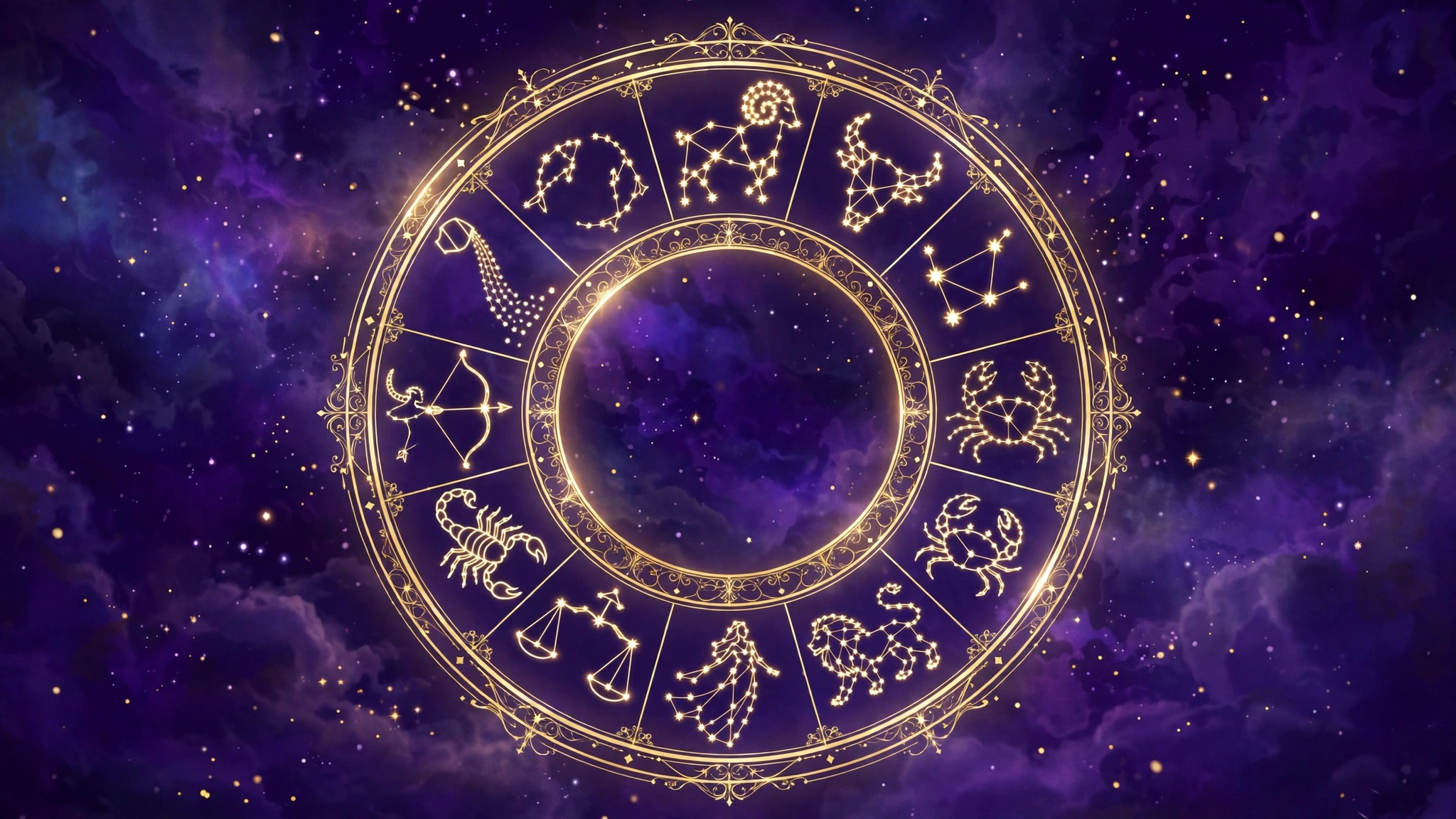
What Is Astrology in Simple Terms
What is astrology? At its simplest, astrology is a symbolic language that connects the positions of the Sun, the Moon, and the planets with patterns in human life. It does not claim that a planet reaches down and controls your choices. Instead, it offers a map of timing, temperament, and tendency, and it invites you to reflect on how those patterns show up in your own experience. People have used this language for thousands of years to make sense of seasons, relationships, work, and personal change, and it remains popular today because it gives ordinary feelings a clear vocabulary.
A beginner can think of astrology as a mirror rather than a machine. A mirror does not decide what you look like. It shows you a reflection you can respond to. In the same way, a chart reading does not hand you a fixed script for your life. It highlights strengths you may be underusing, tensions you may be navigating, and seasons when a particular theme feels louder than usual. You stay in charge of what you do with that information, and that choice is where the real value sits.
How Astrology Works: Signs, Planets, and Houses
The core of astrology rests on three building blocks. The signs describe style. The planets describe energy or function. The houses describe the area of life where that energy shows up. When you put the three together, you get a sentence. For example, Venus in Leo in the seventh house can suggest a warm and expressive approach to partnership. Change one part of that sentence and the meaning changes, which is why a full chart tells a much richer story than a single sun sign alone.
The twelve signs run through the zodiac in a fixed order, from Aries to Pisces, and each one carries a distinct tone. Aries brings directness and initiative. Taurus brings steadiness and care for comfort. Gemini brings curiosity and conversation. Cancer brings protection and emotional memory. Leo brings warmth and creative pride. Virgo brings order and useful detail. Libra brings fairness and connection. Scorpio brings depth and focus. Sagittarius brings exploration and honest optimism. Capricorn brings structure and long-term purpose. Aquarius brings original thinking and community concern. Pisces brings imagination and compassion. No sign is better than another. Each one has a gift and a blind spot, and each one learns by meeting the others.
The planets add the second layer. The Sun points to core identity and direction. The Moon points to emotional needs and comfort. Mercury points to thinking and communication. Venus points to love, pleasure, and values. Mars points to drive and desire. Jupiter points to growth and meaning. Saturn points to discipline and responsibility. Uranus, Neptune, and Pluto point to slower generational themes around change, dreams, and transformation. The houses add the third layer, covering areas such as identity, money, home, partnership, travel, career, and rest. A planet in the tenth house may show up strongly in career, while the same planet in the fourth house may show up more at home.
The Birth Chart: Your Personal Map
Your personal chart records the heavens as they stood at the precise time and place of your birth. It notes the sign each planet occupied, the sign climbing above the eastern horizon at that hour, and the way the twelve houses sat around the circle. Because the heavens shift within minutes, two people who share a birthday can still hold unlike rising signs and unlike house placements, which is why their charts can read quite differently even with one sun sign in common.
A birth chart is not a verdict. It is a starting map with many possible routes. One placement can express itself through more than one pattern, while the choices you make, your culture, family, and life history shape the form it takes. A chart may suggest a talent for teaching, for example, and that talent could grow into classroom work, mentoring, writing, coaching, or simply being the person friends turn to for clear advice. The chart points to the energy. You decide the form it takes. When you first open a chart, begin with the Sun, the Moon, and the ascendant, then bring in Mercury, Venus, and Mars. If you want a fuller introduction, read our guide on what a birth chart is and how to read yours.
The Twelve Zodiac Signs at a Glance
The zodiac is a circle of twelve signs, and each sign covers roughly a month of the year. The sign dates most people use come from the tropical zodiac, which is tied to the seasons. Because the exact start and end of a sign can shift slightly from year to year, a person born near a boundary may need an exact birth time and a chart calculation to confirm their Sun sign.
Fire signs are Aries, Leo, and Sagittarius, and they tend to lead with energy, courage, and inspiration. Earth signs are Taurus, Virgo, and Capricorn, and they tend to lead with practicality, patience, and care for what lasts. Air signs are Gemini, Libra, and Aquarius, and they tend to lead with ideas, conversation, and connection. Water signs are Cancer, Scorpio, and Pisces, and they tend to lead with feeling, memory, and intuition. The elements help you see why some people recharge by doing, some by building, some by talking, and some by feeling their way through. Cardinal signs start things, fixed signs hold steady, and mutable signs adapt. For the full date list, see zodiac signs dates and traits for all twelve signs.
Astrology in Love, Work, and Daily Life
For love, astrology works best when it helps you name needs and styles in plain words. One person may show love through steady presence, while another shows it through words, adventure, or practical help. A chart can help you name those differences without turning them into blame. It can also help you notice timing, such as a period when partnership feels more intense, or a season when you need more space to think. Used kindly, it supports honest conversation. Used as a scorecard, it creates pressure, so keep the focus on understanding rather than judging.
In work, astrology can help you name your natural strengths and working style. Some people do their best work in short bursts with variety, while others prefer a clear plan and time to finish one task properly. No chart can pick a job for you, and no chart stands in for skill, training, or experience. What it can do is show you which settings draw out your strongest work. In daily life, a new moon can prompt a simple intention, a full moon can prompt reflection on what feels complete, and a Mercury retrograde period can prompt a slower pace and a double check of plans.
Common Misunderstandings About Astrology
One common misunderstanding is that astrology only means your sun sign. Your sun sign matters, because it describes a core part of your identity, but it is only one piece of a much larger chart. Your moon sign shapes your emotional life, your rising sign shapes your first impression and approach, and your Mercury, Venus, and Mars shape how you think, love, and act. That is why two people with the same sun sign can feel very different, and why a daily horoscope based only on the Sun can feel vague or only partly right.
Another misunderstanding is that astrology removes free will. A thoughtful reading does the opposite. It names a pattern so you can work with it consciously. If your chart suggests a tendency to avoid conflict, you can practice speaking up earlier and more kindly. If it suggests a tendency to rush, you can practice pausing before you commit. The chart describes a tendency, not a fate. A third misunderstanding is that astrology is only about prediction. Modern astrology is often used for reflection, timing, and self understanding, and a good reading should help you understand the present more clearly, not make you afraid of the future.
How to Start Learning Astrology Without Feeling Overwhelmed
Start with your own chart, because personal curiosity makes learning stick. Note your Sun sign, your Moon sign, and your rising sign, and spend a few days noticing how each one shows up. You might keep a short note on your phone, with one line a day about a moment when you felt more like your Sun, your Moon, or your rising sign. Over a week or two, a pattern will start to appear, and the three placements will stop feeling abstract. Next, learn the planets in order of personal relevance. The Sun, Moon, Mercury, Venus, and Mars affect daily life most directly, so they are the best place to begin. Jupiter and Saturn describe longer cycles, and Uranus, Neptune, and Pluto move slowly and describe generational themes, so you can leave them until later. Choose one reliable source, test its ideas against your own experience, and talk about what you learn with people you trust.
Where to Go Next in This Astrology Guide
This pilot is a connected set of beginner guides. For dates and traits, start with zodiac signs dates. If you want to understand your full chart, read what a birth chart is. If you want to know the sign that was rising when you were born, read what your rising sign is and how to find it. To weigh the three most personal placements side by side, read how the sun, moon, and rising signs compare. If you want to focus on feelings and emotional needs, read what your moon sign is. For relationships, explore zodiac compatibility, then look at Aries and Scorpio compatibility. For timing, read Mercury retrograde meaning, check the Mercury retrograde 2026 dates, and keep the Mercury retrograde survival guide nearby. For Venus cycles, read Venus retrograde meaning. For longer life cycles, read Saturn return meaning. For the Moon, houses, planets, and elements, explore moon phases explained, full moon meaning, new moon meaning, the twelve astrology houses, planets in astrology, and the four elements in astrology. To learn what happens when a planet appears to move backward, read what retrograde means. For love timing through the year, see our 2027 love horoscope. For recent sky events, see Mercury retrograde in October 2026, Venus retrograde in October 2026, and signs from the universe.
A Calm Way to Use Astrology
The best way to use astrology is slowly and kindly. Let it help you name what you already feel, notice patterns you may have missed, and choose your next step with more clarity. Let it support better conversations and more honest reflection. Do not let it shrink your choices or replace your own judgment. If a reading leaves a question you would like to explore with another person, a live advisor can help you put it into plain words together. First 3 minutes FREE — every time, for every reading, with all advisors.
As a gentle next step, draw one tarot card and weigh its message against the chart ideas you have just read.
Our guide to Vedic Astrology Meaning: Sidereal Charts Explained explains it in plain language, with examples you can follow.
Our guide to What Is Divination? Methods and Meanings brings the topic together in one clear, complete guide.
Frequently Asked Questions
What is astrology in simple terms?
Astrology is a symbolic language that joins the placements of the Sun, Moon, and planets with themes in character, bonds, and timing. It works best as an aid for quiet reflection and self knowledge, not as a fixed forecast about your future.
Is astrology the same as a horoscope?
A horoscope is a short forecast based on your sun sign, while astrology is the larger system behind it. A full birth chart includes the Moon, rising sign, planets, and houses, so it gives a much more detailed picture than a daily horoscope alone.
Do I need my birth time to learn astrology?
You can learn a lot from your sun sign alone, but an exact birth time is needed for an accurate rising sign and house placements. Without a birth time, the Moon sign can also be less certain on days when the Moon changes sign.
Can astrology predict what happens in my love life?
In love, astrology can bring themes, needs, and timing into focus, and it can help you grasp a partner more clearly. It cannot guarantee a set outcome, and the choices you make and the way you talk still shape how a relationship develops.
How do I start reading my own birth chart?
Begin with the Sun, Moon, and ascendant, then bring in Mercury, Venus, and Mars. Watch which houses carry the heaviest cluster of planets, and keep brief notes across several weeks on the ways those placements appear in ordinary days.
Last updated: November 11, 2026
