
Centipede Dream Meaning: Patience in Small Steps
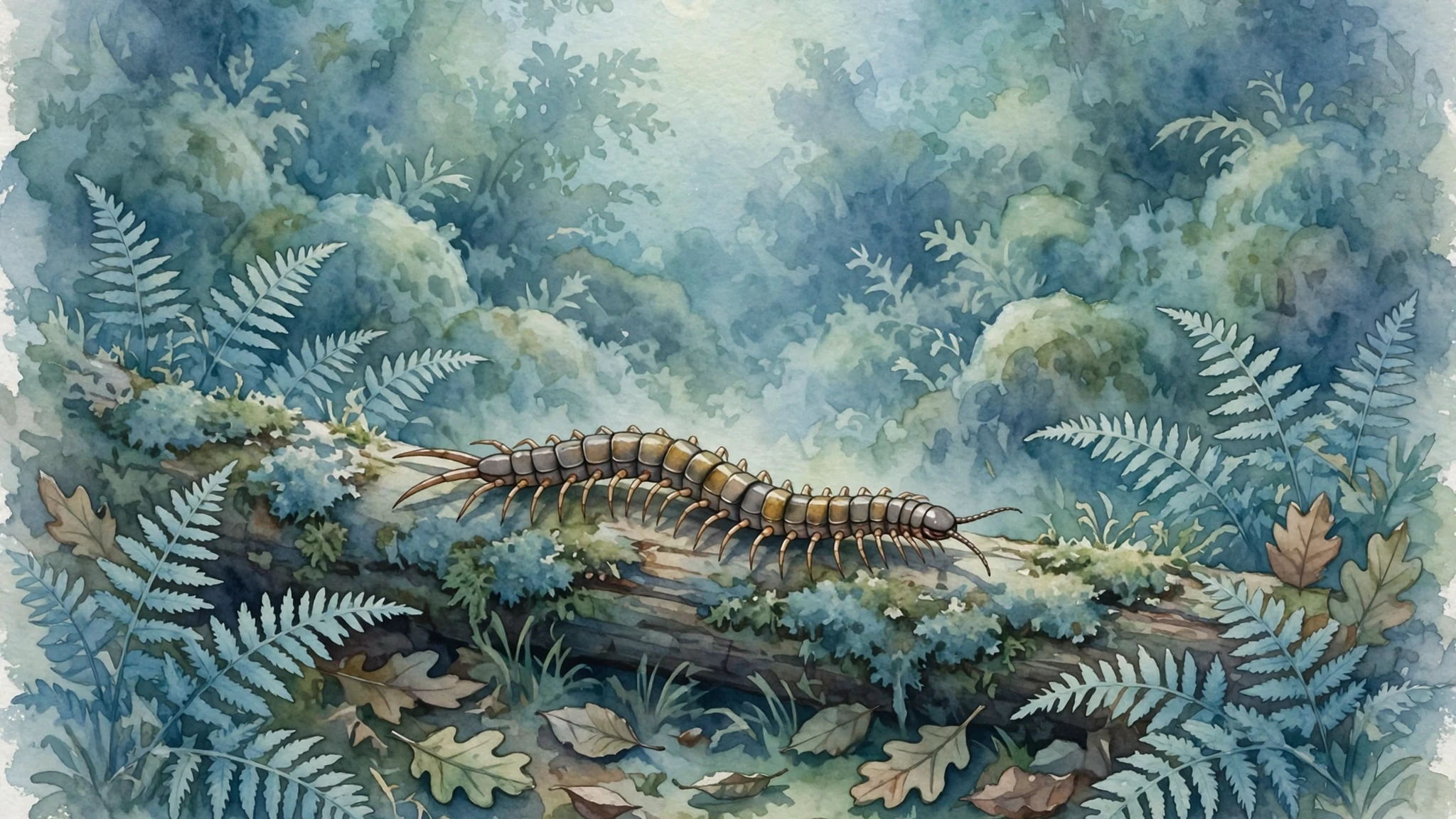
A Centipede Dream Starts With the Pace, Not the Creature
Centipede dream meaning centers on patience in small steps: the picture that arrives when progress feels slow, tangled, or hard to see. The creature itself does the explaining. A centipede crosses a floor on dozens of legs, each one taking a tiny step, and the whole animal moves forward steadily without hurry or fuss. Hold that image beside a part of your life that is moving the same way, a course, a saving habit, a recovery, a project with many small pieces, and the dream starts to make sense. The wider family of dream readings lives on the dream meanings hub; the rest of this page stays with the centipede and what its slow walk is saying about your pace.
A centipede dream never tells you what will happen next. It shows you how you already feel about the pace you are on. Pay attention to how the dream felt when you woke, because that feeling is usually the honest report. Calm during the dream often means the slow pace is fine and only your impatience is complaining. A crawling anxiety in the dream often means the worry is not really about speed at all, but about whether the small steps are adding up to anything. When you wake, ask which one it was. The answer points at the real question: is the pace the problem, or is the problem that you have stopped measuring the ground you have already covered?
Fifteen Pairs of Legs, One Direction
A house centipede has 15 pairs of legs, and the first pair is modified into venom claws used to catch prey, though house centipedes rarely bite people and are not considered dangerous to humans. That is a creature built for small, repeated actions: one pair of legs per body segment, each segment doing its small job, the legs rippling in waves so the animal keeps moving without any single dramatic push. Millipedes look similar at a glance but carry two pairs of legs on most segments, which is the quickest way to tell the two apart. Centipedes are fast, nocturnal hunters that live in damp, dark places and eat insects and other small creatures, so the animal in your dream is a skilled hunter of pests, not a monster. The biology matters for the reading, because the dream borrows a real animal and its real habits. Many small parts, working in sequence, adding up to real movement: that is what a centipede is, and that is what a slow season of your life looks like from the inside, when you cannot see the whole journey at once.
The same biology explains the second half of the dream, the worry with many legs. One concern can sprout new worries the longer you stare at it, each one small and each one real, until the whole thing feels overwhelming. The centipede gives you a way to handle that. Separate the legs. Name each small worry on its own line, in plain words, and deal with the first one today. A worry counted is a worry that can be worked with, and a list of small worries is always less frightening than a shapeless creature with endless legs. There is no single head to cut off, but there is also no single threat, only many small things, and many small things can be handled one by one.
Four Centipede Scenes and What Each One Suggests
A centipede crawling slowly across a floor points to progress that is real but hard to notice. It often shows up when you are working steadily on something, a skill, a saving habit, a recovery, and the feeling says nothing is changing. The slow crawl is the correction: change is happening at the pace of one leg at a time. Measure over months instead of days, and write down what has actually changed. A list made honestly usually shows more growth than the feeling suggested, and the measuring itself often brings back the calm that impatience took away.
A centipede that seems to grow more legs as you watch points to a worry multiplying. This scene usually appears when a single problem keeps sprouting new complications, and each new leg feels like a new thing to fear. Stop counting legs and start naming them. Write each separate worry down, in plain words, and take the first one on the list. A worry named can be worked with. A worry only felt keeps growing legs in the dark.
A centipede under a stone or in a dark corner points to something small you have been avoiding. A minor task, a message, an awkward decision, left in the dark, grows larger in your mind than it is in reality. Lift the stone today: send the message, do the small thing, make the decision, and notice how much smaller it feels in daylight. A centipede in the dark is a worry. A centipede seen clearly is a creature, and creatures can be handled.
A centipede crossing a ceiling or a wall above your head points to progress happening somewhere you are not looking. You may see this one when the work is going on in a part of your life you have stopped checking, a side project, a friendship, a habit you set up months ago and forgot. The dream invites you to look up, literally and otherwise, and check the quiet corners. Often something has been moving along nicely without your attention, and noticing it is enough to change how the whole season feels.
An Illustrative Example: Alice and the Long Project
This example is illustrative, not a real person's story.
Alice, a 34 year old teacher, had been working on a part time degree for three years, one evening class at a time, and she felt as if she would never finish. Each module took months, each essay took weeks, and the end of the course felt further away than the start. One night she dreamed of a centipede crawling slowly across her kitchen floor, leg by leg, unhurried and unstoppable, and she woke feeling strangely calm. She counted her progress honestly for the first time: nine modules finished, three to go, and a dissertation that was already half planned. The centipede had shown her the truth: she was not stuck, she was moving at the centipede's pace, and the pace was enough. She finished the degree the following year, and at the graduation she thought of the dream, and of how many small steps it had taken to get there.
A Week of Small Steps: Putting the Dream to Work
Start by naming the slow situation. Write down one thing in your life that is moving leg by leg, then write down what has actually changed in the last three months. Dates and numbers, not feelings. A pace that is steady is not a failure, and an honest list usually shows more growth than the feeling suggested. Next, name the small worries separately, one line each, and deal with the first one on the list today. A list of small worries is always less frightening than a shapeless creature with endless legs. Finally, lift one stone: do the small avoided thing, send the message, make the decision, and notice how much smaller it feels in daylight. A centipede never hurries, yet it always arrives, because each small leg does its small job without drama or delay. Your own progress works the same way: the steps feel tiny in the moment, but they add up over weeks and months into a distance you can measure, and the measuring itself often brings the calm that impatience took away.
When the Centipede Keeps Coming Back
A centipede dream that repeats over weeks usually means the slow situation is still the main story of your life, not that the dream has a new message each time. Repetition is the dream's way of tapping the same shoulder. When it returns, check what has changed since the last one: count the legs again, honestly, and see whether the list of small steps has grown shorter or the list of small worries has grown longer. If the steps have grown, the dream is confirming progress you have not celebrated yet. If the worries have grown, the dream is asking for the list again, one line at a time, until the creature shrinks back to its real size.
Centipede, Bee, Crow and Fish: Four Small Creatures, Four Different Notes
Set beside the bee dream meaning, the centipede reads differently: a bee points to work done together in a hive, while the centipede walks alone, leg by leg, and asks you to trust a pace nobody else can see. The crow dream meaning turns toward messages and omens, a different theme entirely, and the fish dream meaning turns toward feelings below the surface. The dream meanings hub gathers every reading in one place, so you can set the centipede beside the bee, the crow, and the fish and see which one fits the week you are in. A dream picture works more like a mirror than a forecast: it shows you the feeling you brought to it, and the same creature can look different on two different nights.
A second view can help when the feeling is hard to pin down. When the feeling is hard to pin down, say the dream out loud to someone who will listen properly, a reader or a friend you trust. A reading can help you sort which slow progress is worth trusting and which small worry deserves the first line on the list. First 3 minutes FREE — every time, for every reading, with all advisors.
One small next step, if you want it: draw a One-Card Tarot reading and see what a single card says about patience and steady progress in your life right now.
Frequently Asked Questions
What does dreaming of a centipede mean?
It usually points to patience in small steps. A situation is moving forward leg by leg, even if progress is hard to see, and the dream asks you to trust the steady pace rather than forcing it.
Is dreaming of a centipede a bad sign?
Not necessarily. It can point to a worry multiplying, but the message is practical: name each small worry separately and handle one at a time, which usually makes the whole thing feel smaller.
What does a centipede crawling slowly in a dream mean?
It often points to real but hard to notice progress. Measuring change over months rather than days, and writing down what has actually changed, usually shows more growth than the feeling suggested.
What does a centipede under a stone in a dream mean?
It often points to something small you have been avoiding. Doing the small thing today, in daylight, usually shows it was smaller than it felt in the dark.
Are centipedes dangerous?
House centipedes have venom claws for hunting insects but rarely bite people and are not considered dangerous to humans. In a dream, the centipede is a symbol of slow progress, not a threat.
Last updated: November 12, 2026
