
Hierophant and Death Tarot Combination
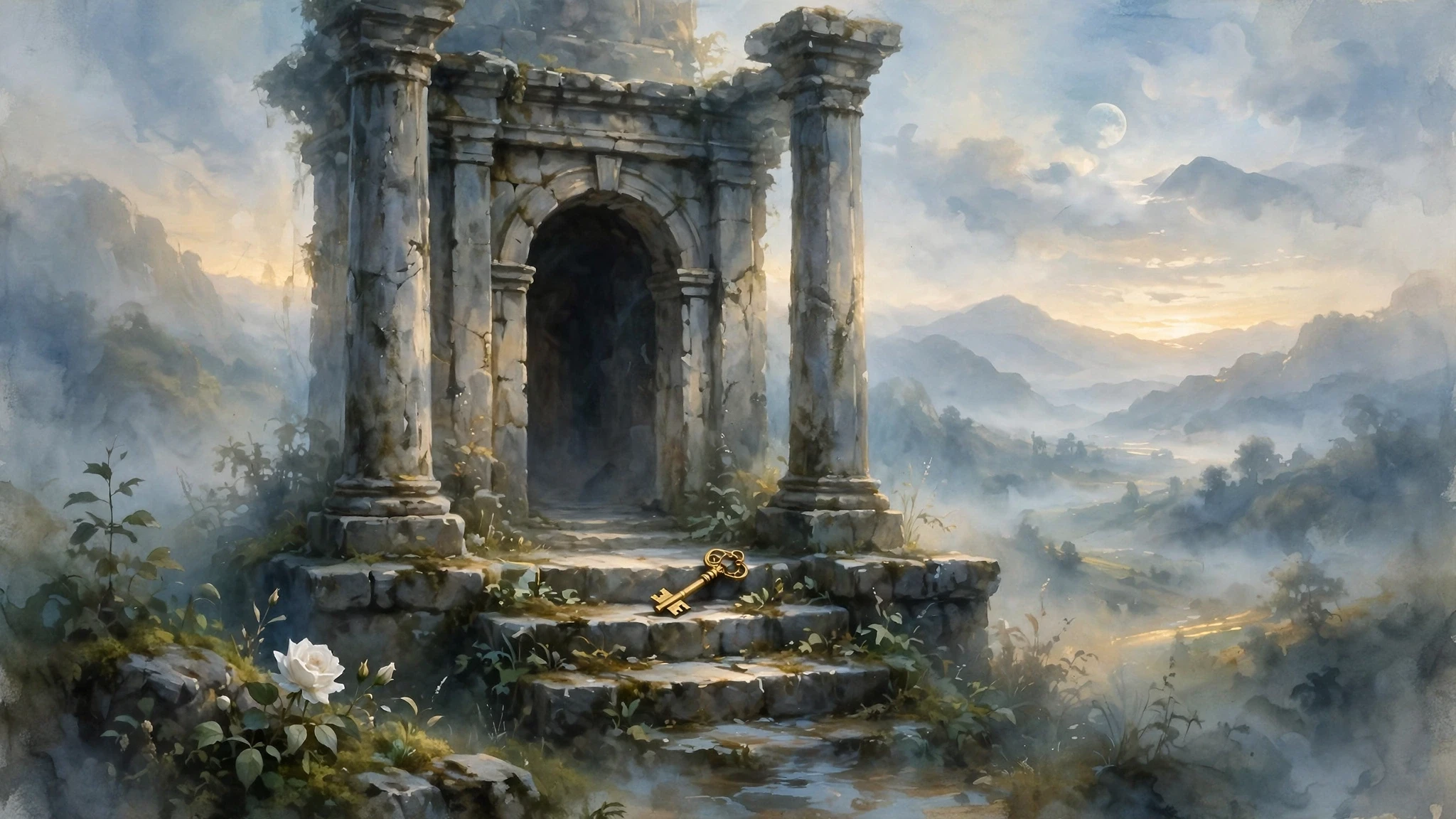
When Tradition Meets an Ending
The hierophant and death tarot combination is a pair about change at the level of belief. The Hierophant is tradition: the institution, the teaching, the ceremony, the way things have always been done. Death is ending and transformation: the card that closes a chapter so a new one can begin, shown as a skeletal rider carrying a banner with a white rose. When they appear together, the reading usually describes a belief, a role, or a way of life that has run its course, and the question is whether the reader will let it end with dignity or keep it alive past its time. This pair shows up around leaving a faith tradition, changing a career that was chosen for family reasons, ending a marriage that followed a familiar script, or outgrowing a set of rules that once gave comfort. It is a serious pair, and it deserves a serious reading, but it is not a frightening one. Death in tarot almost never means physical death, and this page is clear about that from the start. The pair is about transformation, and its message is that an ending can be handled with respect for what came before.
The Hierophant and the Weight of Tradition
The Hierophant is card five of the major arcana, and its image is a robed figure seated between two pillars, blessing two kneeling figures, with crossed keys at his feet. He represents tradition, institutions, formal teaching, ceremony, and the wisdom passed down through a community. In this combination, The Hierophant supplies the structure that is ending: the church, the school, the company, the family expectation, the set of rules that shaped the reader's life. In his generous form, he is a genuine source of guidance, offering rituals that mark life's passages and a community that holds people through hard times. He also represents the reader's own respect for what came before, which is real and worth honoring. His shadow is the subject of this pair. Tradition can become rigidity, where the rules matter more than the people they were made to serve, and where questioning is treated as disloyalty. The Hierophant can also represent the voice of the group, the family, or the institution, speaking louder than the reader's own conscience. Death corrects that by asking whether the tradition still serves the living person in front of it, and whether the time has come to let a particular form end, even while keeping the values it taught.
Death and the Ending That Makes Room
Death is card thirteen of the major arcana, and its image is a rider in black armor on a white horse, carrying a black banner with a white rose. A king lies fallen, a child looks up without fear, and a priest stands in prayer, while the sun rises between two towers in the distance. The card represents ending, transformation, and the clearing that makes new growth possible. In this pair, Death contributes the ending itself, and the reassurance that endings are part of a cycle rather than a failure. It describes a role ending, a belief changing, a marriage closing, a career chapter finishing, or a way of seeing the world giving way to a new one. It also contributes the idea that an ending can be handled well, with a ceremony, a conversation, or a clear goodbye, rather than with a sudden break or a slow fade. Death's shadow is the ending that is feared so much it is postponed until it becomes messier than it needed to be. The Hierophant corrects that by offering a form for the ending: a ritual, a meeting, a letter, a final visit, a way to mark the close with respect. The pair works when the ending is given the dignity of a proper farewell, and the reader can name what is ending and what will be carried forward.
How the Pair Reads as One Message
Read together, the two cards describe a transformation of belief or belonging. A practical question to carry is: what tradition, role, or rule has finished its work in my life, and what part of it do I want to keep? The second half of that question matters, because this pair is not about rejecting everything that came before. A person can leave an institution and keep its values, can end a marriage and keep the lessons, can change a career and keep the skills. The order of the cards adds meaning. If The Hierophant comes first, the reading leans toward a tradition or institution that is now ending, with the transformation following. If Death comes first, the reading leans toward a change that is already underway, with the question of tradition and belonging still to be settled, such as what community or practice will replace the old one. Reversals shift the picture. A reversed Hierophant with upright Death can describe a break from tradition that is already happening, where the ending is clear but the reader is still working out what they believe. A reversed Death with an upright Hierophant can describe an ending that is being resisted, where tradition is holding a finished chapter open, and the advice is to name the ending honestly and to plan a respectful close. When both cards are reversed, the reading often describes a stuck transition, where neither the old form nor the new one has taken shape, and the honest response is to talk with someone trusted and to take one small step toward clarity. The pair never predicts a physical death. It describes a change of form, and it treats that change with respect.
Love, Marriage, and the End of a Familiar Script
In love, the hierophant and death tarot combination often appears where a relationship has followed a traditional script, such as a marriage, an engagement, or a long-term commitment shaped by family or faith, and that script has stopped fitting. The Hierophant holds the form: the vows, the ceremony, the expectations, the community that witnessed the promise. Death holds the change: the recognition that the relationship has ended or must change its form, even though the form was once chosen with love. For a single person, the pair can describe outgrowing an old idea about love, such as a belief about who they should marry or when they should settle down, and it suggests that letting that idea go is part of growing. For a couple, the pair can describe a marriage or partnership that is ending, and it invites a closing handled with honesty and care, especially where children or shared family are involved. It can also describe a relationship that is not ending but transforming, such as a couple whose roles change after children leave home, or whose beliefs change together. The pair favors a conversation over a silent drift, and it favors respect for what the relationship was, even when it is ending. The decision stays with the reader. What the pair names is the work of ending well.
Work, Faith, and Changing What You Believe
At work, this pair often describes a career that was chosen for tradition or family reasons, such as a family business, a profession expected by parents, or a role in an institution, and that no longer fits. The Hierophant covers the institution and its expectations, while Death covers the change, whether that is leaving, retraining, or reshaping the role into something new. Together they describe a professional transformation that is also personal, because the work was tied to identity and belonging. The pair also fits changes of faith or belief, where a person leaves a religious tradition, changes their practice, or rethinks a set of values they were raised with. That change deserves care, because it touches family, community, and identity, and the pair suggests handling it with honesty and respect rather than with a sudden break. In money, the pair can describe the end of a financial arrangement tied to tradition, such as a family business or a long-term contract, and it suggests a clear, fair closing. Financial decisions need a qualified adviser, not a tarot card. The pattern described here is the useful part: an old form ends, something of value is carried forward, and a new form begins. For students, the pair can describe leaving a field of study that was chosen for others and choosing one that fits, which is a transformation of belief about who they are.
An Illustrative Example: Omar and the Family Business
This example is illustrative, not a real person's story.
Omar, a 36 year old accountant, had worked in his family's import business since he left school. The business was The Hierophant in his life: the family name, the Friday meetings, the expectation that he would take over one day. He pulled The Hierophant and Death together during a year when he felt increasingly sure that the business was not his future, and increasingly guilty for thinking so. The pair helped him separate two questions he had been treating as one. The first was whether the business would continue, and the answer was that it could, with his brother. The second was whether he had to be the one to continue it, and the answer was no. He spent six months planning a respectful handover, training his replacement, and talking honestly with his parents, who were upset at first and then, slowly, understanding. He then trained as a financial adviser, work that used his skills in a form that fit him better. The cards did not promise him success in the new work, and the story makes no claim about that. The point is that Omar ended a chapter with care rather than with a sudden break, and he kept the values the business had taught him, such as reliability and hard work, while letting the form go. Readers who meet this pair often need the same separation: between the tradition itself and the question of whether it is theirs to carry.
Rituals, Closure, and Reading the Pair in a Spread
Closure is the practical heart of this pair, and The Hierophant offers the tools for it. A ritual does not need to be grand. It can be a letter written and not sent, a final meeting, a meal with the people involved, a visit to a place that matters, or a quiet hour to mark the end. The point of the ritual is to give the ending a shape, so the reader does not carry it as unfinished business. In a spread, the card beside the pair shows where the transformation lives. A Pentacles card close by grounds the pair in work, money, or a practical arrangement that is ending. A Cups card close by colors the pair with love, family, or an emotional chapter. A Swords card close by brings in a belief or a decision that is changing. A Wands card close by steers the reading toward creative work or ambition that is taking a new form. In the advice position, the pair usually asks the reader to name the ending, honor what came before, and plan a respectful close. In the outcome position, it suggests the situation will resolve through a transformation that is already underway, and the reader's task is to meet it with honesty. Keep a short note of what you want to carry forward from the chapter that is ending, because that list is the bridge to the next one. Readers learning how to read tarot cards can study other tarot card combinations to see how endings differ from pair to pair.
If you are facing a change of belief or belonging and want help thinking it through, a live reading can talk it over with you. For another pair about control and its costs, see the Emperor and Devil combination. First 3 minutes FREE — every time, for every reading, with all advisors.
For a simple next step, try a One-Card Tarot reading and ask whether the card you pull points to something that is ending or something that is ready to begin.
Frequently Asked Questions
What does the hierophant and death tarot combination mean overall?
It means a tradition, role, or belief is ending and transforming. The Hierophant brings the institution or teaching, and Death brings the ending, so the pair often describes outgrowing a familiar form while keeping the values it taught.
Does Death in this pair mean physical death?
No. In tarot, Death almost never means physical death. In this pair it means ending and transformation, such as a role ending, a belief changing, or a chapter of life closing so a new one can begin.
What do the Hierophant and Death mean for a traditional relationship that no longer fits?
In love it often describes a relationship that followed a traditional script, such as a marriage, and that has stopped fitting. It favors an honest, respectful ending or a clear transformation of the relationship, rather than a slow drift.
What if Death is reversed in this pair?
A reversed Death beside an upright Hierophant often points to an ending being resisted, where tradition is holding a finished chapter open. The advice is to name the ending honestly and to plan a respectful close.
What if The Hierophant is reversed in this pair?
A reversed Hierophant beside an upright Death often points to a break from tradition that is already happening. The ending is clear, and the reader is still working out what they believe and what community or practice will come next.
Last updated: November 12, 2026
