
Emperor and Devil Tarot Combination
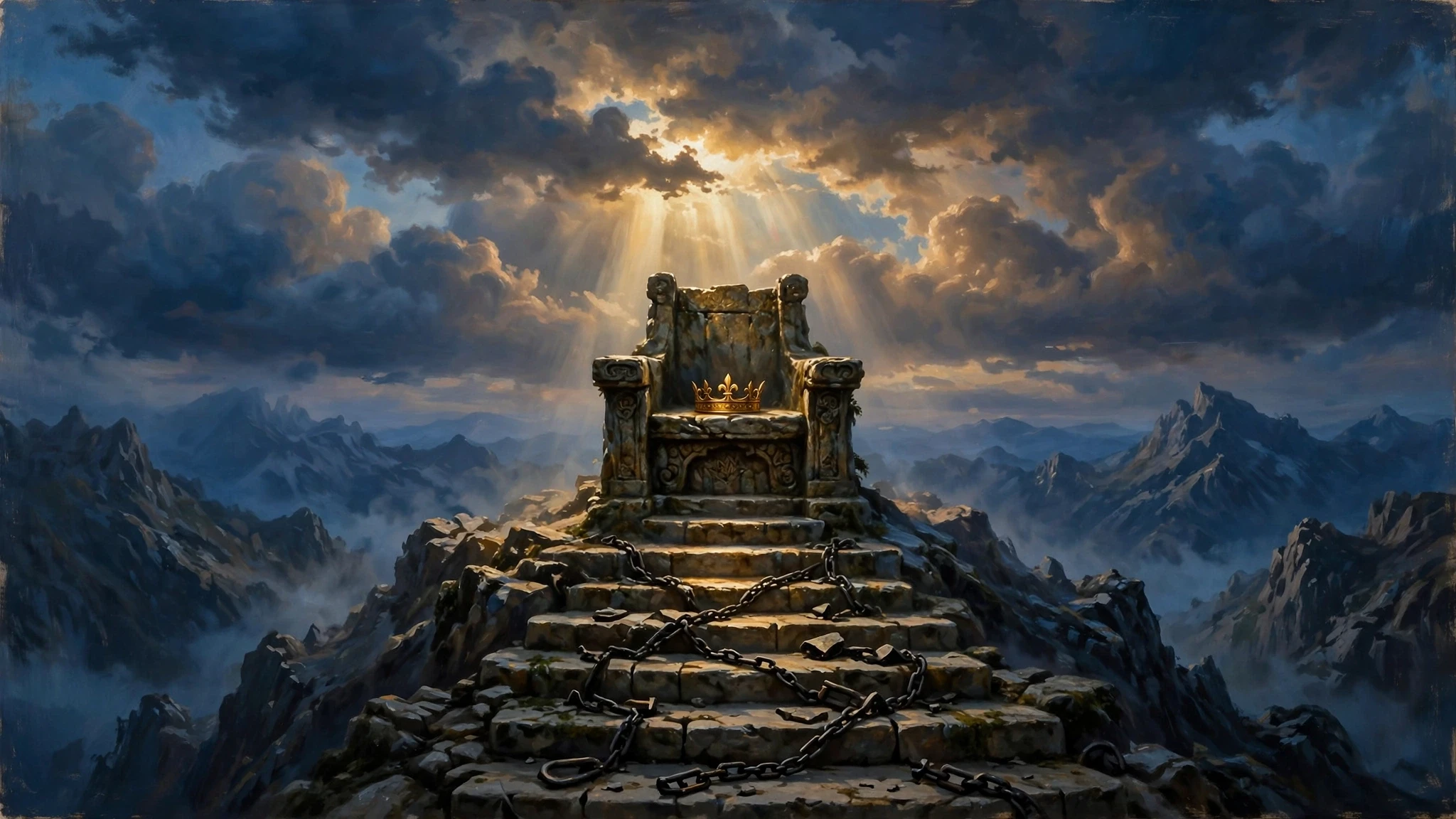
Structure, Control, and the Chains You Can See
The emperor and devil tarot combination is the most direct pair in this batch about power, and it is also the one that most needs a careful reading. The Emperor is structure: rules, order, authority, and the ability to build something that lasts. The Devil is attachment: the habits, fears, and bargains that keep a person tied to something they know is not good for them. When they appear together, the reading usually describes a situation where control has become the problem, or where a structure that once protected a person has become a cage. This pair shows up around controlling relationships, rigid workplaces, debt, addiction patterns, and any situation where a person feels both powerful and trapped at the same time. This page explains what each card contributes, how the pair reads in love, work, and personal habits, what changes when a card is reversed, and how to use the combination as a prompt for honest reflection. Nothing here diagnoses or treats any condition. Where a reading touches on health or addiction, the honest advice is to speak to a qualified professional, and this page says so plainly.
The Emperor and the Architecture of Order
The Emperor is card four of the major arcana, and his image is a seated figure in armor, holding an orb and a scepter, with mountains behind him. He represents authority, structure, discipline, and the ability to lead and to protect. In this combination, The Emperor supplies the framework: the rules, the routine, the hierarchy, the plan, the boundaries that make life workable. He can be the steady boss, the reliable parent, the person who keeps promises and builds systems that outlast a mood. He also represents the reader's own inner authority, the capacity to set a rule for oneself and keep it. His shadow is the subject of this pair. The Emperor can become rigid, controlling, and afraid of losing power, turning order into domination and rules into a way to avoid listening. He can mistake obedience for loyalty, and he can keep a situation locked in place because change feels like weakness. In this pair, The Devil is the card that names what The Emperor's shadow costs. The structure is not the problem on its own. The problem is when the structure serves control rather than the people inside it, and when the person in charge cannot see the difference.
The Devil and the Attachment Beneath the Surface
The Devil is card fifteen of the major arcana, and its image is a horned figure with two chained figures standing below, their chains loose enough to slip off. That detail matters: the chains are not locked, which is the card's central teaching. The Devil represents attachment, obsession, fear, and the bargains people make with things that harm them, such as a habit, a debt, a relationship, or a belief about themselves. In this pair, The Devil contributes honesty about what is holding the reader. It may be a pattern that feels powerful, such as control over a partner or a team, but that is actually a form of dependence. It may be a comfort that has become a cage, such as spending, drinking, overwork, or a relationship that is kept alive by fear of being alone. The Devil's gift, if it can be called one, is that he makes the attachment visible. A person cannot loosen a chain they cannot see, and this card shows the chain. His shadow is shame, and it is worth naming directly: the card does not mean a person is bad, and it does not mean a situation is hopeless. It means something has a hold, and the hold can be examined. Where a pattern involves addiction or a health concern, this page does not offer treatment. It points the reader toward professional help, because that is the honest and safe response.
Reading the Pair as a Question About Power
Read together, the two cards describe power that has become attachment, or attachment that has been given the shape of order. A practical question to carry into the reading is: who benefits from this structure, and who pays for it? If the structure serves everyone in it, The Emperor is doing his proper work. If it serves one person's control at the cost of another person's freedom, The Devil is doing the talking. Another useful question is: what would happen if I loosened one rule, one chain, one habit, for a week? The answer often shows whether the structure is a support or a cage. The order of the cards adds meaning. If The Emperor comes first, the reading leans toward a structure or authority that has become controlling, and the advice is to examine the rules. If The Devil comes first, the reading leans toward an attachment that has built its own structure around itself, such as a habit that now organizes the reader's whole day, and the advice is to examine the attachment. Reversals shift the picture. A reversed Emperor with an upright Devil can describe authority that has collapsed while the attachment remains, leaving a person without structure and still tied to the old pattern. A reversed Devil with an upright Emperor can describe a loosening, where a chain is slipping and structure is returning in a healthier form. When both cards are reversed, the reading often describes a power struggle that is losing its grip, and the honest response is to build one small, healthy routine and to seek support. The pair never predicts a fixed outcome. It names a dynamic and invites the reader to change it.
Love, Control, and the Difference Between Care and Possession
In love, the emperor and devil tarot combination needs the most careful reading in this batch, because it can describe a relationship where care has become control. The Emperor brings the structure of a shared life: the home, the routines, the plans, the protection. The Devil brings the attachment: jealousy, possessiveness, financial control, or the fear of losing the partner that turns into monitoring and pressure. For a single person, the pair can describe a pattern of choosing partners who offer security at the price of freedom, or a fear of being alone that keeps the reader in connections that do not serve them. For a couple, the pair can describe a moment when one partner's need for control is harming the other, and it invites an honest look at whether the relationship is fair and safe. This page gives no relationship counseling, and the choice stays with the reader. It does say this plainly: if a relationship involves fear, threats, or control over money, movement, or contact with others, that is a serious matter, and the reader deserves support from a trusted person or a professional service. The pair can also describe a healthier version of the same theme, where a couple builds a strong structure together and then notices a habit, such as work taking over every evening, that needs loosening. In every case, the pair asks whether the structure serves both partners, and whether either partner is free to say no.
Work, Money, and Structures That Have Outlived Their Use
At work, this pair often describes a workplace, a boss, or a system that is rigid and draining. The Emperor covers the hierarchy, the rules, and the expectations. The Devil covers the attachment that keeps the reader there: the salary, the status, the fear of starting over, or the belief that no other job will come. Together they describe a golden cage, a situation that looks secure from the outside and feels constricting from the inside. The pair can also describe the reader's own pattern at work, such as overwork that has become an identity, or a need to control every detail that exhausts the team. In money, the pair can describe debt, overspending, or a financial arrangement that has become a burden, where the structure of payments and obligations keeps the reader tied to a situation they would rather leave. A tarot page cannot advise on money, and this one does not. The pattern is the part worth keeping: a structure that once helped can become a chain, and naming it is the first step toward changing it. For people in leadership, the pair is a useful mirror. It asks whether the rules they set serve the team or only their own comfort, and whether the team's loyalty is freely given or bought with fear. A leader who can ask that question honestly is already loosening the chain.
An Illustrative Example: Marcus and the Job He Could Not Leave
This example is illustrative, not a real person's story.
Marcus, a 47 year old warehouse supervisor, had a job with good pay, a pension, and a manager who controlled every shift change, every holiday request, and every conversation in the break room. He pulled The Emperor and The Devil together while deciding whether to apply for a role at another company. The Emperor matched the structure he knew: the pay, the routine, the seniority he had built over twelve years. The Devil matched the hold it had on him: he had stopped applying for other roles years earlier, he told himself no one else would pay as well, and he had begun to check his phone for messages from his manager even on days off. The pair did not tell him to quit. It helped him ask a smaller question: what would happen if he loosened one chain? He applied for one role, quietly, and he went to one interview. He did not get the job, and the example does not pretend otherwise. What changed was the feeling of the cage. He had tested the lock and found it was not as tight as he had believed, and he began to look at his options with clearer eyes. Readers who meet this pair often need the same move: not a dramatic escape, but one small test of whether the chain is as fixed as it feels.
Habits, Freedom, and Reading the Pair in a Spread
Habits are where this pair does its quietest work. The Devil often describes a habit that has become a structure: the evening drink, the late night spending, the phone checked a hundred times a day. The Emperor describes the routine that keeps the habit in place. The combination suggests changing the structure rather than fighting the habit with willpower alone, because willpower is The Emperor's tool and it has limits. A practical step is to change one small part of the routine, such as the time, the place, or the trigger, and to notice what happens. Where a habit involves addiction or a health concern, the honest step is professional support, and this page repeats that because it matters. In a spread, the card beside the pair shows where the control or attachment lives. A Pentacles card nearby turns the reading toward work, money, or property. A Cups card nearby shifts the focus to love or family, where the attachment is emotional. A Swords card nearby raises questions of a belief or a mental pattern that keeps the reader tied. A Wands card nearby pushes the energy toward ambition or creative work, where control has replaced joy. If the pair lands in the advice position, it usually suggests examine one rule or one attachment and to test whether it can be loosened. If it lands in the outcome position, the reading suggests the situation will turn on whether the reader can see the chain and choose a freer structure. Keep a short note of what you notice, because naming the pattern is the first step toward changing it. Those learning how to read tarot cards can compare this pair with other tarot card combinations to see how power shows up in gentler pairings.
If this pair has raised something difficult in your own life, a live reading can help you talk it through, and a trusted professional can help where the matter needs more than a reading. For another pair about endings, see the Hierophant and Death combination. First 3 minutes FREE — every time, for every reading, with all advisors.
If you want to test this, try a One-Card Tarot reading and ask whether the card you pull points to a structure that protects you or a chain that needs loosening.
Frequently Asked Questions
What does the emperor and devil tarot combination mean overall?
It means structure and control meeting attachment. The Emperor brings order, authority, and rules, and The Devil brings the habits, fears, or bargains that keep a person tied to something, so the pair often describes a structure that has become a cage.
Is this pair always a bad sign?
No, it is not always a bad sign. It can describe a useful warning, a pattern becoming visible, or the start of loosening a hold. The pair names a dynamic rather than passing a verdict, and its value is in the honest reflection it prompts.
What does this combination mean in love?
In love it can describe care that has become control, such as jealousy, possessiveness, or financial control. It invites an honest look at whether the relationship is fair and safe, and it favors a conversation or support from a trusted person where control is causing harm.
What if The Devil is reversed in this pair?
A reversed Devil beside an upright Emperor often points to a loosening, where a chain is slipping and structure is returning in a healthier form. It can describe a habit weakening, a fear losing its grip, or a person beginning to choose more freely.
What if The Emperor is reversed in this pair?
A reversed Emperor beside an upright Devil often points to authority that has collapsed while the attachment remains. The reader may feel without structure yet still tied to the old pattern, and the advice is to build one small, healthy routine and seek support.
Last updated: November 12, 2026
