
How to Choose a Crystal: A Beginner Friendly Guide
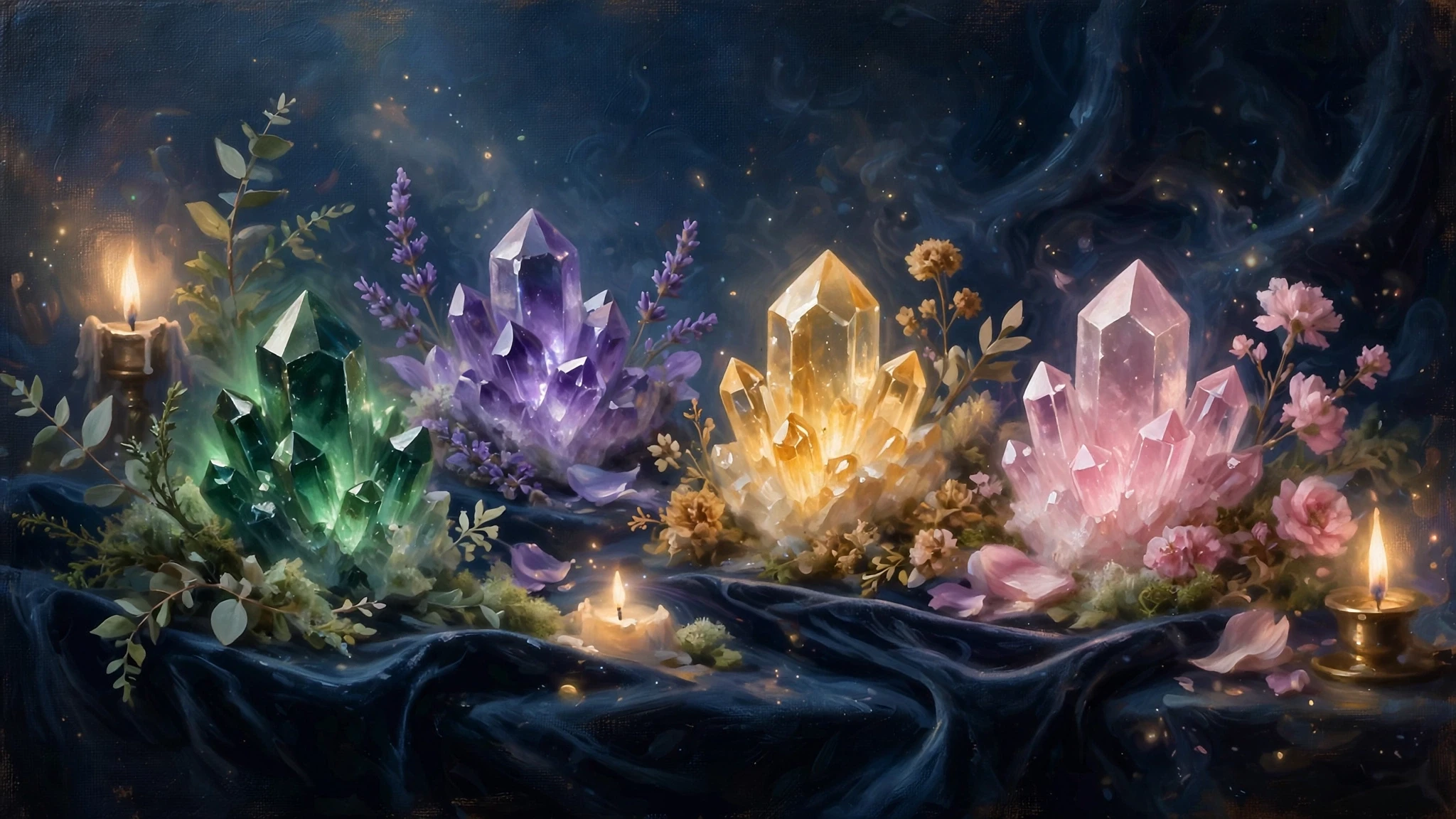
How to Choose a Crystal: Start With What Draws You
Learning how to choose a crystal is simpler than the shelves of a crystal shop make it look. You do not need to know every stone, and you do not need to spend a lot of money. A good first crystal is one that catches your eye, feels pleasant in your hand, and fits the purpose you have in mind, whether that is a calm bedside companion, a focus for meditation, or a small reminder to carry in your pocket. This page walks through the choice step by step: the main stones a beginner meets first, how to tell a real stone from a fake one, what to check before you buy, how to care for your crystal, and the mistakes that waste money. It also says plainly what crystals do not do. There is no scientific evidence that crystals heal illness, attract money, or change the future, and this page does not claim otherwise. What crystals do offer is real and worth naming: beauty, a focus for attention, a ritual object that marks a moment of calm, and a small daily reminder of an intention you have set. That is enough to make the choice worth doing well. Start with one stone, learn it properly, and add others only when you know why you want them.
The First Five Stones Most Beginners Meet
Most beginners meet the same small group of stones first, and each one is a good starting point for a different reason. Clear quartz is the plainest and the most versatile. It is colorless quartz, rated 7 on the Mohs hardness scale, which measures how well a mineral resists scratching, and it is used for everything from meditation focus to a simple pocket stone. Clear quartz is a sensible first buy because it is common, affordable, and hard enough to carry daily without scratching easily. Amethyst is the purple variety of quartz, also rated 7 on the Mohs scale, colored by traces of iron in the crystal. It is the stone most people picture when they think of a crystal, and it is often chosen as a bedside stone because its deep purple color feels calm in a bedroom. Read our amethyst meaning page for its full story. Rose quartz is the pink variety of quartz, again rated 7, colored by tiny inclusions that spread a soft pink through the stone. It is the stone most often given as a gift, and it is the one our guide to crystals for heartbreak and letting go recommends for a gentle period of recovery. Black tourmaline is a dark, heavy stone that many people choose when they want something grounding, a stone that feels solid in the hand and suits a desk or a doorway. Our black tourmaline meaning page explains its reputation as a protective stone. Citrine is a yellow to orange variety of quartz, often chosen for a workspace because its warm color feels bright and energizing. These five cover most beginner needs, and one of them is almost always the right first stone. You do not need all five. Choose the one that fits the purpose you have in mind and the color you enjoy looking at every day.
Choose by Purpose, Not by a Long Shopping List
The most useful way to choose a crystal is to start with one clear purpose and let that purpose narrow the shelf. If you want a calmer bedroom, look at amethyst or rose quartz, and choose a piece that fits the bedside table without crowding it. If you want a focus for meditation, look at clear quartz, and choose a smooth tumbled stone that sits comfortably in your palm. If you want a pocket reminder during a stressful week, look at a small tumbled stone in any of the five above, and choose the one whose weight and smoothness you like best. If you want a stone for your desk, look at black tourmaline or citrine, and choose a piece that looks good where you will see it every day. If you are choosing a gift, think about the person, not the stone's reputation: a soft pink stone for a friend going through a hard time, a bright yellow stone for a friend starting something new, a deep purple stone for a friend who loves quiet evenings. Write your purpose down in one sentence before you shop, and take that sentence with you. A shop can be overwhelming, with hundreds of stones, names, and claims, and a single sentence protects you from buying five stones you do not need. It also protects you from the most common beginner mistake, which is buying a stone because a book or a seller said it would fix a problem. A crystal is a focus and a reminder, not a cure, and a purpose written in your own words will keep the choice honest. If you are going through a period of change, our spiritual awakening signs page may help you name what is happening, and a crystal chosen for that moment will mean more than one bought on impulse.
How to Tell a Real Stone From a Fake One
A real crystal shop sells real stones, but fakes are common, especially online, and a few simple checks will save you money. First, look at the price. A small tumbled amethyst or rose quartz should cost a few dollars, not fifty, and a price that seems too low for a rare stone is a warning sign. Second, look at the color. Real amethyst is purple with variation, darker in some places and paler in others, while glass imitations are often a flat, even purple with tiny bubbles inside. Real rose quartz is a soft, milky pink, while dyed glass is often a bright, even pink. Third, feel the temperature. A real stone feels cool when you first pick it up and warms slowly in your hand, while glass warms quickly and plastic feels warm at once. Fourth, look for natural marks. Real stones often have small flaws, cloudy patches, or uneven color, while perfect, flawless stones at a low price are often glass. Fifth, check the hardness where you can. Quartz rates 7 on the Mohs scale, so a quartz stone should not be scratched by a steel nail, which rates around 6.5, although you should not scratch a stone in a shop without permission. Sixth, buy from a seller who names the stone plainly, tells you where it came from if they know, and accepts returns. A seller who cannot name the stone, or who claims a common stone is rare and powerful, is not a seller to trust. If you are buying online, read the reviews, check the return policy, and start with one small, cheap stone to test the seller before you spend more. A real stone, honestly sold, is a pleasure to own. A fake stone, sold with a grand claim, is a disappointment that puts people off crystals for years.
Size, Shape, and Setting: What Actually Matters
Once you have chosen a stone, the size and shape matter more than most beginners expect, because they decide how you will actually use it. A tumbled stone is a small, smooth, rounded piece, usually two to three centimeters long, and it is the best shape for a first crystal. It fits in a pocket, sits in a palm, and survives being carried every day. A raw cluster or point is a stone in its natural shape, often with sharp edges and a rough base, and it suits a shelf, a desk, or a bedside table, where it can be seen and not carried. A carved shape, such as a sphere, a heart, or a small tower, is chosen for its look and its feel, and it suits a person who wants a particular object rather than a general stone. A bracelet or pendant lets you wear the stone, which suits a person who wants a daily reminder they can see. For size, start small. A stone the size of a large grape is enough for a pocket or a palm, and a stone the size of a small apple is enough for a desk. Larger pieces cost much more, are harder to care for, and do not add anything to the practice. For setting, keep it simple. A stone on a bedside table needs no holder. A pocket stone needs no pouch, although a small cloth bag keeps it from scratching keys. A desk stone needs only a clear spot where you will see it. Avoid buying a stone that needs an expensive stand, a special box, or a complicated cleaning routine, because those extras turn a simple practice into a chore. The best crystal is the one you actually pick up, look at, and hold, and that is almost always a small, smooth, affordable piece.
Caring for Your Crystal: Cleaning, Charging, and Storage
A crystal needs very little care, and the care it does need is mostly common sense. Clean a new stone first with warm water and a drop of mild soap, rinse it, and dry it with a soft cloth. Most quartz stones, including amethyst, rose quartz, clear quartz, and citrine, are safe in water, because they rate 7 on the Mohs scale and are not easily damaged. Some stones are softer or more delicate, so check before you soak a stone you do not know, and never use hot water, harsh chemicals, or an ultrasonic cleaner on a stone unless you are sure it is safe. After cleaning, some people like to charge the stone, which usually means placing it in moonlight overnight or in sunlight for a short time. Our guide to charging crystals under the full moon explains the moonlight method in detail. Keep sunlight short for amethyst and rose quartz, because long exposure can fade their color over time. Store your crystal where it will not be scratched by harder objects, and keep softer stones separate from quartz, because quartz at 7 will scratch a softer stone. A small cloth bag or a lined drawer is enough. If you carry a stone daily, rinse it once a week and dry it well. If you keep a stone on a desk, dust it when you dust the desk. That is the whole routine. A crystal does not need weekly rituals, special water, or expensive accessories. It needs a quick clean, a safe place, and regular use. A stone that is handled often and cared for simply will serve you far better than a stone that sits in a box waiting for a perfect ritual that never comes.
Common Mistakes, and How to Choose Well the Second Time
The mistakes beginners make with crystals are the same ones, and knowing them in advance saves money and disappointment. The first mistake is buying too many stones at once. Five stones bought in one afternoon are five stones you have not learned, and they will sit in a drawer while you wonder which one to use. Buy one, live with it for a month, and then decide whether you want a second. The second mistake is buying for a promise rather than a purpose, such as a stone that claims to attract wealth or fix a relationship. A crystal is a focus and a reminder, not a cure, and a purchase driven by a promise usually ends in disappointment. The third mistake is buying a stone because it is popular, rather than because you like it. If you do not enjoy looking at a stone, you will not pick it up, and a stone you do not pick up is a decoration, not a practice. The fourth mistake is paying too much for a common stone. Check the price of a small tumbled amethyst or rose quartz in two or three shops before you buy, and you will quickly learn the fair range. The fifth mistake is treating the stone as a substitute for real help. If you are struggling with sleep, stress, or grief, a crystal can be a comfort, but it is not a replacement for a doctor, a counselor, or a conversation with someone you trust. The best crystals for scorpio season page shows how a seasonal guide can help you choose with a purpose, and the same approach works all year: one purpose, one stone, one month of use, and then an honest review of whether it helped you pause, breathe, and pay attention. That review is the real test of a good choice.
If you would like a calm, human view on a choice you are weighing, or on a stone that has come into your life, a reading can give you space to talk it through and reflect on what it brings up for you. First 3 minutes FREE — every time, for every reading, with all advisors.
For a simple next step, try a One-Card Tarot reading and reflect on what its message brings up about the intention you want your crystal to remind you of.
Frequently Asked Questions
What is the best first crystal for a beginner?
Clear quartz is the usual recommendation because it is common, affordable, rated 7 on the Mohs scale, and easy to carry. Amethyst and rose quartz are also good first stones. Choose the one that fits your purpose and the color you enjoy looking at every day.
How much should a first crystal cost?
A small tumbled stone of a common quartz variety should cost only a few dollars. Larger pieces, rare stones, and carved shapes cost more. Check the price in two or three shops before you buy, and be wary of a common stone sold at a rare stone price.
Can I wear my crystal every day?
Yes, if it is hard enough. Quartz varieties at Mohs 7, such as amethyst, rose quartz, and clear quartz, handle daily wear well. Softer stones scratch more easily, so keep them separate from harder stones and rinse them gently once a week.
How do I clean my crystal?
Wash most quartz stones in warm water with a drop of mild soap, rinse, and dry with a soft cloth. Avoid hot water and harsh chemicals. Check before soaking a stone you do not know, because some softer stones can be damaged by water.
Do crystals really work?
There is no scientific evidence that crystals heal illness, attract money, or change the future. What they do offer is real: beauty, a focus for attention, and a daily reminder of an intention you have set. Choose a crystal for those reasons, and judge it by whether it helps you pause and pay attention.
Last updated: November 12, 2026
