Citrine Meaning
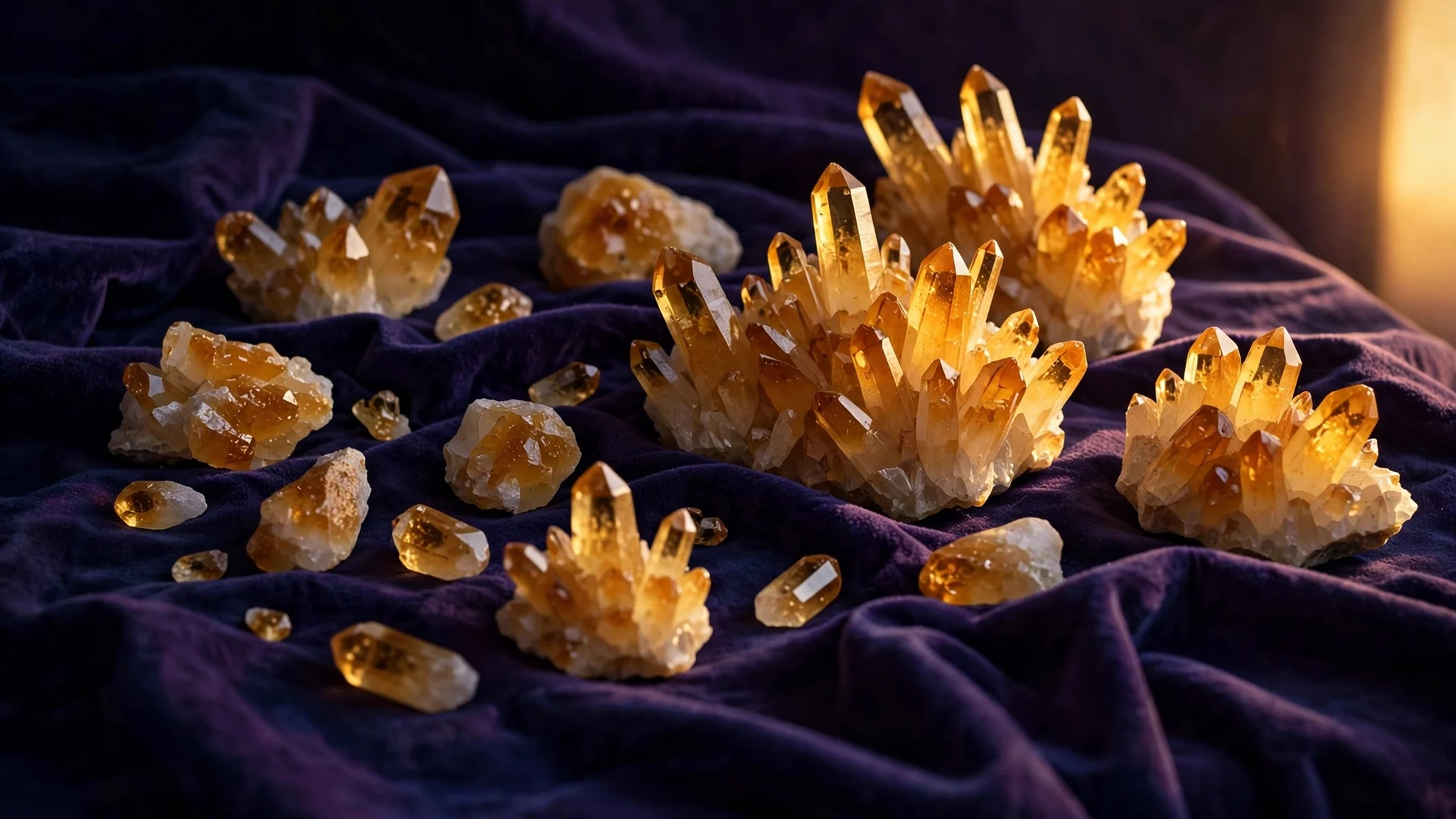
A search for citrine meaning usually begins with a color that feels like late afternoon, yellow warming into amber inside a faceted stone or a cluster of small points. Citrine is the optimist of the shop case, the one gift givers pick for new ventures and shopkeepers pick for the shelf behind the counter. It also carries the most interesting honesty problem in the quartz family, a fact about heat and disclosure that good sellers state plainly and that this page will state just as plainly.
Two stories run through the material below. The geological story covers a yellow quartz that nature makes rarely and the market makes often, by heating its purple cousin. The traditional story covers warmth, abundance and a shopkeeping nickname that has survived for generations. Neither story cancels the other. A buyer who knows both can enjoy the stone with open eyes, which is the only way any stone in this cluster deserves to be enjoyed.
The Short Answer
In short, citrine is the yellow to amber variety of quartz, a November birthstone shared with topaz, and tradition calls it the merchant stone, kept near tills in shopkeeping lore as an emblem of warmth and abundance. Practitioners link it with the solar plexus chakra and place it where work, trade and new plans are made, as a focus for a forward looking frame of mind.
| At a glance | Citrine |
|---|---|
| What it is | The yellow to amber variety of quartz |
| Color | Pale lemon through to deep amber brown |
| Tradition links it with | Warmth, abundance and enterprise |
| In practice | Kept near tills, desks and plan books in shop lore |
| Care note | Durable quartz care, with storage away from harsh light |
What Citrine Actually Is
Citrine is quartz colored yellow, and the family resemblance to amethyst is no accident. Both stones are silicon dioxide, and citrine range runs from a pale lemon wash that barely tints a point, through honey and gold, to a deep amber brown that old trade lists named with a wine comparison this page will simply call dark and warm. Cut stones show the color best, since facets return light through the material and let a pale gem prove how much yellow it actually holds. Clusters of small citrine points, often with white quartz bases, fill the affordable end of the market.
Here is the disclosure the trade owes every buyer. Natural citrine is uncommon, and most citrine on the market is amethyst that has been heat treated, which honest sellers disclose. Gentle heating changes the purple of amethyst into the yellows and ambers of citrine, and the resulting stones are real quartz, stable in color and perfectly legitimate as long as the treatment is stated. The stones to question are not the heated ones. They are the listings that price heated material as rare natural material, or that hide the treatment behind vague words. Ask the seller directly. A seller worth buying from answers without blinking.
The calendar gives citrine a firm foothold. It is a November birthstone, shared with topaz, so the yellow stones carry the birthday trade for the last full month of fall. Jewelers stock it beside the smoky quartz and the garnets as the bright option for cold season gifts, and the association with late year light, lamps lit early and shops at their busiest, feeds naturally into the lore covered next. As quartz, it shares the family hardness and shrugs off ordinary wear, which makes it a sensible stone for rings and daily pieces as well as for shelf display.
The Meaning in Tradition
Tradition assigns citrine the sunniest brief in this cluster, warmth and abundance, and it states both as lore rather than law. In crystal practice the stone is traditionally used for a forward looking mood, the frame of mind in which a person writes the plan, sends the application or opens the shop door in the morning expecting the day to be worth opening for. Practitioners reach for it when they want a symbol of momentum on a desk or a counter, a small yellow argument against gloom. No honest account promises that a stone draws money. The tradition, at its best, promises nothing at all and offers a token instead.
The famous nickname comes from trade itself. Citrine is the so called merchant stone kept near tills in shopkeeping lore, placed in cash boxes, beside registers and later in the drawers of market stalls and the corners of online sellers desks. Generations of shopkeepers kept a piece where money changed hands as a good luck emblem for the business, and the custom outlived the cash box because the wish underneath it never dated. Every trader wants the till to reflect the work. The stone became the pocket sized form of that wish, yellow as a coin and cheerful as a good morning of sales.
Chakra practice links citrine with the solar plexus chakra, the center that system ties to confidence, will and the sense of personal direction. That placement explains its modern addresses, home offices, studio benches, the shelves where business books and plan books live. Owners setting up a first workspace often buy one piece for the desk before they buy anything else for the room, and the purchase functions as a housewarming rite for their own ambitions. The stone witnesses the plan. The person still has to do the plan, and the tradition, read fairly, never claimed otherwise.
Working With Citrine
The till custom is the oldest working method, and its modern forms are easy to copy with a clear conscience. A small tumbled citrine in a cash drawer, a point beside a card reader or a cluster on the shelf where invoices wait all serve the same symbolic post. Owners who sell at markets keep a piece in the money pouch and touch it while setting up the stall, a one second ritual that says the day is open and the stall holder is ready. None of this is accounting. It is morale given a mineral form, and morale is a real input in any small business.
Desk work gives the stone its second post. Practitioners who journal beside citrine often use it for planning pages, budgets sketched honestly, price lists, the letter that asks for the raise or the order, with the stone resting on the notebook as the emblem of the enterprise the page describes. Meditation practice in this tradition seats the stone ahead of the sitter during a reflection on goals, attention on the breath while the mind rehearses the next step rather than the whole staircase. Carrying a tumbled piece on pitch days, interview days and launch days extends the same logic into a pocket, a token of warmth to hold while waiting in the corridor.
A third use belongs to gifts. Citrine is the stone friends buy for a person opening a studio, a food truck or a first shop, because its lore lets the giver say good fortune in mineral form without a speech. The gift works even between skeptics. Both parties understand the sentence the stone is carrying, and the understanding, not the mineral, does the carrying.
Cleansing, Charging and Care
As quartz, citrine asks for durable quartz care and rewards it by staying bright for decades. Wash it in lukewarm water with mild soap, dry it with a soft cloth and store pieces away from harder gems that might scratch a facet. Rings and bracelets in this stone tolerate daily wear well, one reason jewelers recommend it to buyers who are hard on jewelry. The storage advice from the brief bears repeating here. Keep citrine away from harsh light during long storage, since strong sun over seasons can dull fine material, and a drawer or a box keeps the amber depth exactly as purchased.
Ritual cleansing for a merchant stone tends to follow the business calendar rather than the moon. Shop owners rinse a counter piece at the start of a new season, rest it on the closed ledger overnight and set an intention for the quarter ahead, which is bookkeeping and symbolism sharing one small ceremony. Home owners borrow the custom at the new year or at the start of a job search. Readers building an autumn set around the stone will find its company listed in our article on the best crystals for Scorpio season, where citrine carries the bright note among darker stones. Water is safe, soap is safe, and the stone asks nothing more exotic than a cloth and a drawer.
Pairing Citrine With Other Stones
Citrine pairs by temperature and by task, and its partners are the warm workers of the cluster. Carnelian meaning stands first, an orange stone tradition links with drive and creative fire, so a desk holding carnelian and citrine declares a two part intention, start the work and see it prosper. Makers and sellers favor that pair for studio shelves, where the orange stone suits the making hours and the yellow one suits the selling hours.
Clear quartz meaning supplies the method to citrine warmth, since tradition treats the clear point as the amplifier for any intention set beside it, and a clear point behind a citrine cluster on a business shelf is the cluster version of a mission statement. Owners who keep only two stones for work usually keep these. The third partner changes the register from bright to bold. Tigers eye meaning brings the banded golden brown stone that lore ties to courage and practical judgment, a pairing chosen for negotiations, launches and the days when a plan meets its first real weather.
Weight arrives through garnet meaning, the deep red stone linked in tradition with commitment and endurance. Citrine can read as pure optimism on its own, and garnet corrects the reading in a useful way, affection for the venture joined to the stamina the venture will actually require. A garnet beside the till stone is a shopkeeper proverb in two minerals, hope in yellow, staying power in red, and the pair has closed more sales seasons than any slogan on a wall.
The Number on the Receipt
Citrine is the abundance stone, and money questions often arrive with a number attached, the total that keeps recurring or the figure you keep seeing. Look that number up in the free Angel Numbers tool and read what the tradition says about it, then decide for yourself how much weight it deserves beside the real figures in your budget.
Take the Question Further
A merchant stone can witness a plan, but it cannot price your work, read a partner offer or tell you whether the new venture is a door or a distraction. Questions of timing and trade are reading questions, and PsychicSmile readers take them daily from sellers, freelancers and founders who want a clear second view before they commit money or months. Bring the numbers as well as the hope. A good reading handles both. First 3 minutes FREE, every time, for every reading, with all advisors.
Frequently Asked Questions
Is most citrine on the market really heated amethyst?
Yes. Natural citrine is uncommon, and most citrine sold today began as amethyst that was heat treated until the purple turned yellow or amber. The result is genuine quartz with stable color. Honest sellers disclose the treatment, so the right response is not alarm but a direct question before paying natural stone prices.
Why is citrine called the merchant stone?
Shopkeeping lore kept a piece near tills, cash boxes and registers as a good luck emblem for trade, and the nickname records that custom. The tradition treats the stone as a token of warmth and abundance for a business. It is a wish with a long history, offered as lore, never as a promise about revenue.
Which birth month does citrine belong to?
Citrine is a November birthstone, a place it shares with topaz. The shared listing gives November buyers a choice between a classic golden gem and this more affordable quartz with the same sunny range. Jewelers lean on the stone heavily in fall, when its colors match the season shoppers are dressing for.
How can a buyer tell natural citrine from heated material?
With difficulty, and often not by eye alone, since gentle colors appear in both and strong amber tips on white bases usually signal heated amethyst. The practical protection is the seller rather than the loupe. Buy from sellers who disclose treatment in writing, and pay heated material prices unless a stone carries credible documentation.
Where should citrine be placed in a workspace?
Tradition puts it where enterprise happens, beside a register, on the shelf with plan books, or at the corner of the desk used for budgets and applications. Chakra practice links it with the solar plexus and with confidence in that system. Any visible post works, provided the sight of it recalls the plan it was bought to witness.
Last updated: November 9, 2026