Winter Solstice 2026: Meaning, Rituals and Dates

Winter Solstice 2026 falls on Monday, December 21, 2026, at 20:50 UTC, which is 12:50 p.m. Pacific time and 3:50 p.m. Eastern time. It is the longest night of the year in the Northern Hemisphere, the moment when the dark reaches its peak and begins, very slowly, to give way. At that same moment the Sun enters Capricorn, opening the season of steady building that carries us into the new year. This page explains the meaning of the winter solstice, the dates around it, and simple rituals for the longest night.
That turning point lasts a single instant, not an entire day, though the day around it carries the meaning. The word itself comes from the Latin for the Sun standing still, because at the solstice the Sun seems to pause at its lowest point in the sky before turning back toward longer days. People have marked this pause for thousands of years, with fires, feasts, evergreens, and quiet reflection. The forms change from place to place, but the feeling is the same everywhere: the dark is deep, the light is coming back, and the year is turning.
When the Solstice Falls in 2026
In 2026 the solstice moment lands on Monday, December 21, at 20:50 UTC. In the United States that is 12:50 p.m. Pacific time and 3:50 p.m. Eastern time, so the solstice moment itself happens in daylight for most Americans. The longest night follows that afternoon: the night of December 21 into December 22 is the longest night of the year, and the evening of December 21 is the time most people choose to mark it.
At the solstice moment, the Sun enters Capricorn. Capricorn is the sign of steady building, patience, and long-term plans, so the solstice opens a season that favors practical work: finishing what was started, setting honest goals for the year ahead, and building one step at a time. The pairing is a good one. The solstice brings the turning of the light, and Capricorn brings the patience to use that light well.
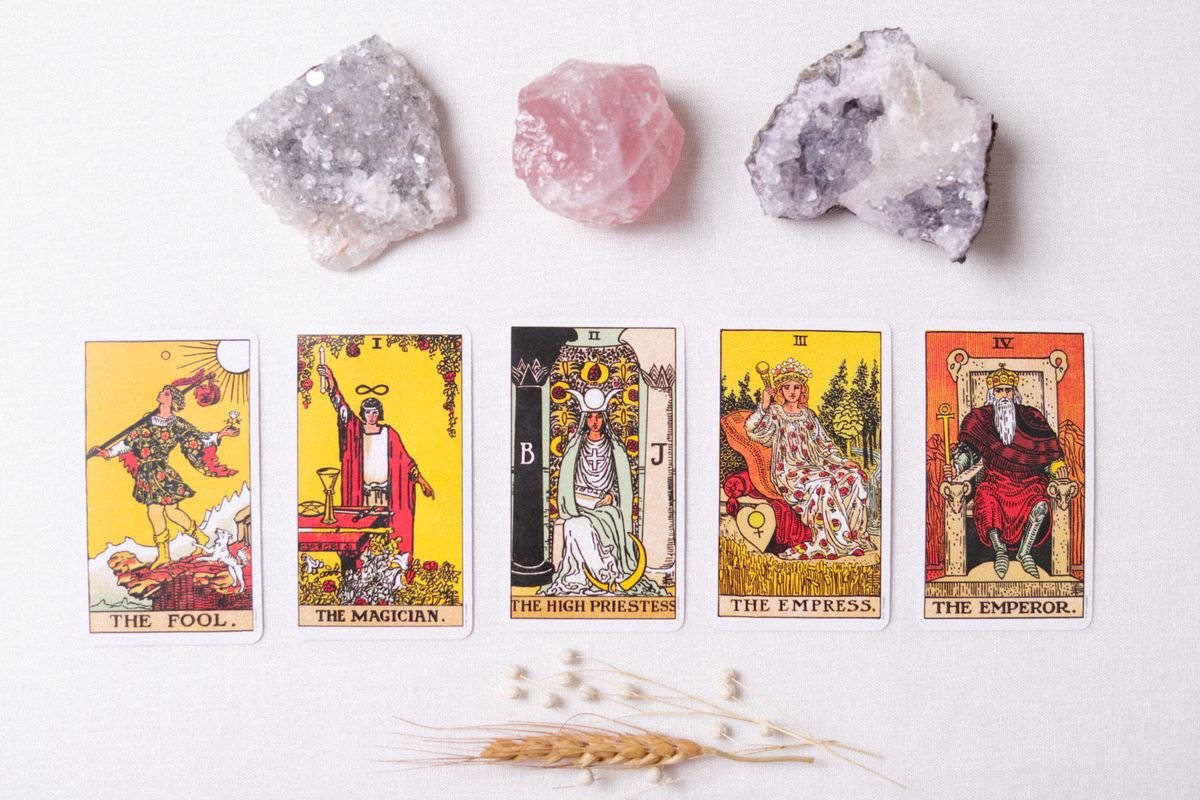
The date of the solstice moves a little from year to year, falling on December 20, 21, or 22 depending on the year. In 2026 it is December 21. If you are planning a gathering, a ritual, or a reading around it, the evening of December 21 is the date to hold. Our page on the winter solstice tarot spread gives a six-card layout for that same night, for readers who want to work with cards as well as candlelight.
What the Winter Solstice Means
In plain terms, the winter solstice is the turning point of the dark half of the year. From the summer solstice in June, the days have grown shorter and the nights longer, step by step. At the winter solstice the shortening stops. The days begin to lengthen again, at first by only a minute or two a day, then faster as winter goes on. The change is too small to see on the first day, but it is real, and it grows.
In spiritual terms, the solstice is read as light returning after darkness. The longest night is not an ending but a seed moment, like the dark of a new moon. What is planted in the dark grows in the light that follows. That is why the solstice suits reflection and intention setting so well. The dark gives you quiet to think, and the returning light gives you hope to act.
There is also a gentler meaning that is easy to miss. The solstice gives permission to rest. The year has asked a lot of you, and the longest night is the natural time to stop, to sit still, and to let the body catch up. Rest at the solstice is not laziness. It is part of the cycle, and the energy you save in the dark is the energy you will spend in the light.
Solstice Traditions Through History
People in the far north have marked the solstice for thousands of years, because the return of the light mattered most where the dark was deepest. Fires were lit to hold back the night and to welcome the Sun back. Evergreen branches were brought indoors as a sign that life endures through winter. Feasts were shared, because stored food and shared warmth were what carried a household through the cold months.
In many traditions the solstice was also a time of story and song. Long nights were made for tales told by firelight, for remembering the year that passed, and for teaching the young what the turning of the seasons means. The stories changed from place to place, but the shape stayed the same: darkness, endurance, and the promise of light.
The festival of Yule belongs to this season, and many of its customs still live on in winter holidays today: the evergreen tree, the wreath, the candle in the window, the shared meal. You do not need to follow any one tradition to mark the solstice. The old customs share one idea, and it is available to anyone: light a light in the dark, share warmth with others, and greet the turning year with hope.
Simple Rituals for the Longest Night
Keep your solstice ritual simple, so that you actually do it. Light a single candle in a dark room and sit with it for a few minutes. Watch the flame and think about the year that is ending. You do not need words, music, or tools. The quiet and the flame are enough, and the simplicity is part of the point.
Then take a pen and paper and write two lines. The first line is one thing you want to release from the year: a habit, a grudge, a fear, a task that no longer fits. The second line is one thing you want to welcome in the year ahead: a skill, a habit, a person, a place. Fold the paper and put it where you will notice it. Look at it again when the new year begins, and notice which line has already started to move.
Share a warm meal if you can. Cook something simple and slow, like soup or bread, and eat it with people you love, or in peaceful quiet if you are alone. Food shared at the solstice is an old custom, and it still works: it warms the body and steadies the mind. After the meal, step outside for a few minutes and look at the sky. The night is long and dark, and the stars are bright. Standing under them for even a short time is a ritual in itself.
If you want a longer practice, add a short walk before dark. Walk without a destination, notice the low light, the cold air, the bare trees. A walk on solstice day clears the head and makes the evening ritual feel grounded. Leave the phone behind if you can, and let the walk be the walk, with nothing else attached to it.
What to Release and What to Carry Forward
The solstice is a natural time to sort the year. Look back over the months and name one thing that is finished. It could be a project, a relationship shape, a belief about yourself, or a worry that no longer fits the facts. Naming it as finished is an act of honesty, and honesty is what lets you put it down.
Then name one thing worth carrying forward. It could be a friendship that deepened, a skill you built, a habit that helped, or a lesson that cost you something and taught you more. Carry it forward on purpose, not by accident. Write it on the same paper as your two lines, so that the release and the carrying sit side by side.
Be careful with one trap: the urge to fix everything before the new year. The solstice is a seed moment, not a deadline. Release one thing, carry one thing, and let the rest wait. A single honest change made in the dark of the longest night will do more than a long list of resolutions that is forgotten by the second week of January.
Solstice and the Season Around It
The days after the solstice lengthen slowly, a minute or two at a time, and the change builds through the winter. Capricorn season, which opens at the solstice, favors steady work: finishing what was started, setting honest goals, and building one step at a time. It is a good season for plans that need patience rather than speed. For the wider picture of Capricorn, the sign the Sun moves into at this turning point, see our guide to Capricorn zodiac sign meaning.
The December full moon follows two days later, bringing bright light to the dark season. The full moon is a time for release and review, and it pairs well with the solstice: the solstice turns the light, and the full moon shows you what the light reveals. The full moon December 2026 page covers that bright peak, and the autumn festival that opened the dark half of the year is covered on our page about Samhain 2026 meaning.
As the new year approaches, many people turn to cards for a wider view of the year ahead. The new year tarot spread page holds a layout for the turn of the year. Use it after the solstice, when the light has begun to return and the year ahead is ready to be read.
Planning Your Solstice Evening
Plan the evening lightly, so that it stays enjoyable. Decide the time, gather what you need, and keep the guest list small. One candle, paper and pen, a simple meal, and a few minutes outside: that is a complete solstice evening, and it needs nothing more. If others join you, give each person a turn to name one release and one welcome. Hearing others speak theirs often clarifies your own.
If you are alone, the evening can be just as full. Solitude on the longest night is an old practice, not a lack. Cook for yourself, light the candle, write your two lines, and sit with the quiet. Many people find that a solitary solstice gives them the clearest sense of the year ahead, because there is nothing to perform and no one to please.
Whatever form your evening takes, end it early enough to sleep well. The longest night is a night for rest as much as for ritual. Go to bed with the candle out, the paper kept safe, and the sense that the year has turned. The light is already returning, one minute at a time.
When a Reading May Help
If the solstice leaves you with a question about the year ahead, a short chat with a PsychicSmile advisor may help you talk it through. Come with the question in plain words and the facts as you know them. A reading works best when it stays close to decisions you can act on in the weeks ahead, not promises about the far future. First 3 minutes FREE — every time, for every reading, with all advisors.
Frequently Asked Questions
What day does the 2026 winter solstice fall on?
It falls on Monday, December 21, 2026, at 20:50 UTC, which is 12:50 p.m. Pacific time and 3:50 p.m. Eastern time. A solstice marks a single instant, not a full day, though the evening around it is the time most people mark.
What does the winter solstice mean?
It means the turning point of the dark half of the year: the longest night and the shortest day in the Northern Hemisphere, after which the days slowly lengthen again. In spiritual terms it is read as light returning after darkness.
How long is the longest night?
The exact length depends on where you live. The further north you are, the longer the night. In the far north the Sun barely rises at all, while in the south of the United States the night is long but far from total darkness.
What rituals suit the winter solstice?
Simple ones suit it best: light a candle, write down one thing to release and one thing to welcome, share a warm meal, and spend a few minutes outside under the dark sky. The aim is quiet reflection, not a long ceremony.
What happens after the solstice?
The Sun enters Capricorn at the solstice moment, and the days begin to lengthen a little at a time. The change is slow at first, a minute or two a day, and it builds through the winter toward spring.
Last updated: November 24, 2026