
What Is a Poltergeist? Meaning and Signs
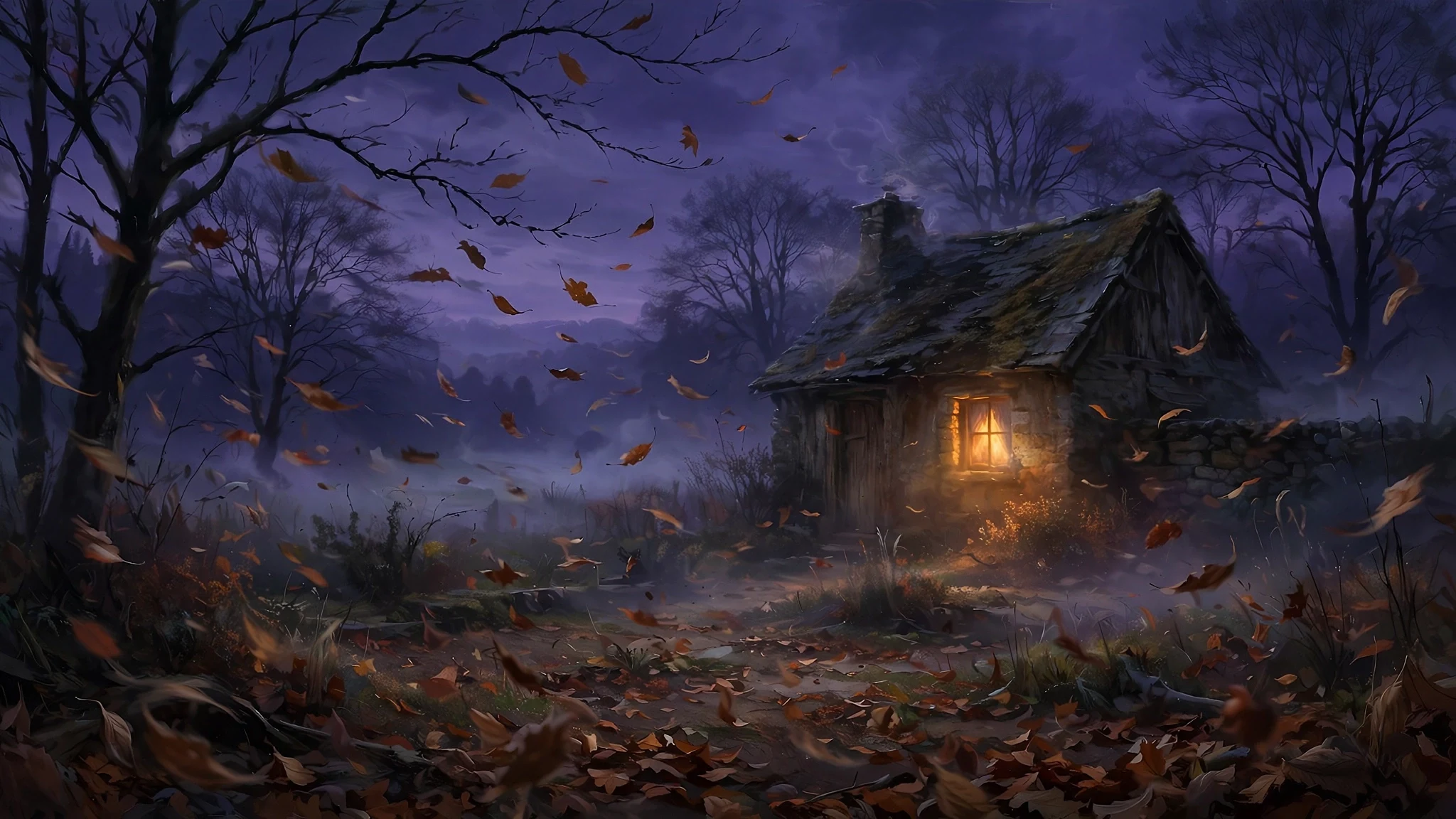
What Is a Poltergeist in Plain Language
When people ask what is a poltergeist, they usually describe a noisy, restless disturbance rather than a quiet figure. Objects slide across a floor, doors slam, dishes fall from shelves, lights flicker, and knocks answer knocks from inside a wall. The word itself gives the clue. Poltergeist comes from German, where poltern means to make a noise or to rattle, and Geist means spirit or ghost, so a poltergeist is literally a noisy ghost. The name does not describe a single being so much as a pattern of activity centered on sound and movement.
A poltergeist report differs from a classic ghost sighting in its focus. A ghost is often seen, sometimes only for a few seconds, and the experience centers on a figure. A poltergeist is usually heard and felt first, through movement that no hand can be seen to cause. The activity often centers on one house and one household, and it often runs for weeks or months before it fades. Some reports link the activity to a young person in the house, others to a place with a long history, and others to a period of stress or change in a family. The pattern is the signature, and it is what investigators look for before they use the word at all.
Where the Word Comes From
The German word poltergeist was used in print by Martin Luther in the 1500s, and it entered English in the 1840s through the writer Catherine Crowe and her book The Night-Side of Nature, published in 1848. Crowe used the German term for the noisy spirits described in German folklore, and English readers adopted it because no English word covered the same idea. The word stayed rare until the twentieth century, when the investigator Harry Price used it widely in his books and lectures, and it became the standard term in English for this kind of case.
That history explains a common confusion. In German folklore a poltergeist was one kind of household spirit among many, tied to a place and known for mischief. In modern English use the word has narrowed to the noisy, object-moving pattern, and it is often used for the most dramatic cases in the news. When a reader meets the word in a film or a headline, it may mean a demon, a haunting, or a trick of editing. When an investigator uses it, it means a specific set of reported events: repeated knocks, thrown objects, and movement with no visible cause, logged over time in one place.
The Signs People Report Most Often
The first sign is usually sound. Knocks, raps, bangs, and scratching noises come from walls, ceilings, or furniture, often in a pattern that seems to answer a question or a knock from a person in the room. Next comes movement. A chair slides a short distance, a book falls from a shelf that no one touched, a picture tilts, a drawer opens, or a small object such as a stone or a coin is found in a place where it does not belong. In stronger reports, heavier furniture moves, crockery breaks, and objects fly across a room.
Other signs include lights that switch on and off, appliances that start or stop without being touched, cold patches, and a feeling of tension in the house that lifts when visitors leave. Some reports include a voice, often described as rough or low, speaking through a young person in the household. That last detail is rare and needs care, because a voice can also be a sign of stress, illness, or a child under pressure. A single knock or a single fallen book is not a poltergeist. The word fits only when the events repeat, when they cluster in one place, and when ordinary causes have been checked and set aside.
Poltergeist or Ghost: How the Two Differ
A ghost report and a poltergeist report can happen in the same house, yet they point in different directions. A ghost is usually a figure tied to a dead person, seen or sensed in a place linked to that life. A poltergeist is usually an activity tied to a living household, centered on noise and movement, with no clear figure at the center. A ghost may appear once and never return. A poltergeist often returns daily, sometimes at the same hour, and the activity can grow stronger when people gather to watch it, then fade when the household changes.
Investigators also note a difference in focus. Ghost reports often center on an older person, a former resident, or a place with a known history. Poltergeist reports often center on a younger person in the house, frequently a teenager, and on a household going through stress, grief, a move, or a family conflict. That link has led some researchers to suggest that a poltergeist may be linked to unconscious energy from a living person under strain, a theory called recurrent spontaneous psychokinesis. Other researchers keep the spirit explanation. The page does not settle that debate. It records the pattern so a reader can see which description fits the events in front of them.
Famous Cases: Enfield and Borley Rectory
The best known poltergeist case in Britain is the Enfield case, which began in August 1977 in a council house in Enfield, north London. Peggy Hodgson, a single mother, and her four children reported beds shaking, furniture moving, and a rough male voice that claimed to be Bill Wilkins, a former resident who had died in the house. Investigators Maurice Grosse and Guy Lyon Playfair from the Society for Psychical Research spent months in the house and logged more than 2,000 separate incidents. A police officer, WPC Carolyn Heeps, signed a statement that she saw a chair slide across a floor with no one touching it.
The case remains disputed. Janet Hodgson, who was 11 at the time, later admitted that she had faked some incidents, yet many witnesses, including police officers, journalists, and researchers, described events they could not explain. The second famous case is Borley Rectory in Essex, built in 1863 and investigated by Harry Price in the 1930s. Price called it the most haunted house in England, and his book of 1940 listed around 2,000 reported phenomena, including bells ringing, writing on walls, and a figure of a nun. The rectory burned down in 1939, and later reviews raised questions about some of the evidence. Both cases show the same lesson: a long, detailed log with independent witnesses is worth far more than a single dramatic story.
Ordinary Causes to Check First
Before the word poltergeist is used, the house needs a careful check. Vibrations from a road, a railway, or building work can move light objects and rattle windows. A loose floorboard can make a knock that travels through a wall. Plumbing can bang when water pressure changes, and central heating pipes can tick, creak, and knock as they expand. Electrical faults can switch lights and appliances, and a faulty thermostat can turn heating on at odd hours. A draft through a gap under a door can slam it, and a shelf that is not level can let a book slide off on its own.
People also need a check. A household under stress can misremember timing, and a child who feels unheard may, in rare cases, move objects and then deny it, especially when adults react with fear and attention. That does not mean every case is a trick. It means a calm log matters. Note the date, the time, the object, the place, and who was present, and photograph the scene only if it is safe to do so. If the same event repeats with several witnesses in the room and no one near the object, the report grows stronger. If it only happens when one person is alone, the next step is a quiet conversation, not an accusation.
An Illustrative Example: Priya and the Kitchen Cups
This example is illustrative, not a real person's story.
Priya is a 29 year old teacher who rents a flat with two friends in a converted house. Over two weeks, three cups fell from a kitchen shelf, always in the early evening, and the flatmates began to talk about a poltergeist. Priya kept a log with dates and times, and she noticed that each fall happened shortly after a heavy lorry passed on the road outside. A builder who visited the flat found that the shelf brackets were loose, the shelf was not level, and the vibration from traffic was enough to walk a light cup to the edge over several hours.
Once the brackets were fixed and the shelf was leveled, the cups stopped falling. Priya kept the log, because it showed how a real pattern can have an ordinary cause, and how a written record turns fear into a question that can be answered. The example does not prove that every poltergeist report has a loose shelf behind it. It shows the order that protects a household: log the events, look for a physical cause, fix what can be fixed, and only then ask whether anything remains that needs a spiritual conversation.
What to Do If Activity Continues
If objects keep moving after the house has been checked, keep the log going and talk to the people in the household as a group. Ask each person what they saw, separately, and compare the accounts without leading questions. Keep the house calm and routine, because fear and late night vigils can make ordinary sounds feel larger. If the activity centers on a young person, give that person time, privacy, and support, and avoid turning them into the focus of an investigation. A counselor or a doctor can help if stress, anxiety, or poor sleep is part of the picture.
A medium or a spiritual reader can be a next step for some households, especially when the question is about a person who once lived in the house. Bring the log, describe the checks already made, and ask for a calm assessment rather than a dramatic cleansing. Be cautious about any service that demands a large payment, promises to remove a spirit in one visit, or uses fear to sell more sessions. If anyone feels unsafe, if there is damage to the house, or if a child is distressed, speak to a trusted adult, a doctor, or a local support service first. Safety and sleep come before any investigation, and a clear record is the best tool a household can carry into any conversation that follows.
For more context, start with the mediumship hub, then read what is a ghost to compare a quiet figure with a noisy pattern. The history of mediumship shows how investigators logged such cases, spiritual protection covers calm house routines, and what is a spirit explains the wider word behind the noise.
First 3 minutes FREE — every time, for every reading, with all advisors.
For a simple next step, try a One-Card Tarot reading and reflect on what the activity in your home may mean.
Frequently Asked Questions
What is a poltergeist?
A poltergeist is a noisy, restless disturbance described as a spirit that moves objects, knocks on walls, and causes repeated disruption in one house, rather than a quiet figure that is simply seen.
What does the word poltergeist mean?
The word comes from German, where poltern means to make a noise or to rattle and Geist means spirit or ghost, so a poltergeist is literally a noisy ghost.
Are poltergeists dangerous?
Most reports describe noise, movement, and broken objects rather than harm to people, but any household that feels unsafe should put safety first and seek practical help before any spiritual step.
What is the difference between a ghost and a poltergeist?
A ghost is usually a figure tied to a dead person and a place, while a poltergeist is a pattern of noise and movement, often centered on a living household and one young person in it.
How can I tell if activity is a poltergeist or a house problem?
Keep a dated log, check vibration, plumbing, heating, wiring, and loose fittings, and look for repetition with several witnesses before using the word poltergeist.
Last updated: November 12, 2026
