
Signs of a Haunting: What People Report
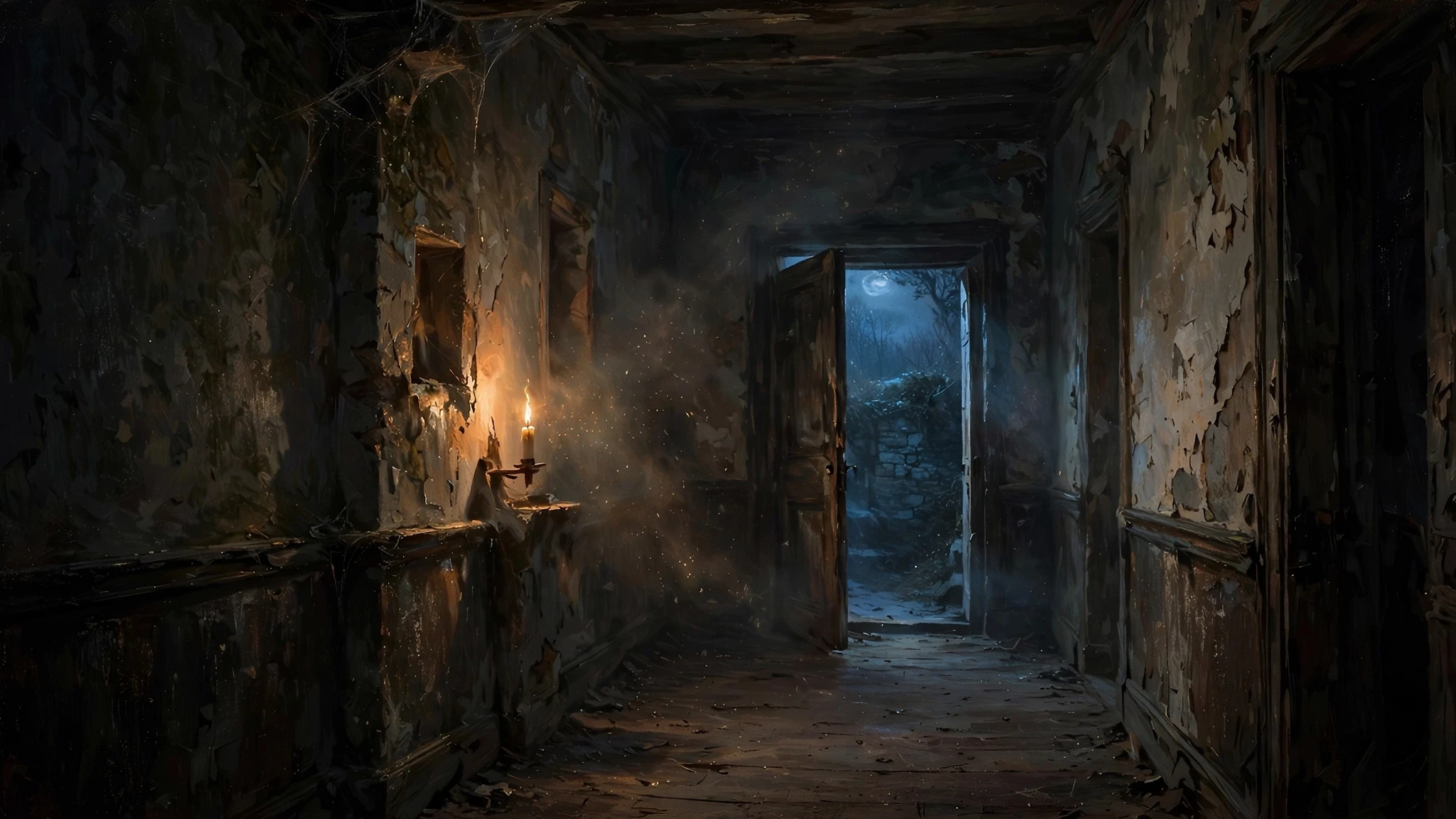
Signs of a Haunting: What the Phrase Means
The signs of a haunting are the repeated, unexplained experiences people report in a house or place and attribute to a spirit. The word haunting covers a wide range, from a single cold spot to a pattern of sounds, smells, and movements that several people notice over weeks or months. The phrase does not, on its own, prove that a spirit is present. It is a label for a pattern, and the first job is to describe the pattern accurately before deciding what it means. For the background idea itself, see what a spirit is, which sets out the types practitioners describe.
Investigators have used the word in a formal sense since the 19th century. When the Society for Psychical Research was founded in London in 1882, one of its six committees was set up specifically to investigate reports of apparitions and disturbances in houses reputed to be haunted. That committee collected first hand accounts, checked them against ordinary causes, and published what it found, a method that still shapes serious investigation today. The fuller story is told in the history of mediumship. The same approach works at home: describe what happened, when, and who else noticed it, before reaching for an explanation.
The Most Reported Signs, Grouped by Sense
Sounds come first in most accounts. People report footsteps on stairs or in empty rooms, knocking or rapping that repeats at the same hour, voices or whispers with no source, and music or a song linked to a person who died. Smells come second: perfume, tobacco, cooking, or flowers appearing suddenly and fading within minutes, with no matching source in the house. Touch comes third: a cold spot in one place, a feeling of being watched, or a light touch on the shoulder or arm.
Sights come fourth: a figure seen at the edge of vision, a shadow moving across a room, or an object that seems to have moved on its own. Electrical effects come fifth: lights flickering, appliances switching on or off, and batteries draining faster than expected in one room. The sixth group is behavioral: pets staring at an empty corner, refusing to enter a room, or reacting to something their owners cannot see, and children describing a person or friend that adults cannot see. No single sign on its own is a haunting; it is the repetition, the pattern, and the number of people who notice it that give a report weight.
Sounds, Smells, and Cold Spots in Detail
Footsteps are the most commonly reported sound, and they are also the easiest to misread. A house settles at night as wood contracts, pipes expand and contract with hot water, and loose floorboards creak under changes in temperature and humidity. A useful check is to walk the same route at the same hour and listen for the same sounds, and to note whether the footsteps follow a pattern, such as always crossing the same room, or happen at random. Knocking that repeats at the same hour deserves the same check: pipes, heating systems, and even a loose shutter can produce a regular knock.
Smells are harder to trace and easier to test. Perfume and tobacco are the two most reported, and both can linger in soft furnishings, curtains, and old wood for years, released by a change in heat or humidity. A cold spot is worth measuring rather than guessing: a simple thermometer can show whether one corner is genuinely colder, and whether the difference stays in the same place. If the cold spot moves, or if it appears only when a door or window is open, the cause is almost certainly a draft. These checks do not dismiss the experience; they make it possible to say what has actually been ruled out.
Objects, Lights, and Electrical Disturbances
Objects that move on their own are reported less often than sounds, and they are the hardest to verify. The most useful step is also the simplest: put the object back, note the exact position, and photograph it. If it moves again, note the time and whether anyone else was in the room. Small objects near a door or a window can move because of vibration, a draft, or an uneven surface, and a photograph makes that easier to judge than memory. Doors that open or close on their own deserve a check of hinges, latches, and air pressure between rooms.
Electrical effects have the most ordinary explanations of all. Flickering lights usually point to a loose bulb, a failing switch, or a wiring fault, and any flickering light should be checked by an electrician rather than treated as a sign, because faulty wiring is a fire risk. Appliances switching on or off can come from a timer, a remote control, or a power fluctuation. Batteries draining quickly can come from cold, age, or a faulty device. The rule for all of these is the same: fix the safety issue first, and only then ask whether anything remains unexplained.
What Pets and Children Report, and How to Read It
Pets feature in many haunting reports, and their behavior is worth watching without over reading it. Dogs and cats hear sounds above the range of human hearing, and they smell things humans cannot, so a dog staring at a wall may be listening to mice in the cavity, and a cat refusing a room may be reacting to a smell or a draft. What matters is a change: a pet that has always been calm in a room and suddenly refuses it, or several pets reacting in the same place at the same time, is worth noting. A single stare, on its own, is not.
Children describe unseen friends and visitors more often than adults, and those reports need a gentle response. A child may be describing a dream, a story, or a real person they have seen in a photograph, and the description may change each time it is retold. Listen without leading questions, write down what the child says in their own words, and do not suggest a ghost or a name. If a child is frightened, comfort comes first, and the practical steps, better lighting, a night light, a rearranged room, often help more than any investigation. If fear persists or sleep is badly affected, a doctor or a child health professional is the right next step.
How to Check Ordinary Causes Before Anything Else
A calm check takes about two weeks and costs almost nothing. Keep a log with four columns: date and time, room, exactly what happened, and who else noticed it. Ask other people in the house to keep their own notes without comparing them first, because independent notes that match are far stronger than a story retold together. Check the house itself: look for drafts, loose boards, plumbing noises, and electrical faults, and ask an electrician to look at any flickering light or tripping circuit.
Then look at the human side. Grief, stress, lack of sleep, and medication can all sharpen awareness and make ordinary sounds feel meaningful, especially after a death in the family. That does not mean the experience is imagined; it means the mind is working hard, and a tired mind notices more. If the log shows a clear pattern that survives those checks, you have something worth discussing with an experienced investigator or medium. If the pattern fades once the checks are done, that is a useful answer in itself, and it is worth accepting.
An Illustrative Example: The House on Maple Street
This example is illustrative, not a real person's story.
Elena, a 36 year old teacher, moved into a rented house and began hearing footsteps on the stairs after midnight. The steps always crossed the landing and stopped outside the spare room. She kept a log for two weeks, and her partner, who had been skeptical, heard the same steps on three nights and wrote them down separately. The notes matched on time and direction. Elena then asked a builder to look at the stairs, and he found a loose tread and a heating pipe that expanded as the system cooled at night, producing a knock that sounded like a step.
The builder fixed the tread and lagged the pipe, and the footsteps stopped. Elena later said she was glad she had kept the log, because it turned a frightening pattern into a solvable problem. The example is not proof that hauntings do not happen; it is proof that a careful check can settle a real fear, and that the check should come before any other explanation is accepted.
What to Do Next If the Signs Continue
If the log shows a pattern that ordinary checks do not explain, the next step is to talk with someone experienced, not to try to provoke a response. A medium can sit in the house quietly and describe what they sense, and a careful one will say plainly if they sense nothing. Some people prefer a house cleansing first, and the guide on how to cleanse your home of negative energy sets out the full set of methods, from smudging to sound and salt. For personal protection, the guide on how to protect yourself from spirits covers the daily steps, and the guide to spiritual protection covers the wider set of daily practices. The mediumship hub gathers the guides on this site for anyone working through these signs step by step.
Do not try to challenge or provoke whatever you think is there, and do not use a Ouija board or a similar tool without experience, because the main risk is fear, and fear makes everything harder to judge. If the experience is frightening, persistent, or affecting your sleep, your work, or your children, seek support from a doctor or a mental health professional alongside any spiritual step. If you would like to talk through what you have logged with a reader, you can do that here in a calm first conversation. First 3 minutes FREE — every time, for every reading, with all advisors.
For a simple next step, try a One-Card Tarot reading and reflect on what the card suggests about the pattern you have been logging.
Frequently Asked Questions
What is the most common sign of a haunting?
Repeated sounds are the most commonly reported sign, usually footsteps, knocking, or voices with no clear source. Smells such as perfume or tobacco, and cold spots in one place, are the next most common. A single event is rarely enough; repetition and more than one witness give a report weight.
How can I tell if my house is haunted or just old?
Old houses make more noise than new ones, so check the ordinary causes first: loose boards, pipes, drafts, and wiring. Keep a two week log with dates, times, rooms, and witnesses, and ask others to keep separate notes. A pattern that survives those checks is worth discussing with someone experienced.
Do pets really sense spirits?
Pets hear and smell far more than humans, so a pet reacting to an empty corner may be hearing mice, a draft, or a sound you cannot hear. A sudden change in a pet that was previously calm in a room is worth noting, but a single stare on its own is not evidence of a spirit.
Should I be afraid if I think my house is haunted?
Most reported hauntings are described as unsettling rather than dangerous, and many turn out to have ordinary causes. Fear itself is the main harm, so check the house, keep a log, and improve lighting and sleep first. If fear persists, seek support from a professional.
Who should I call about a suspected haunting?
Start with practical help: a builder for structural sounds and an electrician for flickering lights. Then, if the pattern continues, speak with an experienced medium or investigator who will sit quietly and describe what they sense. Avoid anyone who demands a large fee to remove a curse or who tries to frighten you.
Last updated: November 12, 2026
