
How to Use Incense: Scents, Safety and Ritual
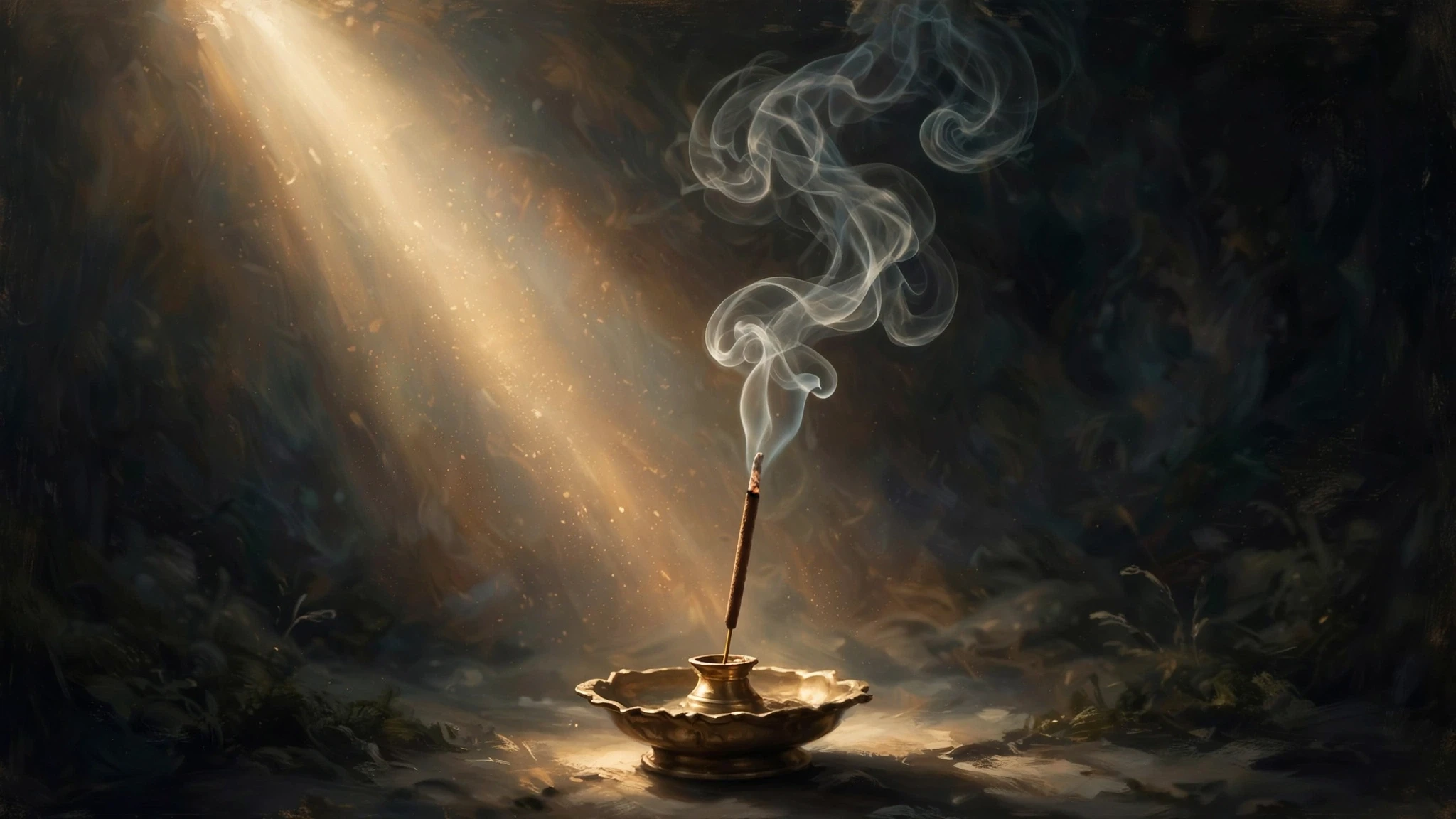
How to Use Incense: Scents, Safety, and Ritual
Learning how to use incense starts with the simplest fact about it: incense is scent carried on smoke, and it has been used in prayer, ceremony, and daily life for thousands of years. A stick of incense, a cone, or a pinch of resin on charcoal all do the same basic thing: they fill a room with fragrance and mark a moment as different from ordinary time. This page covers the common types, what each scent is traditionally used for, how to burn incense safely, and how to build a small ritual around it, so you can enjoy the practice without hurting your lungs or your home. The scents are presented as tradition and personal association, not as proven effects, and the safety advice is the part to take most seriously.
A Short History of Incense
Incense is one of the oldest scented practices in the world. Frankincense and myrrh were traded across the ancient world, carried by caravan from southern Arabia to the temples of Egypt, Greece, and Rome, where they were burned as offerings. In China and Japan, incense became an art in itself, with carefully blended recipes and ceremonies built around the appreciation of a single scent. In India, incense has been part of daily worship for centuries, burned before images of the gods and during prayer. In Christian churches, frankincense is burned in a censer during services. In all of these traditions, the smoke was understood to carry prayer upward, to cleanse a space, or to mark a sacred moment. That long history is worth knowing because it puts the modern practice in perspective. Burning a stick of incense in your living room is a small echo of something people have done in temples and homes for a very long time. It is also a reminder that the practice belongs to many traditions at once, and that no single tradition owns it. The scent you choose connects you to a long human habit of making a room smell like something more than the everyday.
The Common Types: Sticks, Cones, Resin, and Coils
Incense comes in four common forms, and each has its own character. Sticks are the most familiar: a thin bamboo core coated in scented paste, or a solid stick made entirely of pressed incense. They are easy to light, burn steadily, and are the best choice for a beginner. Cones are small pyramids of pressed incense that burn from the tip down and produce a stronger scent in a shorter time. They are good for a brief ritual, but they can be intense in a small room. Resin is the oldest form: small tears or chunks of tree sap, like frankincense or myrrh, that you place on a hot charcoal disc in a heatproof bowl. Resin gives a rich, deep scent, but it needs more equipment and more care, and the charcoal stays hot for a long time. Coils are spirals of incense that burn slowly for hours, and they are common in temples and in parts of Asia, but they are too much for a small home ritual. Whatever form you choose, buy from a seller who lists the ingredients. Cheap incense is often made with synthetic fragrances and a lot of filler, and it produces more smoke and a harsher smell than incense made with real woods, resins, and oils. A good stick smells pleasant even before you light it, and it burns with a thin, steady stream of smoke rather than a thick cloud.
The Common Scents and What They Are Used For
Each scent has traditional associations, and these are the ones people reach for most often. Sandalwood is warm, woody, and calming, and it is traditionally used for meditation and prayer. Frankincense is resinous and slightly citrusy, and it is used for ceremony, for cleansing a space, and for marking a solemn moment. Myrrh is deeper and earthier than frankincense, and it is used for reflection, for grief, and for letting go. Lavender is floral and soft, and it is used for rest, for calm evenings, and for sleep. Rose is sweet and gentle, and it is used for love, for kindness toward yourself, and for matters of the heart. Jasmine is rich and heady, and it is used for sensuality, for celebration, and for evenings when you want the room to feel special. Nag champa is a blend of sandalwood and other scents, and it is the familiar smell of many meditation rooms and yoga studios. Cedar is dry and woody, and it is used for clearing a space and for grounding. Patchouli is earthy and strong, and it is used for grounding and for earthy, practical rituals. These associations are traditions, not facts, and your own response matters as much as the tradition. If lavender makes you feel alert instead of calm, trust your own nose. The scent that works for you is the one that helps you settle into the moment you want to create.
How to Burn Incense Safely, Step by Step
Safety is the most important part of this page, so here it is plainly. Use a proper holder: a heatproof dish, a ceramic holder with a hole for the stick, or a bowl of sand that can catch the ash. Never burn incense in a holder that can tip over, and never place it near curtains, bedding, paper, or anything flammable. Light the tip with a match or a lighter, let it catch for a few seconds, then blow out the flame so the tip glows and produces a thin stream of smoke. Open a window or a door before you light it, so fresh air can circulate and the smoke has somewhere to go. Never leave burning incense unattended, and never burn it while you sleep. Keep it away from children and pets, and out of reach of anything that could knock it over. When you are done, press the glowing tip into sand or water to put it out completely, and check that it is cold before you throw it away. Smoke is the other risk. Incense smoke irritates lungs, and it is a problem for people with asthma or other breathing conditions, for babies, and for pets, especially birds. Burn one stick at a time, keep the room ventilated, and step out for fresh air if you feel dizzy or short of breath. If you burn incense often, give the room a good airing afterward, and do not burn it in a small closed room for hours. These rules are simple, and following them is what makes the practice safe and enjoyable.
Building a Small Incense Ritual
A small ritual gives incense a purpose beyond making the room smell nice. Choose a time when you have fifteen quiet minutes, and choose a scent that fits what you want from the time. Light the incense and sit near it, not right on top of it, so the scent reaches you gently. Take five slow breaths and let the day fall away. Then do the thing the ritual is for: write in your journal, sit in meditation, read a short passage, or simply sit and think. Some people use incense at the start of a full moon ritual, to mark the beginning of the ceremony. Some use it in a sacred space, lighting a stick each morning as a way of opening the space for the day. Some use it in the evening, as a signal to the mind that work is over and rest is beginning. When the time is done, put the incense out, open the window wide, and notice how the room feels. The ritual is not the scent. The ritual is the fifteen minutes of attention, and the scent is the marker that tells your mind those fifteen minutes are set apart. Over weeks, the scent itself becomes a cue: the smell of sandalwood starts to mean quiet, and quiet comes faster each time you light it.
An Illustrative Example: Noah and the Evening Stick
This example is illustrative, not a real person's story.
Noah, a 31 year old night-shift security guard, started burning incense in the evenings after his shifts, because he found it hard to switch off when he got home. He chose sandalwood, because the smell reminded him of a meditation class he had taken years earlier, and he bought a simple ceramic holder and a pack of sticks from a local shop. His ritual was small: he came home, opened the kitchen window, lit one stick, and sat at the table with a cup of tea for fifteen minutes while it burned. He did not meditate or pray. He just sat, drank his tea, and let the smell fill the kitchen while his mind slowed down. After a month, he noticed that the fifteen minutes had become the most reliable part of his day. The smell of sandalwood started to mean rest, and his body began to relax the moment he lit the stick, before he had even finished his tea. Noah still burns one stick most evenings, and he keeps the holder on the kitchen windowsill where he can see it. He does not claim the incense does anything magical. He says it gives his evenings a beginning and an end, and that boundary is what helps him sleep. The stick is a small thing. The boundary is the real practice.
Choosing, Storing, and Respecting Incense
A few practical habits make the practice better. Buy small amounts at first, so you can try a scent before committing to a large pack. Store sticks and cones in a dry place, away from sunlight, in a closed box or jar, so they keep their scent. Keep them away from damp, because damp incense burns poorly and smells sour. Try one scent at a time, and give it a week before you judge it, because a scent that seems strong on the first day may settle into something you love. Respect the traditions behind the scents you use, and learn a little about where they come from: frankincense from the trees of Oman and Yemen, sandalwood from India and Australia, cedar from the forests of North America. That knowledge does not change the smell, but it changes how you use it, and it is the difference between a practice and a product. The spiritual awakening hub collects the site's awakening practices, and incense sits naturally among them. If a scent keeps returning to your attention, the signs from the universe page can help you think about what repeated patterns mean. If you share your home, ask the people you live with whether the scent bothers them, and choose a scent everyone can live with, or burn it only when you are alone. A ritual that annoys the household is not a good ritual. The how to smudge with sage page covers a related practice with its own cautions, and the how to practice gratitude page has simple practices that pair well with a quiet evening ritual.
If you would like help choosing a practice that fits your evenings, a reader can talk through what you are looking for. First 3 minutes FREE — every time, for every reading, with all advisors.
For a simple next step, try a One-Card Tarot reading and reflect on which scent would make your quiet time feel more like yours.
Frequently Asked Questions
Is incense safe to burn at home?
Yes, if you follow basic safety rules. Use a proper heatproof holder, keep it away from anything flammable, open a window for fresh air, never leave it unattended, and never burn it while you sleep. Smoke irritates lungs, so it is a concern for people with asthma, for babies, and for pets, especially birds. Burn one stick at a time and step out for air if you feel unwell.
How long does an incense stick burn?
It varies by type and brand. A standard stick usually burns for about half an hour to an hour, a cone for about twenty to thirty minutes, and a coil for several hours. Check the packaging for the maker's estimate, and do not leave a stick burning in an empty room. Put it out when you leave, even if it has not finished.
What is the best incense scent for relaxation?
Sandalwood and lavender are the scents most often recommended for calm, and both have long traditions of use in meditation and rest. The best scent is the one that works for you, though. If lavender makes you feel alert, try sandalwood, cedar, or frankincense instead, and give each scent a week before you judge it.
What is the difference between incense and smudging?
Smudging is a specific ceremonial practice from Native American traditions, usually using white sage, and it carries protocols and teachings of its own. Incense is a broader practice found in many traditions around the world, using sticks, cones, or resin made from woods, resins, and oils. Both use smoke to mark a moment or cleanse a space, but they come from different histories.
Can I burn incense every day?
You can, but keep it light: one stick, a ventilated room, and a clear purpose. Burning incense for hours every day in a small closed room is not a good idea, because the smoke builds up and irritates lungs. If you want a daily ritual, a short burn in the morning or evening, with the window open, is a better pattern.
Last updated: November 12, 2026
