
Death and Devil Tarot Combination Meaning
The Death and Devil Tarot Combination in Plain Terms
The death and devil tarot combination centers on ending a bond, a habit, or a pattern that has held a person too tightly, and it is one of the strongest pairs for breaking free. Death holds card 13 in the Major Arcana, the card of an ending, a transformation, and a form that has finished its work. The Devil holds card 15, the card of attachment, desire, and a chain that feels hard to break. Together they picture a querent who is tied to something that no longer serves them, a toxic relationship, a debt, a habit, a job, or a belief, and who now faces a clear close. The pair does not soften the attachment. It names it, names the close, and points to the freedom that follows.
This pair shows up often when a querent asks about a relationship that feels addictive, a habit that has become a daily cost, a job that pays well but takes too much, or a family pattern that repeats across generations. The Devil points to the chain: the comfort, the fear, the money, or the habit that keeps the querent in place. Death points to the close: the moment when the chain is cut, the lease ends, the account closes, or the querent walks away. A reader should give this pair with care and in plain words, because the querent may feel shame about the attachment, and shame makes a close harder. The pair is not a judgment. It is a map out of a pattern that has run its course.
The Devil: Attachment, Desire, and a Chain
The Devil in the Rider Waite Smith deck, first printed in December 1909, shows a horned figure on a black stone, with a man and a woman chained loosely at its feet. The chains are loose, which is the most important detail in the image. The figures could lift the chains over their heads, but they do not, because the attachment feels familiar, comfortable, or safe. The Devil holds a torch, a symbol of desire and the lower self, and the figures wear small horns, a symbol that they have taken on part of the Devil energy themselves. The image does not show a prison with locked doors. It shows a bond that is held by habit, fear, and desire, and that can be loosened by a clear choice.
In a reading, the Devil alone can point to a toxic relationship, an addiction, a debt, a controlling job, or a pattern of lust, jealousy, or materialism. It can also point to healthy desire, such as passion, ambition, or a love of pleasure, when the desire is chosen rather than compulsive. The difference is control: a desire that the querent can choose and set down is different from a desire that controls the querent. Next to Death, the Devil adds a specific attachment to the close. The querent is not only ending a chapter. The querent is ending a chain, and the close needs a plan for the days after, when the chain is gone and the old comfort is missing. That plan is where the reading should focus.
Death as a Cut, Not a Slow Fade
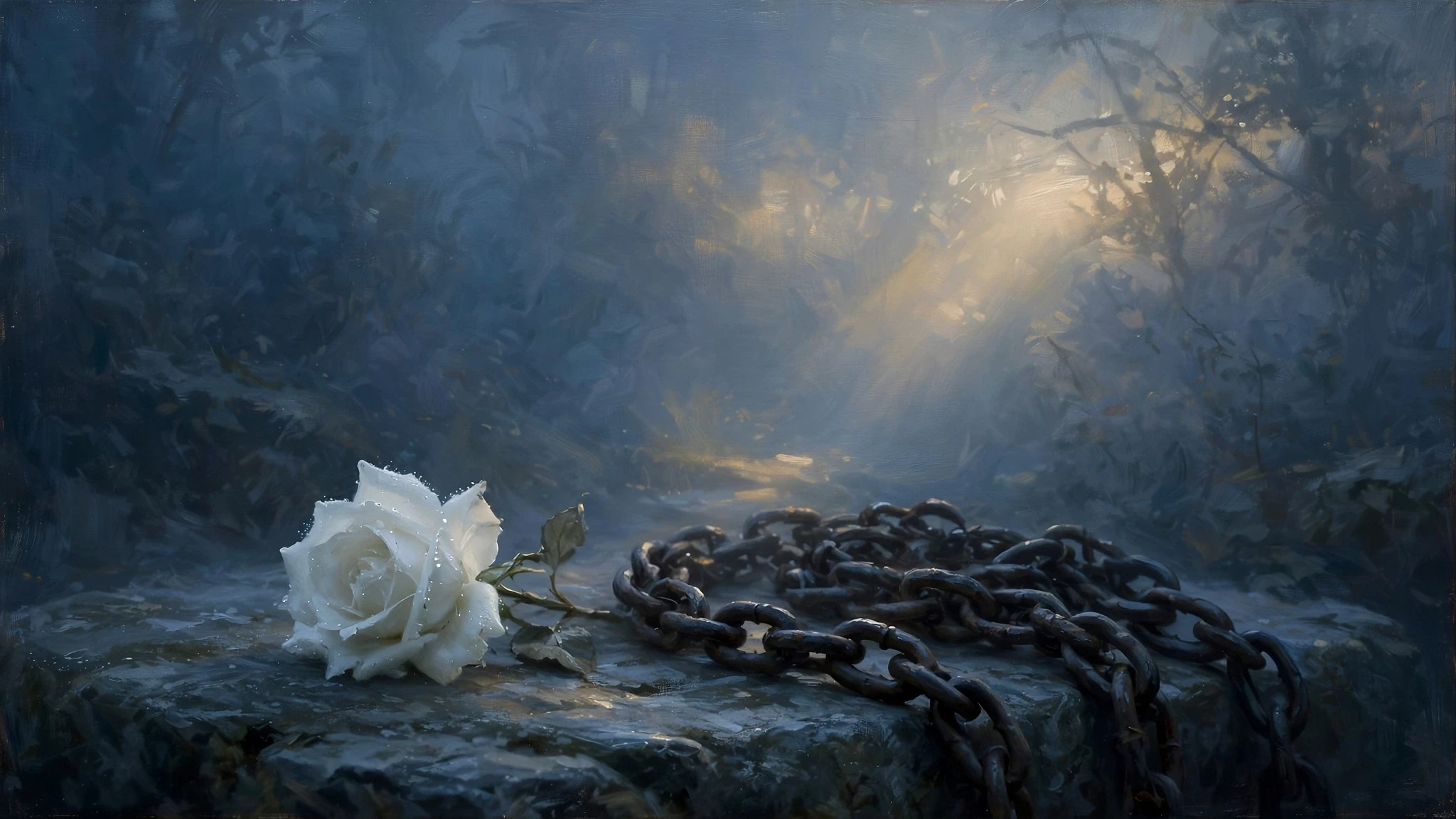
In this pair, Death is a cut, not a slow fade. The card in the Rider Waite Smith deck pictures a skeleton in armor on a white horse, with a black banner carrying a white rose, a fallen king, a child who looks up without fear, and the sun rising between two towers. An ending and a dawn share one frame here, and that balance is the card in full. Death does not ask the querent to feel glad about the close. It asks the querent to stop acting as if the close has not happened. A lease that has ended, a job that has been quit, a bond that has been left, or a habit that has been dropped all need a clear close, with a date and a fact tied to it, so the querent can stop living in a half ended state.
In practice, Death can point to a divorce finalized, a business closed, a debt paid off, a habit ended after a health scare, or a family pattern broken by a clear decision. The reader should pin the close to a fact: a date, a document, a last day, or a signed paper. That fact stops the querent from drifting back into the old pattern when the first hard day arrives. The white rose on the banner links Death to the Fool, who also carries a white rose, and that shared symbol points to clean intent through change. The close is not revenge. It is a clean cut, made with clear intent, so a new chapter can begin.
An Illustrative Example: Marcus and a Gambling Habit
This example is illustrative, not a real person's story.
Marcus, 42, asked about money and pulled Death in the present position and the Devil in the past position, with the Eight of Swords as a clarifier. The Devil matched a gambling habit that had cost him 18,000 dollars over two years, with late night sessions, hidden accounts, and a growing sense of shame. Death matched the close he had made three weeks earlier: he had told his wife, closed the betting accounts, handed over the bank cards, and joined a support group that met twice a week. The Eight of Swords matched the feeling of being trapped, even after the accounts were closed, because the habit still lived in his thoughts.
The reading did not praise Marcus and stop there. It gave him a plan for the first 90 days, which is a common length for a new habit to take hold. He kept a daily log with three lines: money spent, urges felt, and who he called when an urge came. He set a weekly budget with his wife, with cash for food and a shared account for bills, and he gave his wife the login for the bank. He also set a rule for the hardest time, late evening, when he would walk for 20 minutes and call a friend from the support group. After 90 days, the log showed 84 days with no gambling, six days with urges that passed, and a savings balance that had grown by 1,200 dollars. The pair had served as a map. The Devil had named the chain, Death had named the cut, and the log had made the freedom measurable. For any addiction, a reader should point the querent toward a doctor, a counselor, or a qualified support service, because tarot can support a choice but cannot replace professional help.
Love, Toxic Bonds, and Freedom
In love, this pair most often points to a toxic or addictive bond that needs a clear end. A querent may be tied to a partner by fear, money, a shared home, or a pattern of jealousy and control, and the pair asks for a clean close rather than another round of promises. A reader should name that possibility plainly, without turning the reading into a judgment of the querent or the partner. The pair can also point to a bond that survives, because one person ends a habit, a pattern, or a controlling behavior, and the other person meets that change with honesty and help. The difference is usually action: a habit ended with a plan, a counselor, and a date to review, rather than a promise made in the heat of a fight.
A single querent may find this pair points to a pattern of choosing the same kind of partner, a type that feels exciting at first and controlling later, and the close is a pattern, not a person. A querent in a new bond may find it points to an early warning, such as jealousy, control over money, or pressure to cut off friends, and the reading should name that warning in plain terms. Safety deserves a plain question, because a toxic bond can reach a home, money, or physical safety. When a querent is unsafe, the reader should direct them to a trusted person, emergency help, or a local support service, and should not try to answer a safety problem with cards alone.
Career, Money, and Debt
At work, this pair can describe a job that pays well but costs too much in health, time, or dignity, and a close that frees the querent to find work that fits. A querent may be tied to a job by a salary, a title, or a fear of starting over, and Death points to the moment when the cost becomes clear and the close becomes possible. The practical work is to list the costs and the benefits in numbers: pay, hours, health, time with family, and the skills that survive the job. A reader should help the querent write that list, because a job that looks good on paper can look very different when the full cost is written down.
With money, this pair can point to a debt that has become a chain, a spending habit, or a financial tie to a person who controls the money. The Devil names the attachment, Death names the close, and the best reading asks for numbers: total debt, monthly payment, interest, and a date to be free of the debt. Professional financial advice is not a job for a reader. A querent with debt, tax, or legal decisions should see a qualified adviser. Tarot can help a querent face a money pattern and pick a next step, but it is no substitute for a professional plan. A reader who claims otherwise has crossed a line.
Reversed Cards and Reading a Strong Pair Well
Reversals add a useful warning to this pair. Death turned over with the Devil upright can mean a close that is pushed back, a habit kept, a toxic bond held past its time, or a debt that grows because the querent will not face it. The Devil still names the chain, but the close stays thin until the querent names it. The Devil turned over with Death upright can mean a chain loosening, a habit weakening, or a querent who has already started to break free. Two turned over cards can mean a stuck state, where an ending is denied and a chain is doubted, and the querent may need hands on help, a counselor, or a support group instead of another reading.
Three habits help a reader handle this pair with care. First, name the attachment in one sentence, with a fact tied to it, such as an amount, a date, or a pattern. Second, name the close in one sentence, with a date and a plan for the days after. Third, point the querent toward professional help when the issue is addiction, debt, or safety, because tarot is a tool for reflection, not a replacement for care. The combinations hub gives more pair cases, the beginners guide explains the Major Arcana, and the reversed meanings page explains a careful way to read a reversed card.
When a chain has held you too long, a clear reading is the kindest kind. Name the chain, name the close, and give yourself a plan for the first 90 days after. That short written plan turns two strong cards into freedom you can measure, day by day, with support from people who know how to help. A reader can check the plan with you, ask the questions that matter, and help you pick the step that suits your life. First 3 minutes FREE — every time, for every reading, with all advisors.
A One-Card Tarot reading is a steady next step: ask which attachment you are ready to end and who can support you after the close.
Frequently Asked Questions
Does the death and devil tarot combination mean something bad will happen?
No, it does not mean something bad will happen. It points to an attachment that needs a clear end, such as a toxic bond, a habit, or a debt, and the close that follows can bring freedom. The pair is strong, but it is a map out of a pattern, not a prediction of harm.
Is this pair a sign to leave a toxic relationship?
It can be a sign to leave a toxic relationship, especially when the bond involves control, fear, or a pattern that repeats. The useful next step is a safety plan, a trusted person to call, copies of key documents, and professional support, because a safe exit needs a plan, not only a card pull.
What does Death reversed with the Devil upright mean?
Death reversed with the Devil upright often points to a close that is being resisted, such as a habit kept or a toxic bond held past its time. The reading usually points to naming the ending first, with a date and a plan, because the chain stays tight until the close is faced.
Can this combination point to breaking a habit?
Yes, it often points to breaking a habit, such as gambling, overspending, or another pattern that has become a daily cost. The reading works best with a daily log, a budget, a support group, and a 90 day plan, and with professional help for any addiction.
How should I read this pair in a career question?
In a career question, read the Devil as a job or pattern that pays well but costs too much in health or time, and read Death as the close that frees the querent. List the pay, hours, and health costs in numbers, then match the surviving skills to a next step with a start date.
Last updated: November 12, 2026
