
Stadium Dream Meaning: Crowds, Pressure, and Applause
When a Stadium Dream Meaning Turns on Being Watched
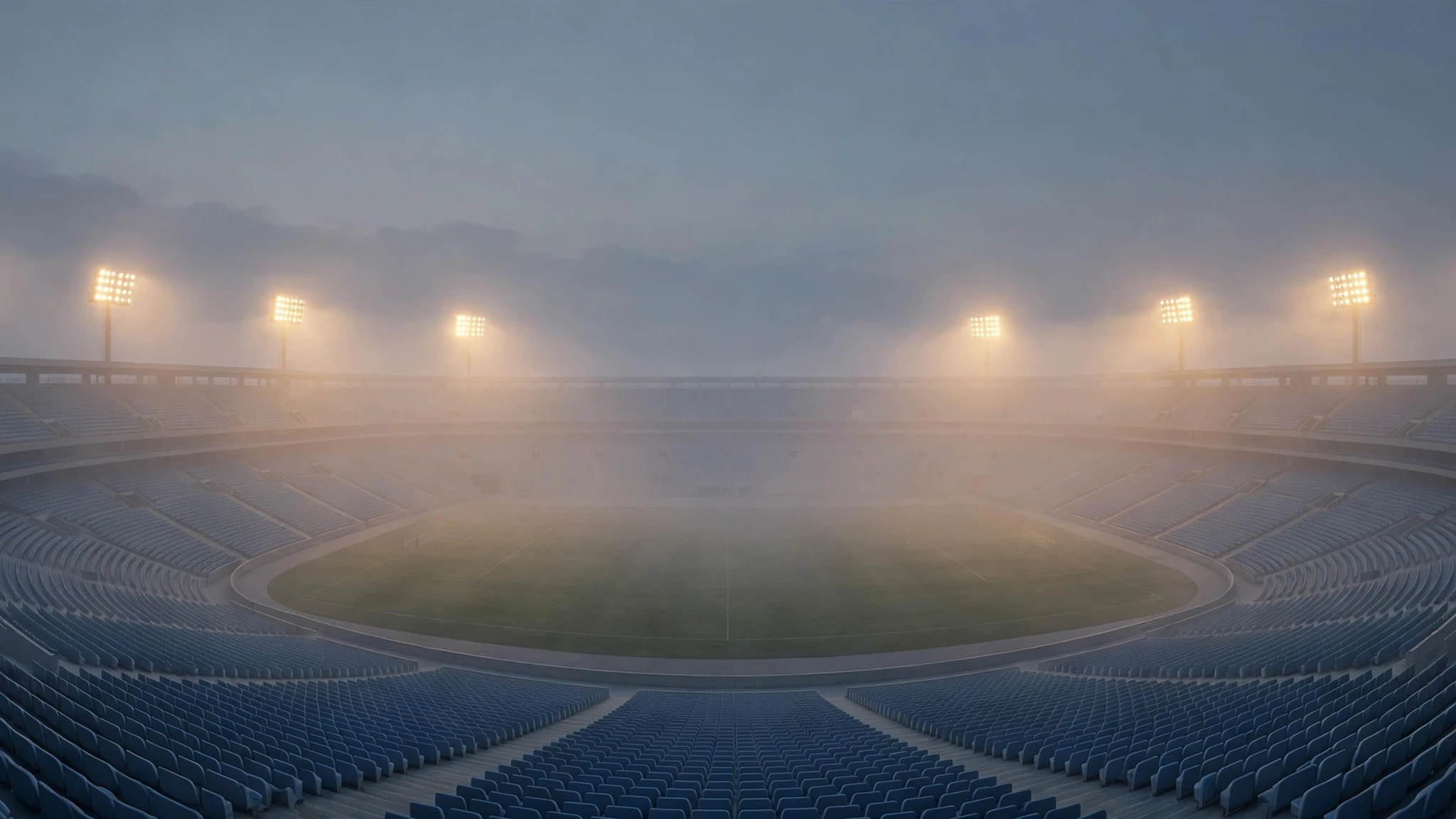
A stadium dream meaning often begins with scale. The seats rise in every direction, the field looks far away, and thousands of faces turn toward the same point. You may be on the field, in the stands, backstage, or lost in a tunnel under the seats. Wherever you stand, the dream is about an audience. A stadium is a place built for watching, and dreaming of one usually means some part of your waking life feels watched, judged, or celebrated in public. The crowd can be cheering, silent, restless, or hostile, and that mood is the most honest part of the dream.
Stadiums are also places of belonging. Fans wear the same colors, sing the same songs, and share the same hope for a result. A dreamer who sits happily in a crowd may be longing for that kind of belonging, or enjoying a period when they finally feel part of a group. A dreamer who feels alone in a full stadium may be surrounded by people in waking life and still feel unseen. The size of the place makes the feeling bigger. A small worry about a presentation can become a stadium full of eyes. A small win can become a roar that fills the whole bowl.
Notice your position first. Players, performers, and speakers are on the field, exposed and expected to perform. Fans are in the stands, safer but still part of the noise. Staff move in tunnels and corridors, doing important work that few people notice. Each position tells a different story about how visible you feel right now, and whether that visibility feels like a gift or a burden.
On the Field, In the Stands, or Lost Underneath
Dreaming that you are playing in a stadium often points to a test you cannot hide from. The game may be one you know, like soccer or football, or a game with rules you do not understand. If you know the rules and play well, the dream may reflect confidence that is growing, even if waking life still feels uncertain. If you do not know the rules, or you are wearing the wrong shoes, or the ball never comes to you, the dream may reflect a role you have been given without enough preparation. The question to carry into the day is simple: what performance is coming up, and what one piece of preparation would help you feel ready?
Dreaming that you are watching from the stands is quieter but just as telling. You may be cheering, bored, anxious, or trying to find your seat. A seat high up, far from the field, can mean distance from a decision or a situation that matters to you. You can see everything and change nothing. A seat close to the field can mean you are deeply involved, even if you are not the one playing. If you cannot find your seat, the dream may point to a group, a team, or a family gathering where your place feels unclear. Look for the ticket in the dream. A ticket with a clear seat number can mean you do belong, and the worry is about finding the way in, not about being excluded.
Dreaming that you are lost under a stadium, in tunnels, locker rooms, or stairwells, points to the work behind the show. Locker rooms are about preparation, nerves, and private talk before a public moment. Tunnels are about the walk from private to public, from safety to exposure. If you are stuck in a tunnel while the crowd roars above, you may be delaying a step that would put you in view: sending an application, publishing work, speaking up in a meeting, or telling someone how you feel. The dream is not scolding you. It is showing you the hallway you are standing in.
A fourth position is the empty stadium. You walk across a vast field with no crowd, no noise, and rows of empty seats. This version can feel peaceful or lonely, and the difference matters. A peaceful empty stadium often follows a busy period, when the dreamer needs quiet after too much attention. A lonely empty stadium can point to a win that no one noticed, or an effort that went uncelebrated. If you dreamed of an empty stadium, ask yourself what applause you were hoping for, and whether you can give yourself some of that recognition first.
What the Crowd Is Doing
The crowd is the emotional weather of a stadium dream. A cheering crowd usually means encouragement, either real encouragement you have received or the encouragement you wish you had. It can also mean a part of you is finally cheering for yourself, after a long period of self criticism. Notice whether the cheering feels warm or overwhelming. Warm cheering is support. Overwhelming cheering can mean attention that feels too loud, too fast, or too public for comfort.
A silent crowd is a different signal. Thousands of people watching in silence can feel heavier than booing. Silence often points to a fear of judgment, especially in a situation where feedback has not arrived yet. You have sent the email, given the talk, or submitted the work, and now you wait. The dream turns that waiting into a silent bowl of faces. If the crowd in your dream was silent, the waking task may be to stop reading silence as rejection. Silence after a performance often means people are thinking, busy, or unsure what to say, not that they disapprove.
A booing or angry crowd is the hardest version, and it deserves a gentle reading. It rarely means people actually dislike you. It more often means you fear a public mistake, a bad review, or a group turning against you. It can also reflect a real conflict with a group, a team, or an online audience. If the booing felt personal, write down who you imagined was in the crowd. Were they strangers, coworkers, family, or people from school? The faces you assign to the crowd usually point to the group whose opinion weighs on you most.
A crowd that leaves early, or a stadium that empties while you are still playing, points to a fear of losing attention or support. It can show up when a project loses momentum, when friends drift, or when a relationship cools. The dream may be asking you to notice who stayed. Even in an emptying stadium, someone often remains: a friend in the front row, a coach on the sideline, a single fan clapping. That remaining figure can be worth more than the crowd that left.
The Size of the Place Is Part of the Message
Real stadiums are enormous, and their size is worth remembering when you read a dream. The Narendra Modi Stadium in Ahmedabad, India, has an official capacity of about 132,000 people, making it one of the largest stadiums in the world by capacity, and it reopened in 2020 after a complete rebuild on the site of the old Motera Stadium. A place that holds more than a hundred thousand people is not a room. It is a small city built around a single event. When your mind chooses a stadium as a setting, it is choosing the largest possible audience, and that choice usually means the stakes feel large to you, even if the waking event looks small from outside.
Think about scale in your own life. A class presentation, a job interview, a family dinner, or a post online can all feel stadium sized when they matter to you. The dream is not exaggerating for fun. It is showing you how big the moment feels inside. Naming the real event, and its real size, can shrink the stadium back to a room. Write the event down in one sentence, then write the worst realistic outcome and the most likely outcome beside it. Most stadium dreams soften once the real event has a name and a realistic size.
The field itself also matters. A green, well kept field can mean a fair chance, a clear task, and a level playing surface. A muddy, torn up field can mean a task that feels unfair, messy, or harder than it should be. A field with no lines, no goals, and no markings can mean a goal that has not been defined yet. If your dream field had no goalposts, ask yourself what a goal would look like in the waking situation. A clear goal turns a vague performance into a task you can prepare for.
An Illustrative Example: The Speech in the Big Bowl
This example is illustrative, not a real person's story.
A man named Daniel, a 29 year old teacher, dreamed he had to give a speech on the field of a huge stadium. He stood at midfield with a microphone, and the stands were full. He opened his mouth and no sound came out. Then he looked down and saw he was holding a lunchbox instead of notes. The crowd began to murmur, and he felt heat rise in his face. He woke up sweating, even though the room was cool.
In waking life, Daniel had been asked to speak at a school assembly about a new reading program. He liked the program and believed in it, but he had never spoken to more than a classroom before. He had prepared notes, but he had not practiced them out loud, and he kept picturing the whole school watching him. The lunchbox in the dream was a clue his waking mind had missed: he had been preparing the speech during lunch breaks, in short bursts, and the work felt unfinished and mixed up with ordinary tasks. Once he saw that, he changed his plan. He practiced the speech three times out loud, timed it, and put the notes on cards he could hold comfortably. He also asked a colleague to sit in the front row, so he would have one friendly face to look at. The assembly went well, and he later said the dream had been kinder than he first thought. It had shown him exactly what to fix: practice out loud, and find one friendly face.
Turning a Stadium Dream Into a Next Step
Start by naming the audience. Write down the real people whose opinion feels most present right now. Then write down the real event, if there is one, and the date it happens. If there is no event, write down the area of life where you feel most watched: work, family, friendship, or public life online. A stadium dream without a named audience stays huge. A stadium dream with a named audience becomes a room with people you know.
Next, check your preparation. Stadium dreams often arrive when preparation is thin, not when ability is missing. Ability and preparation are different things. You can be good at something and still feel shaky if you have not rehearsed, rested, or gathered what you need. Pick one preparation step and do it early. Rehearse out loud. Lay out what you will wear. Write the first sentence of the talk, the email, or the conversation. A small concrete step can change the feeling of a whole dream.
Then check your seat. Are you trying to play when you would rather watch, or watching when you want to play? Some stadium dreams point to a role mismatch. A person who loves doing the quiet work may be pushed onto a stage they do not want. A person who wants to lead may be stuck in the stands, watching others decide. If your dream position felt wrong, consider what position would feel right, and what small move would take you toward it. You do not have to change your whole life to change your seat. Sometimes one conversation, one application, or one honest sentence is enough.
If the crowd in your dream was harsh, be careful about carrying that harshness into the day. A dream crowd is not a real verdict. It is a picture of a fear. Test it against facts: who has actually criticized you, what did they actually say, and what have other people said that was kind or fair? Keep the kind facts beside the fearful ones, so the dream does not get the last word.
For a simple next step, try a One-Card Tarot reading and reflect on one small preparation step that would make your next public moment feel steadier.
To place the dream in context, browse the dream dictionary for related entries, read a dream of school if the audience felt like classmates or teachers, and look at a dream of being naked when exposure was the strongest feeling. A dream of a house can help when the stadium felt like home territory, and a dream of running away can help when the strongest urge was to leave the field. First 3 minutes FREE — every time, for every reading, with all advisors.
Frequently Asked Questions
What does it mean to dream about playing in a stadium?
It often points to a public test or performance in waking life, such as a presentation, interview, or event where you feel watched. If you played well, it may reflect growing confidence; if you did not know the rules, it may point to a role you took on without enough preparation.
What does a cheering crowd in a dream mean?
A cheering crowd usually reflects encouragement, either real support you have received or support you wish you had. Warm cheering suggests you feel backed by others, while overwhelming cheering can mean attention that feels too loud or too public for comfort.
What does a silent crowd in a stadium dream mean?
A silent crowd often reflects waiting for feedback after you have done something visible, such as sending work or giving a talk. It usually points to a fear of judgment rather than real disapproval, and it helps to test the silence against facts instead of reading it as rejection.
Why did I dream about an empty stadium?
An empty stadium can mean two opposite things, so the feeling matters. A peaceful empty stadium often follows a busy period and suggests you need quiet, while a lonely one can point to effort or a win that went unnoticed.
What does it mean to dream about not finding your seat in a stadium?
Not finding your seat often points to an unclear place in a group, team, or gathering. It can mean you belong but have not found your way in yet, so it helps to name the group, ask where you fit, and look for one clear point of entry.
Last updated: November 12, 2026
