
Shadow Dream Meaning: The Parts You Hide
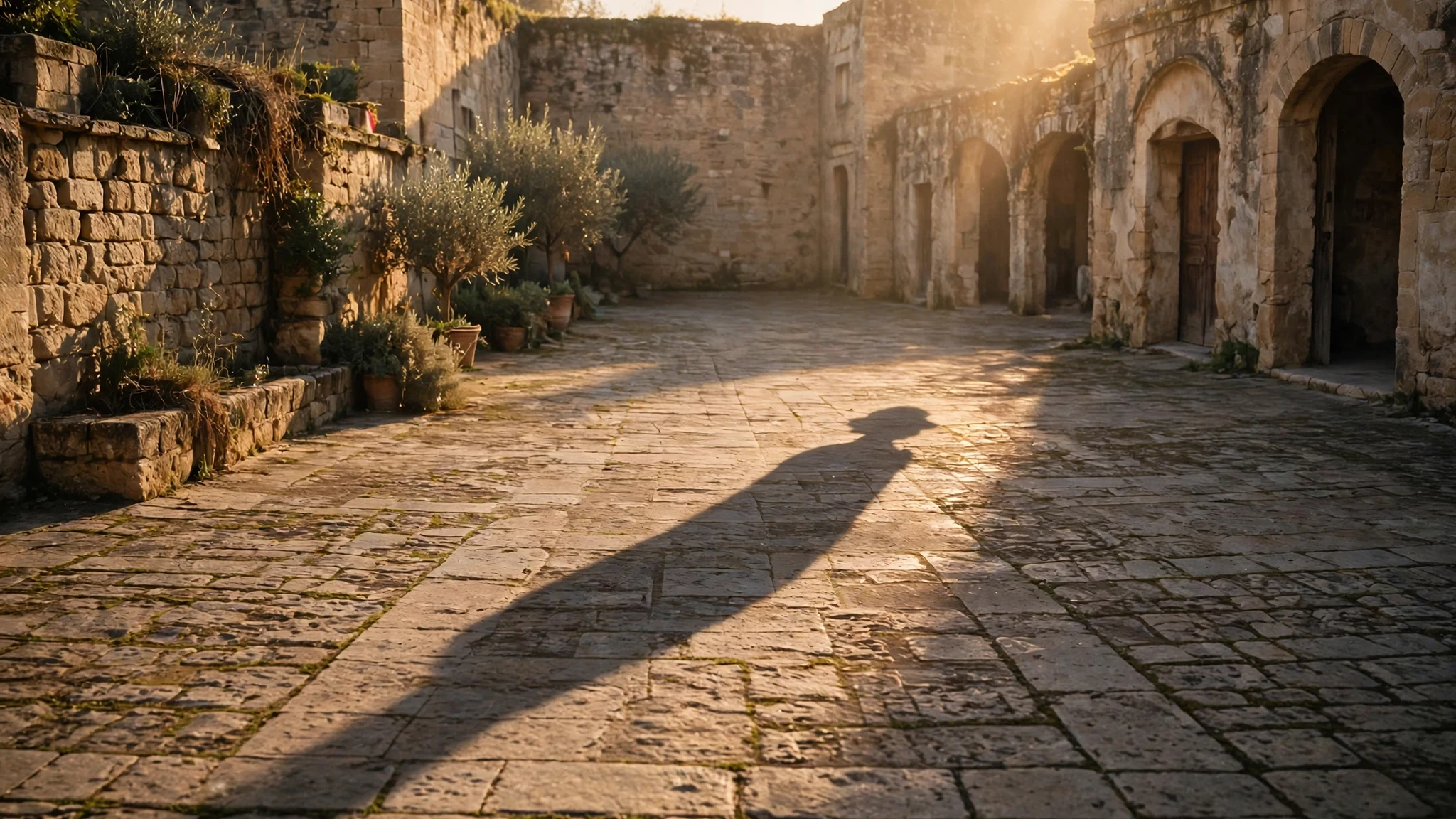
Your Shadow Follows You for a Reason
A shadow dream meaning starts with a fact so ordinary that it is easy to miss: everyone has a shadow, and it follows you everywhere the light falls. In a dream, a shadow can be your own, cast on a wall or a road, or it can be a figure made of shadow, following you, watching you, or standing where a person should be. Either way, the dream is usually about the parts of yourself, or the parts of your life, that stay out of the light. That idea has a name in psychology. Carl Jung called the hidden, repressed aspects of the personality the shadow: the traits, emotions, and drives that the conscious self finds unacceptable, and pushes out of awareness. Jung described the shadow as the thing a person has no wish to be, and he believed it could hold not only anger, envy, or fear, but also positive qualities, such as creativity, spontaneity, and strength, that were suppressed because they did not fit the image a person wanted to present. The shadow, in Jung's view, does not disappear when it is ignored. It influences behavior from beneath consciousness, often by projection, where a person sees in others the very traits they refuse to acknowledge in themselves. That is the framework for the sections below, and it explains why a shadow dream can feel so personal. Links through the text connect this page to the wider dream meanings collection. The shadow in the dream is not a stranger, and it is not a monster. It is a part of you, waiting to be seen.
Your Own Shadow, Longer or Darker Than Usual
Dreaming of your own shadow, cast long across a road, dark against a wall, or moving a moment before you do, is a common and often unsettling image. In waking life, it can point to a part of yourself that has grown larger than you realized, or to a feeling that is following you even when you try to leave it behind. A shadow that is longer than you are tall can reflect a reputation, a past mistake, or a family pattern that feels bigger than you. A shadow that is darker than usual can reflect a mood, a grief, or a worry that has deepened. A shadow that moves on its own, a half second before you, can reflect a feeling that you are not fully in control of yourself, or a habit that acts before you have decided to act. The setting adds detail. A shadow on a sunny road can point to something that follows you even in good times. A shadow in a dark room can point to something you sense but cannot see clearly, a piece of darkness that has not yet taken shape. A shadow that disappears when you turn to look at it can point to a feeling that vanishes under direct attention, which is often a sign that it was a fear rather than a fact. The useful question is simple: what follows you? Name the worry, the habit, the memory, or the part of yourself that keeps pace with you, and you have named the shadow.
A Shadow Figure Following You
A dream where a shadowy figure follows you, a dark shape with no face, like a ghost without a story, or a figure you cannot quite see, is one of the most common shadow dreams, and it usually points to something you are avoiding. The figure has no face because the thing it represents has no name yet: a feeling you have not identified, a truth you have not spoken, a decision you have not made, or a part of yourself you have not acknowledged. The distance matters. A shadow figure far behind you can point to something from the past that is still following you, like an old grief, an old mistake, or an old version of yourself. A shadow figure close behind you can point to something urgent, something that is catching up with you now. A shadow figure that keeps pace with you, never closer and never further, can point to a long standing pattern, something that has been with you for years and has become part of the landscape. Notice whether you ran, walked faster, or stopped. Running can reflect avoidance, and the dream may be showing that running is not working. Stopping and turning around is the turning point in many shadow dreams, because the figure often changes when it is faced: it may shrink, speak, or reveal a face. That change is the dream's way of showing that the unknown becomes less frightening once it is named.
A Shadow That Speaks, or Has Your Face
Some shadow dreams go further: the shadow speaks to you, or it turns and you see that it has your face, as if you were looking in a mirror. These are powerful dreams, and they usually point to a direct encounter with a hidden part of yourself. A shadow that speaks often says something worth writing down, because the words tend to be the ones you have been avoiding: a need, an anger, a truth about a relationship, or a wish you have dismissed as selfish or silly. A shadow with your face can point to a part of yourself you have disowned: a younger you, an angrier you, a more creative you, a more vulnerable you, or a you that wants something different from the life you are living. How the dream felt is the best guide to what it means. If seeing your own face in the shadow felt frightening, the dream may be pointing to a part of yourself you have judged harshly. If it felt like recognition, or even relief, the dream may be showing that you are ready to accept that part. Jung's idea of shadow work is relevant here: the work is not to destroy the shadow, but to bring it into awareness, to acknowledge it, and to integrate it, so that it stops driving your behavior from underneath. A dream where your shadow has your face is often the beginning of that work, not the end of it, and it is worth taking seriously and gently.
Shadows, Light, and the Time of Day
The light in a shadow dream is as important as the shadow itself, because a shadow only exists where light falls. A shadow at noon, when the sun is high and shadows are short, can point to something small and close, a minor worry or a brief mood. A shadow at dawn or dusk, when the light is low and shadows stretch long across the ground, can point to something that feels larger than it is, a fear magnified by the angle of the light, or a transition, a time of change when shadows naturally grow long. A shadow in artificial light, under a streetlamp or a hallway bulb, can point to something in your work or public life, a role, a reputation, or a situation that follows you after hours. A shadow with no light source at all, a darkness that has a shape, can point to a fear that feels sourceless, a dread without a clear cause, and the work there is to find the light, to name the cause, so the shadow has a shape you can work with. Notice also whether the shadow was cast by you, by someone else, or by something you could not see. A shadow cast by another person can point to their influence on you, or to a trait of theirs that you have taken on. A shadow cast by an unseen object can point to a hidden cause, something affecting you that you have not yet identified. Light and shadow always come together, and the dream is usually about both, not only the dark part.
The Shadow as Protection, Not Only as Threat
It is easy to read every shadow dream as a warning, but shadows are not only frightening. A shadow can be shelter: the shade of a tree on a hot day, the cool side of a building, a place to rest out of the sun. In a dream, a shadow that shelters you can point to a need for rest, privacy, or protection, and it can reflect a healthy boundary, a place where you can step out of the spotlight and be yourself. A shadow that hides you can point to a wish for invisibility, which may be wise after a period of being too visible, or may be avoidance, depending on the feeling. A shadow that you step into deliberately, to cool down or to think, can reflect a choice to pause, to reflect, or to wait for the right moment. The difference between a sheltering shadow and a threatening one is usually in the feeling and the choice. If you chose the shadow, and it felt cool and safe, the dream may be showing you a need for rest that you should honor. If the shadow chose you, following you without your consent, the dream may be pointing to something you have not chosen and need to face. Shadows are not good or bad on their own. They are the shape of light interrupted, and the dream is asking you to look at what is interrupting the light, and whether it is protecting you or blocking you.
An Illustrative Example: Alex and the Shadow on the Stairs
This example is illustrative, not a real person's story. Alex is 40, a sales manager who prided himself on being calm, reasonable, and easy to work with, and who had recently been passed over for a promotion in favor of a colleague he considered less experienced. In the dream, Alex was walking up the stairs to his office, and his shadow on the wall was not matching his movements. It was larger than him, its shoulders were hunched, and its fists were clenched. Alex stopped and stared at it. The shadow stopped too, and then it turned its head and looked at him, and Alex saw that it had his face, but angrier, younger, and more hurt than he had ever allowed himself to look. He woke up with his heart pounding. Weighed against his waking life, the dream was a portrait of the anger Alex had refused to feel. He had told himself, and everyone else, that he was fine about the promotion, that the other person deserved it, that he was not the kind of man who got angry about work. But he was angry, and the anger had not disappeared because he refused it. It had gone into the shadow, where it grew larger, hunched, and clenched, waiting on the stairs to his office, the place where the disappointment had happened. The shadow having his face was the dream's way of saying that the anger was his, not someone else's, and that it belonged to the younger Alex too, the part of him that had always wanted to be recognized and had learned to hide that want behind calm. The heart pounding on waking was the feeling breaking through at last. Alex did something brave after the dream. He told his manager, honestly and without blame, that he had been disappointed and wanted to understand what he needed to do to be ready next time. The conversation was uncomfortable, but it was also clarifying, and it led to a development plan he had never asked for. The dream did not make him less calm. It showed him that his calm had been hiding an anger, and that the anger, once named, could become fuel instead of a shadow on the wall.
Working With a Shadow Dream
A shadow dream asks for honesty, and it rewards it. Start by writing down what the shadow looked like, what it did, and how you felt. Then ask the question that Jung's idea points to: what part of myself have I been refusing to see? Be specific. Is it anger, envy, grief, ambition, creativity, vulnerability, or a wish you have called selfish? Then ask where that part shows up in your life, not in the dream but while you are awake. Do you see it in other people, and judge them for it? Do you feel it in yourself, and push it away? Do you act on it without realizing, and then wonder why you did? The next step is small and practical: give the shadow a name, a few minutes of attention, and a safe place to be heard. That might be a journal entry, a conversation with a trusted friend, a walk where you let yourself feel what you feel without fixing it, or a creative act that lets the hidden part speak. Shadow work is not about becoming a different person. It is about becoming a whole person, one who can see the parts that were hidden and choose what to do with them, instead of being driven by them in the dark. If a shadow dream leaves you shaken, the practical steps help: sleep, eat, talk to someone, and look at the situation in daylight. If shadow dreams keep returning, it may help to talk to a counselor, because the work of integration is easier with support. A brief session with a reader can help you name the part the shadow is showing you. First 3 minutes FREE — every time, for every reading, with all advisors.
For a simple next step, try a One-Card Tarot reading and reflect on what the card says about the part of you waiting in the shadow and what it needs to be seen.
Frequently Asked Questions
What does it mean to dream of a shadow?
A shadow in a dream usually points to hidden parts of yourself or your life, such as feelings, traits, or truths kept out of sight. Carl Jung called these hidden aspects the shadow, and he believed they could hold anger and fear as well as creativity and strength that were suppressed.
What does it mean if a shadow is following you in a dream?
A shadow figure following you often points to something you are avoiding, such as a feeling, a truth, or a decision that has not yet been named. The distance matters: a figure far behind can point to the past, while one close behind can point to something urgent and catching up with you now.
What does it mean if your shadow has your face in a dream?
A shadow with your face often points to a direct encounter with a hidden part of yourself, such as a younger, angrier, or more creative version of you. It can show that you are ready to acknowledge that part, and the feeling in the dream helps tell whether you have judged it harshly or are ready to accept it.
Is a shadow dream a bad sign?
Not necessarily. A shadow dream can be frightening, but it is often useful, showing you something you need to see. Shadows can also shelter and protect, so a shadow that felt cool and safe may point to a need for rest or privacy rather than a threat.
What is shadow work, and does it relate to shadow dreams?
Shadow work is the process of bringing hidden parts of yourself into awareness, acknowledging them, and integrating them, rather than letting them drive your behavior from underneath. A shadow dream is often the beginning of that work, showing you the part that is waiting to be seen.
Last updated: November 12, 2026
