
Elf Dream Meaning: Mischief, Magic, and Quick Help
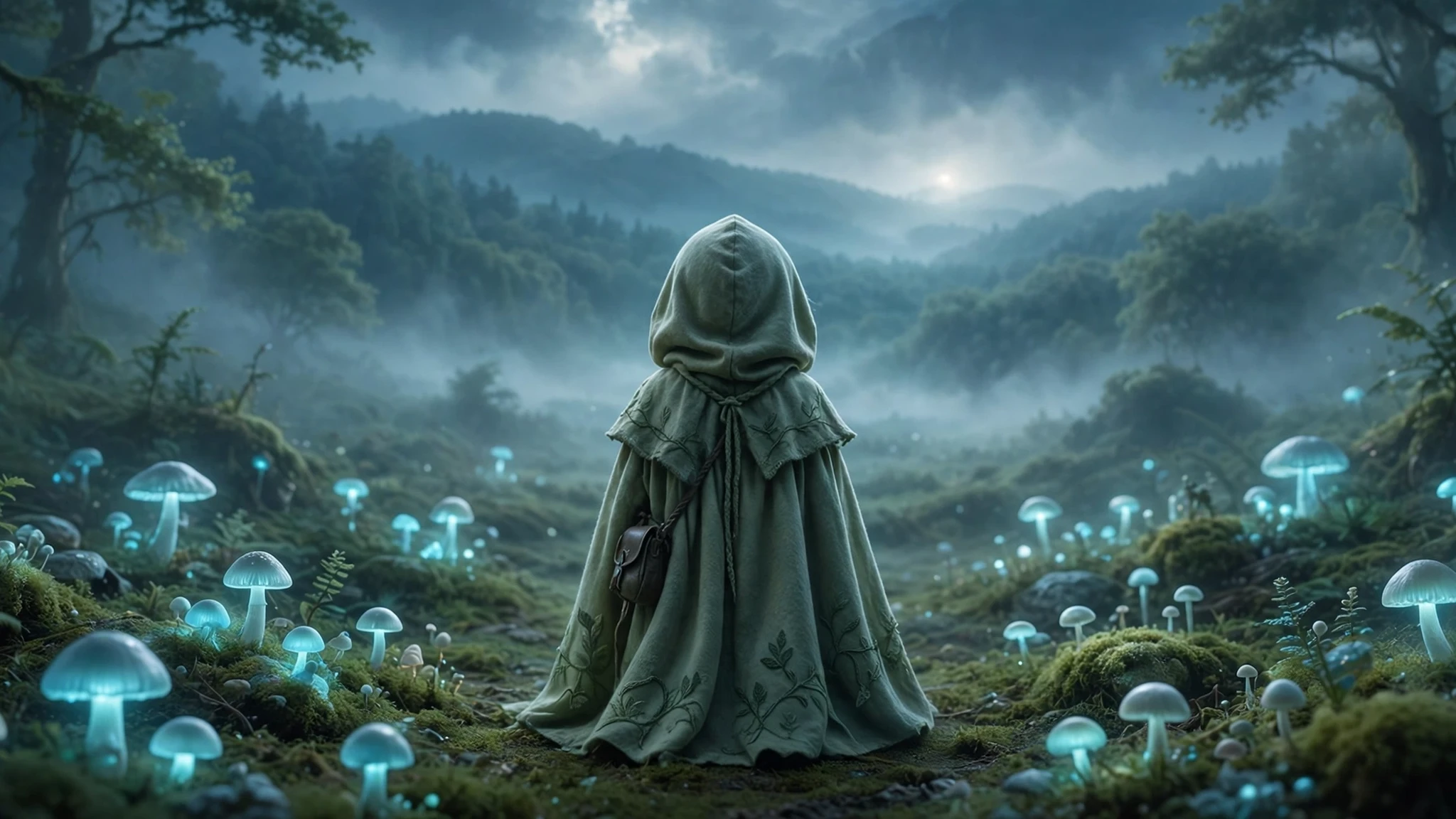
An Elf Dream Meaning Moves Fast and Light
An elf dream meaning moves fast, light, and a little sideways. Elves in stories are quick, clever, graceful, and hard to pin down. They help, they tease, they vanish, and they return when you least expect them. When an elf appears in your dream, the dream is often about speed, cleverness, or a solution that arrives from an unexpected direction. It can also be about mischief: a small trick, a playful disruption, or a rule bent just enough to make life more interesting.
Start with the kind of elf in your dream, because elves are not one figure. A workshop elf, busy with tools and toys, points to helpful work done quickly and quietly. A forest elf, tall and graceful among trees, points to nature, patience, and a longer view of time. A small house elf, tidying at night, points to care that happens while you sleep or while you are away. A trickster elf, hiding objects or playing jokes, points to mischief, either yours or someone else's, that needs noticing. The kind of elf changes the reading completely, so name it before you interpret it.
Also notice the elf's mood. A kind elf who offers help is different from a sly elf who watches from a corner, and both are different from an angry elf who feels insulted or ignored. Elves in folklore often react strongly to respect and disrespect. A dream elf who feels respected may offer a gift, a clue, or a shortcut. A dream elf who feels slighted may hide things, cause small troubles, or simply leave. That sensitivity can mirror a waking relationship where small courtesies matter more than grand gestures.
Workshop Elves, Forest Elves, and Tricksters
Workshop elves are the most familiar in modern life, thanks to Christmas stories. They work in a busy shop, making toys, wrapping gifts, and keeping a workshop running through long nights. A workshop elf in a dream often points to a busy period where many small tasks need doing, and where help arrives in small, quick forms. It can appear before the holidays, during a deadline, or when a project needs many hands. If you dreamed of workshop elves, ask what small tasks are piling up, and who could help with them in quick, practical ways. The dream may be suggesting that you do not need a grand rescue. You need a few quick hands.
Forest elves are taller, quieter, and older in feeling. In Tolkien's stories, elves are the Firstborn, the eldest children of Iluvatar, who do not age after reaching maturity, who are immune to disease, and who can be slain in battle or die of grief, but not of old age. Their spirits, in Tolkien's lore, go to the Halls of Mandos. That long view gives forest elves a different tone in dreams. A forest elf often points to patience, memory, and a perspective that stretches beyond the current problem. If you dreamed of a forest elf, ask what the situation would look like in a year, or in ten years. The elf may be inviting you to step back from urgency and see the longer path.
House elves, and the small helpers of folklore, work at night while the household sleeps. They tidy, repair, and watch over a home, and they often leave if they feel unappreciated. A house elf in a dream can point to the invisible work that keeps a home running: cooking, cleaning, remembering birthdays, calming children, or holding a family together. If you dreamed of a house elf, ask whose invisible work you have not thanked lately, including your own. A small thank you, a shared chore, or a rest for the person who does the night work can be the waking version of respecting the elf.
Trickster elves are the most unsettling and the most useful. They hide keys, move objects, mix up messages, or lead you down a wrong path for a laugh. In a dream, a trickster elf often points to a small confusion in waking life: a misread message, a lost item, a plan that went sideways for no clear reason. It can also point to your own mischief, a playful part of you that wants to break a rule, skip a boring task, or surprise someone. If the trickster felt funny, let it be funny. If it felt cruel, ask whether a joke in waking life has gone too far, or whether someone's teasing is starting to hurt.
Elves in Old Stories and in Tolkien
Elves have changed a great deal across stories, and that change helps explain why they feel so flexible in dreams. In early Norse and Germanic folklore, elves, called alfar, were powerful, beautiful beings linked to nature, light, and sometimes to illness or misfortune. They were not small or cute. They were to be respected, left offerings, and approached with care. Over time, in English folklore and in children's stories, elves became smaller, more playful, and more likely to help with shoes, toys, and household work. The shoemaker's elves, who work at night and leave when they are given clothes, are a famous example of that smaller, kinder elf.
Tolkien reshaped the elf again for modern readers. His elves are tall, wise, skilled in craft and song, and bound to the world until its end. They do not grow old, they remember ages of history, and they often feel sorrow at the passing of time and the fading of their world. That version of the elf brings a feeling of beauty mixed with sadness, and a sense that some things cannot be kept forever. A dream elf with that tone may be about a beautiful period of life that is ending, a place you loved that has changed, or a skill you want to preserve before it fades.
Christmas elves add yet another layer. They are cheerful, busy, and focused on giving. A Christmas elf in a dream outside the holiday season can point to a wish to give, to be generous, or to be part of a joyful effort. It can also point to holiday stress, if the dream arrived during a busy December. Notice the season in your waking life, not just the season in the dream. A Christmas elf in June may be about a gift, a surprise, or a wish for lightness in a heavy month.
Quick Help, Clever Ideas, and Small Mischief
The most practical reading of an elf dream is quick help. Elves do not usually offer grand, slow solutions. They offer a shortcut, a clever tool, a timely word, or a small repair that makes the larger task possible. If your dream elf helped you, ask what quick help would actually help in waking life. It may be a ten minute call, a borrowed tool, a template, a ride, or a piece of advice from someone who has done this before. Elves remind us that help does not have to be large to be valuable. A small, timely help can change a whole day.
Clever ideas are the second gift of an elf dream. Elves in stories solve problems sideways, not by force. They find a hidden door, a different route, a word that opens a lock, or a tool that fits a strange task. If you dreamed of an elf, ask whether you are trying to solve a problem by force when a clever sideways step would work better. That can mean asking a different person, trying a different time, breaking a task into smaller pieces, or using a tool you already own in a new way. The elf is a picture of lateral thinking, and the dream may be inviting you to think that way.
Small mischief is the third thread, and it deserves honesty. A little mischief can be healthy. It can mean play, humor, and a refusal to take every rule too seriously. It can also mean a boundary being tested, a promise being bent, or a truth being hidden behind a joke. If your dream elf played a trick, ask whether the trick felt kind or unkind, and whether a similar trick is happening in waking life. A kind trick can be a reminder to play more. An unkind trick can be a warning that someone, including yourself, is using humor to avoid a real conversation.
An Illustrative Example: The Elf Who Moved the Keys
This example is illustrative, not a real person's story.
A man named Chris, a 40 year old delivery driver, dreamed a small elf kept moving his keys. He would put them on the table, turn around, and they would be on the shelf. He would put them in his pocket, and they would be in his shoe. He was annoyed at first, then he started laughing, and the elf laughed too. He woke up smiling, which surprised him, because he had gone to bed stressed.
In waking life, Chris had been losing small things for weeks: keys, a phone charger, a work badge. He blamed himself for being careless, and he felt frustrated every morning. The elf in the dream gave that frustration a face, and a laugh. When Chris talked about it with his wife, they made a simple change: a small bowl by the door for keys, badge, and charger, emptied and refilled in the same order each night. The losing stopped, and the morning stress eased. Chris later said the dream had helped because it turned a self criticism into a joke, and a joke into a simple system. The elf had not fixed the problem. It had shown him that the problem was small, fixable, and worth laughing at.
What to Do After an Elf Dream
Write down the elf's kind, mood, and action. Workshop, forest, house, or trickster? Kind, sly, angry, or playful? Helping, hiding, guiding, or teasing? Those three notes usually carry the meaning. Then ask what quick help, clever idea, or small mischief fits your waking week. Pick one, and try it in a small way. Borrow a tool. Ask a quick question. Play a small, kind joke. Fix one small thing that has been nagging you.
If the elf felt wise and old, give yourself a longer view. Write down the problem, then write down how it might look in a year. That simple shift can calm urgency and reveal a patient step you had missed. If the elf felt busy and cheerful, check your workload. Are there small tasks you could share, delegate, or finish in quick bursts? A workshop runs on many small hands, not one exhausted pair.
If the elf felt sly or unkind, check for a small confusion or a joke that has gone too far. Look for a lost item, a misread message, or a teasing remark that stung. Clear the confusion with a direct question, and set a boundary if the teasing needs one. Elves in folklore respect clear boundaries and honest thanks, and people do too.
For a simple next step, try a One-Card Tarot reading and reflect on one clever, sideways step that could make a stuck task easier this week.
For context, browse the dream dictionary for nearby symbols, read a dream of a forest when the elf lived among trees, a dream of a garden when the elf worked near home, a dream of a fairy for a related winged figure with a different kind of magic, and a dream of a dwarf for a related small figure who works slower and deeper. First 3 minutes FREE — every time, for every reading, with all advisors.
Frequently Asked Questions
What does it mean to dream about an elf helping me?
An elf helping you often points to quick, practical help arriving from an unexpected direction, such as a short call, a borrowed tool, or timely advice. It suggests you do not need a grand rescue, just one small, well timed piece of help.
What does a trickster elf in a dream mean?
A trickster elf often points to a small confusion, a lost item, a misread message, or a playful part of yourself that wants to break a boring rule. If the trick felt kind, it may invite more play; if it felt cruel, it may point to teasing that has gone too far.
What does it mean to dream about a forest elf?
A forest elf often reflects patience, memory, and a longer view of time, especially in the Tolkien tradition where elves do not age and remember ages of history. It can invite you to step back from urgency and ask how a situation might look in a year.
What does a Christmas elf in a dream mean?
A Christmas elf often points to giving, joy, and busy, cheerful work, especially near the holidays. Outside the holiday season, it can reflect a wish to be generous, to surprise someone, or to bring lightness into a heavy month.
Is an elf dream about mischief in my life?
It can be, but mischief in an elf dream is usually small and playful, not serious wrongdoing. It may point to a joke, a hidden object, or a rule bent for fun, and the feeling in the dream helps tell whether the mischief is kind, harmless, or in need of a boundary.
Last updated: November 12, 2026
