
Dreaming About a Demon Meaning
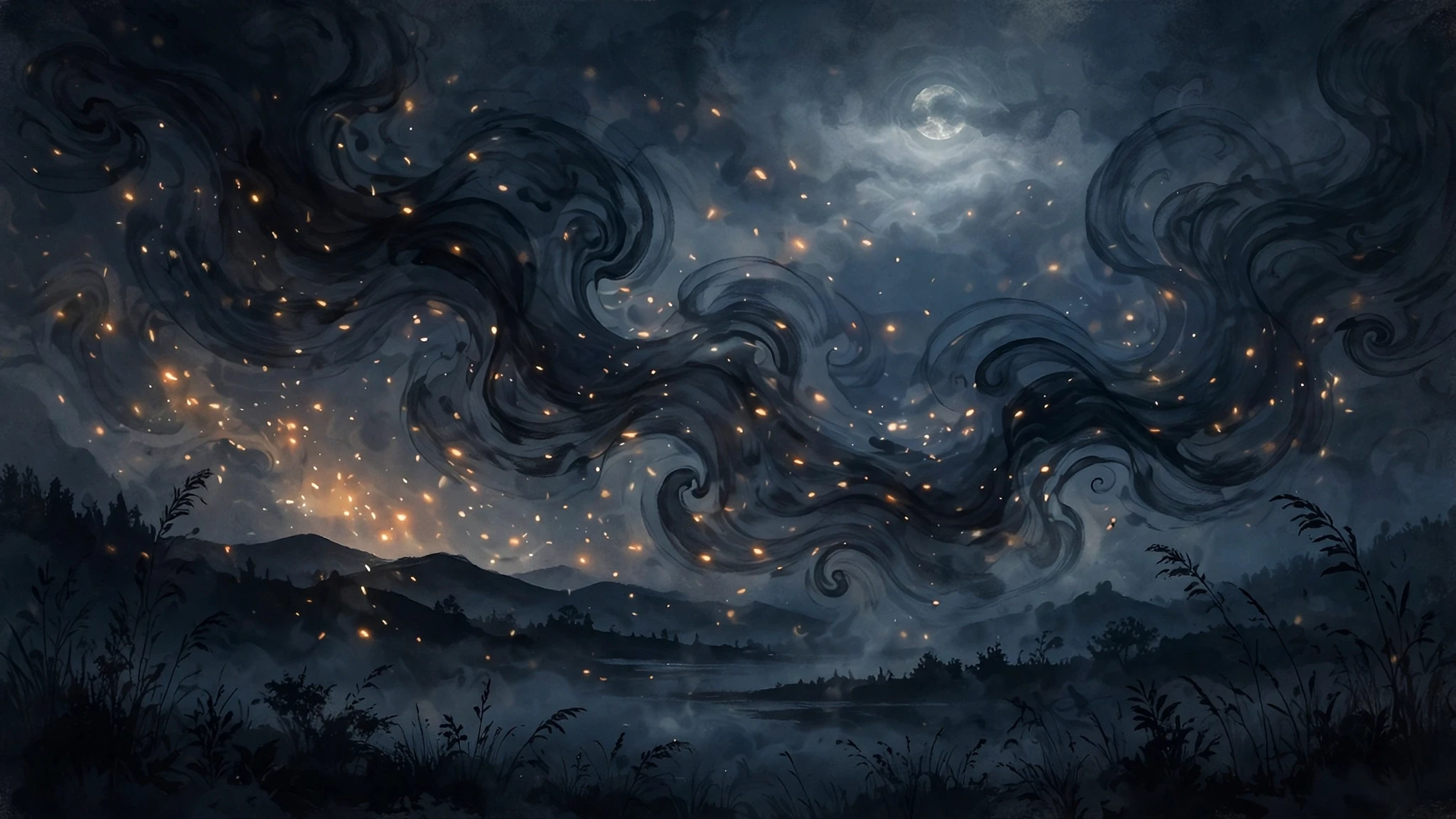
Dreaming About a Demon: Fear, Shadow, and Inner Conflict
Dreaming about a demon is one of the most frightening dreams a person can have, and the fear itself is the first thing to take seriously. The dreamer often wakes with a racing heart, a sense of being watched, or a feeling that something in the room has not yet left. That fear is real even though the demon is a dream image, and the page below treats it with respect rather than dismissing it. A demon dream does not prove that an evil force is present, and it does not predict harm. It shows that something in waking life feels threatening, shameful, or out of control, and the mind has given that feeling the most frightening shape it knows.
Demon figures appear in stories from many cultures, and the details differ from place to place. In some traditions a demon is a tempter, in others a tormentor, and in others a shadow being that feeds on fear itself. The dream version borrows from whichever stories the dreamer knows, from films and books as much as from religion, so two people can dream of very different demons and still be dreaming about the same kind of inner pressure. This page works through the most searched variations, then keeps the psychological reading and the spiritual reading clearly labeled in separate sections, so that a reader can take what helps and leave the rest without confusion.
Being Chased by a Demon in a Dream
The chase is the most common demon dream, and its structure is simple: a dark figure follows, the dreamer runs, and the distance never seems to grow. One reading is that the dreamer is avoiding something in waking life, and the demon is the shape of the avoided thing. It may be a conversation that keeps getting postponed, a debt, a habit, a memory, or a decision that feels too large to face. The longer the avoidance lasts, the larger and faster the figure in the dream tends to become, which matches how avoided problems grow in the mind.
A second reading focuses on the act of running itself. A person who spends the day running from one demand to the next, with no time to stop and think, may dream of a chase simply because the body is tired of fleeing. In that case the demon may stand for pressure in general rather than one specific problem. The useful question after this dream is what the dreamer would do if they stopped running. In many chase dreams, turning to face the figure changes the whole scene, and in waking life the same turn, a single honest conversation or a single decision, often shrinks the fear to a size that can be handled.
Being Attacked by a Demon in a Dream
An attack dream feels more direct than a chase, because the threat makes contact. The demon may grab, bite, scratch, or hold the dreamer down, and the dreamer may feel unable to move or speak. One common reading links this to a conflict that has already arrived rather than one that is still approaching. It may be a relationship that has turned hostile, a workplace situation that feels unsafe, or a health worry that has moved from the background to the center of attention. The physical contact in the dream mirrors the feeling that the problem can no longer be ignored.
Sleep paralysis deserves a mention here, because it overlaps with this dream in a way that many people do not know about. During the transition between sleep and waking, the body can remain still while the mind wakes, and that mismatch can produce a sense of a presence in the room, pressure on the chest, and an inability to move. Researchers describe this as a normal sleep phenomenon, and it often explains dreams of a dark figure pressing down on the dreamer. Knowing this does not remove the fear, but it gives the fear a name and a cause that can be checked, and that alone helps many people sleep more calmly afterward.
Fighting a Demon and Winning in a Dream
A dream in which the dreamer fights back and wins is one of the more hopeful variations, and it often arrives at a turning point. The dreamer may pray, shout, push the figure away, or simply refuse to be afraid, and the demon shrinks, burns away, or leaves. One way to read it is that the dreamer has lately stood up for themselves in waking life, perhaps by drawing a line, walking away from a damaging habit, or finally saying out loud what had gone unsaid for months. The win in the dream echoes a win that is already taking shape, even if the dreamer has not yet called it that.
The fight can also be read as a struggle with a part of the self. A person trying to quit a habit, to forgive someone, or to let go of a long held grudge may dream of a battle with a dark figure, and winning the battle can reflect the choice to keep going rather than to give in. The dream does not promise that the struggle is over. It shows that the dreamer has the capacity to meet it, and that capacity is often the most useful thing the dream can reveal.
A Demon in Your House in a Dream
A demon inside the home is a particularly upsetting variation, because the home in dreams so often stands for safety and privacy. The figure may stand in a hallway, sit in a corner, or move from room to room, and the dreamer often feels that the house is no longer their own. One reading points to tension inside the household itself: a conflict with a partner, a parent, or a housemate that has made home feel less safe. Another reading points to a private worry that has moved into the center of daily life, such as a secret, a shame, or a fear that the dreamer carries from room to room.
The location inside the house can add detail. A demon in the bedroom may connect with rest, intimacy, or vulnerability. A demon in the kitchen may connect with daily care and nourishment. A demon at the front door may connect with a boundary between the private self and the outside world. None of these readings names a specific person or event on its own. They narrow the search, and the dreamer can then ask which room of life currently feels least safe, and what would make it feel safe again.
A Demon That Looks Like Someone You Know
Some demon dreams are harder to forget because the demon wears a familiar face. It may look like a partner, a parent, a friend, or the dreamer themselves, and the shock of recognition is often worse than the fear of the figure. One reading is that the dream is picturing a side of that person that feels frightening or hurtful, such as anger, coldness, or control, without claiming that the person is evil. The dream separates the frightening behavior from the whole person by giving it a monstrous shape, which can make it easier to look at honestly.
When the demon looks like the dreamer, the reading turns inward. It may point to guilt, shame, or a part of the self that the dreamer dislikes, such as a temper, a selfish choice, or a secret wish. This is the classic shadow image in depth psychology, and it appears in dreams precisely because the waking mind refuses to look at it directly. The dream does not accuse the dreamer. It shows a part of the self that needs attention, and attention given kindly is usually more useful than attention given with fear.
A Psychological Reading of Dreaming About a Demon
Psychology treats the demon as an image of inner conflict, not as a visitor from outside. Freud saw dreams as a stage where forbidden wishes and fears show up wearing disguises, and a demon suits anger, guilt, or a desire the dreamer cannot admit to. Jung gave the same material another name, the shadow, the corner of the personality where everything a person refuses to own gets stored, and a demon is one of the oldest pictures for that stored material. Either way, the figure is not an intruder. It is a rejected part of the dreamer asking, in the only language dreams speak, to be noticed.
Sleep science offers a plainer account. Bad dreams grow more frequent when life is stressful, after a shock, during illness, or when sleep itself is broken, and what the nightmare shows usually carries the same emotional color as the day behind it. Someone who has spent the day frightened, shamed, or stretched too thin is more likely to meet a frightening figure at night, and that figure takes its shape from films, stories, and images the dreamer already carries. The practical use of this view is to turn toward the daytime pressure, the row, or the feeling left unsaid, and to work on that in waking life instead of wrestling the figure in the dream.
A Spiritual Reading of Dreaming About a Demon
Spiritual readings of demon dreams differ widely, and they depend on the tradition the dreamer belongs to. In some Christian traditions, a demon dream is read as a spiritual attack, and the response is prayer, blessing of the home, or counsel from a trusted religious leader. In some folk traditions, a demon dream is read as a warning that a negative influence has entered the life of the dreamer, and the response is cleansing, protection, or a change of company. In other traditions, the demon is read as a teacher in a frightening disguise, a figure that appears to force a reckoning with something the dreamer has avoided.
These readings are matters of faith and tradition, not proven facts, and this page presents them as beliefs rather than as claims about what happened. A dreamer who holds a spiritual view of the dream can act on it in the way their tradition teaches, whether that is prayer, ritual, or counsel, and that action itself often brings relief. A dreamer who does not hold that view can still use the psychological reading, and the two readings do not need to compete. The fright is genuine in either reading, and the way back to calm in waking life stays the same: give the pressure a name, shrink it where you can, and lean on someone else when it feels bigger than you can hold alone.
What Changes the Meaning of a Demon Dream
Six modifiers change this dream more than any others. The first is the demon appearance. A horned figure points to classic images of evil, a shadow with no face points to a fear that has no name yet, and a familiar face points to a specific relationship. The second is the action. Chasing points to avoidance, attacking points to a conflict that has arrived, and talking points to a message the dreamer needs to hear. The third is the place. A house points to private life, a church or sacred place points to questions of belief and guilt, and an open road points to a journey or a decision. The fourth is the ending. Escaping points to a wish for distance, fighting and winning points to growing strength, and being caught points to a problem that can no longer be postponed. The fifth is the feeling on waking. Terror points to a live fear, anger points to a conflict, and calm after the dream points to a fear that is already fading. The sixth is repetition. A demon that returns across many nights usually points to a pattern rather than a single event, and the pattern is the real subject of the dream.
Other pages can put this dream in context. The being chased dream meaning page covers pursuit without a demon figure, and comparing the two can show whether the fear is about the pursuer or about the act of fleeing. The ghost dream meaning page covers a frightening presence that is less hostile, and the zombie dream meaning page covers a figure that stands for numbness and loss of will. The full dictionary is gathered in the dream meanings hub, and the death dream meaning page covers the related theme of endings and fear of loss.
What to Do After a Demon Dream
The morning after a frightening dream, look after the body before trying to make sense of it. Drink some water, breathe slowly, get into daylight, and take a short walk. Those small steps steady a racing heart sooner than any meaning you might find. When the body has settled, get the dream into plain words on paper. Note what the figure looked like, what it did, where it appeared, and how the dream ended. Then look for the waking situation that carries the same feeling, and find one step that would make it smaller. Often the step is simple: talk it out, say sorry, draw a line, or finally make the call you have been putting off.
If demon dreams keep coming back for weeks, or if they arrive alongside broken sleep, daytime worry, or memories of a frightening event, talking with a doctor or a counselor is worth doing. Frequent nightmares can be a sign of stress or trauma that needs care, and there are proven approaches that reduce them. Seeking that help is not a sign of weakness. It is the practical response to a mind that is asking, night after night, for something to change.
If the dream left you shaken, a cooler look at the conflict behind it can help, and a short reading can offer a steady angle and a clear next step. First 3 minutes FREE — every time, for every reading, with all advisors.
A One-Card Tarot reading can be a gentle next step: draw a card and think about the fear, conflict, or boundary behind the demon.
Frequently Asked Questions
What does dreaming about a demon mean?
Dreaming about a demon usually points to fear, inner conflict, or a part of yourself that feels rejected or out of control. The exact reading depends on what the demon does and where it appears. A chasing demon often points to avoidance, while a demon in the house often points to tension in private life.
Is dreaming about a demon a bad omen?
A demon dream is not a prediction of harm or a sign of bad luck. It is a picture of fear or conflict that you already carry, and it can be useful because it names the pressure. Many people find the dream stops once the waking issue behind it is addressed.
What does it mean to be chased by a demon in a dream?
Being chased by a demon in a dream often means you are avoiding something in waking life, such as a conversation, a decision, or a memory. The longer the avoidance lasts, the larger the figure tends to become. Facing the avoided issue, even in one small step, often shrinks the fear.
Can a demon dream be caused by sleep paralysis?
Yes, in some cases. During the shift between sleep and waking, the body can stay still while the mind wakes, which can create a sense of a presence in the room and pressure on the chest. Researchers describe this as a normal sleep phenomenon. Knowing about it helps many people feel calmer, though it does not remove the fear on its own.
What should I do after a frightening demon dream?
First, calm the body with water, daylight, and slow breathing. Then write the dream down and ask what waking situation carries the same feeling. If the dreams repeat for weeks or disturb your sleep, speak with a doctor or a counselor, since frequent nightmares can be a sign of stress that deserves care.
Last updated: November 12, 2026
