
Alpaca Dream Meaning: Calm Strength and Patience
What an Alpaca Dream Meaning Usually Points To
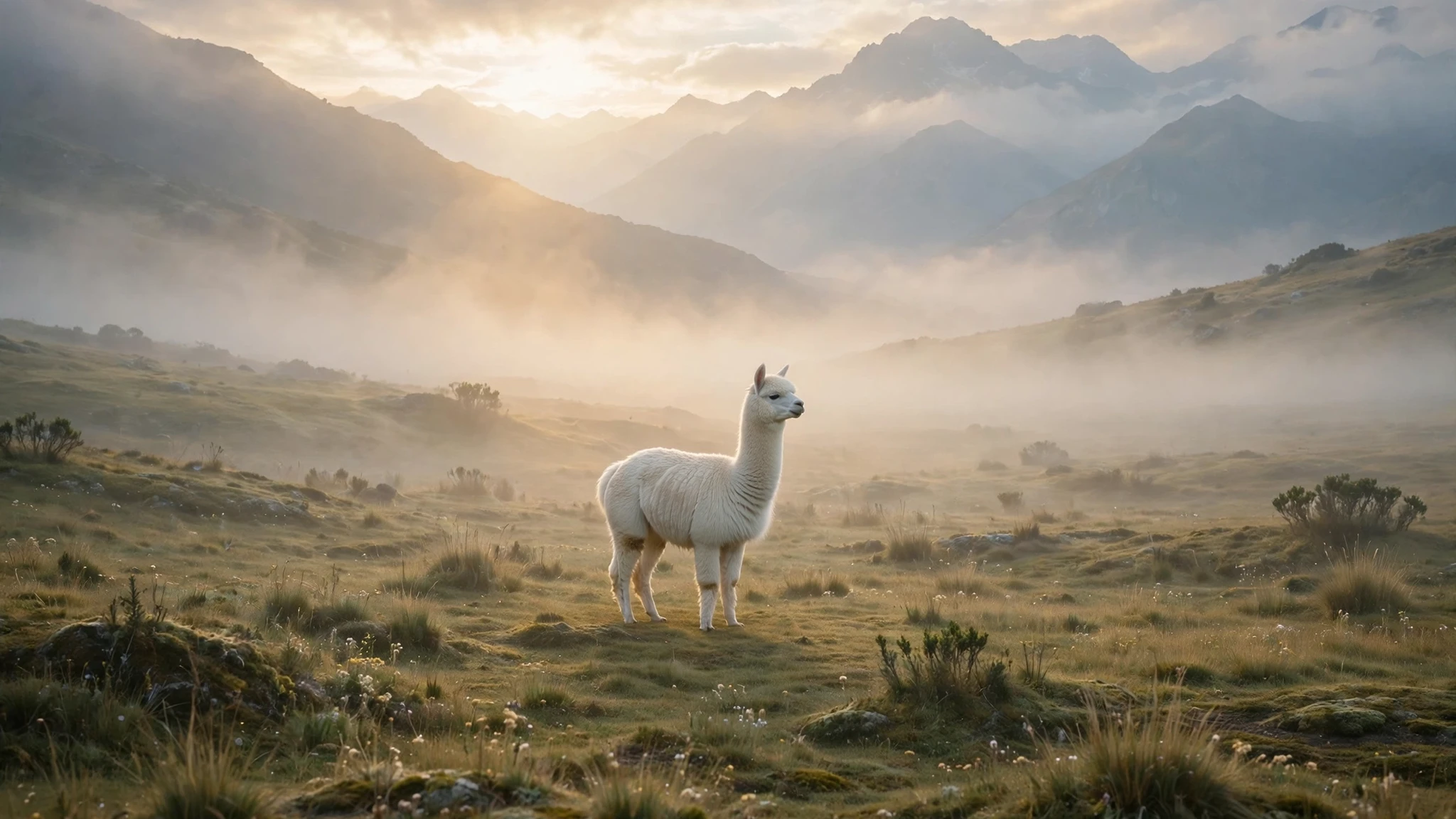
An alpaca dream meaning usually points to gentle strength, patience, and progress that does not need to shout to be real. Alpacas are quiet herd animals from the high Andes, and in a dream they often show up when your waking life asks for the same qualities: stay steady, stay kind, and keep going at a pace you can sustain. The animal does not charge or hunt. It grazes, watches, and moves with the herd. When it appears in your sleep, the question is often simple. Where in your life would a calmer, steadier approach work better than force?
That calm tone matters because alpacas are not dramatic dream animals. A lion dream can feel like a warning. A snake dream can feel like a threat. An alpaca dream tends to feel soft, a little odd, and easy to dismiss in the morning. Do not dismiss it too fast. The softness is the message. Many people dream of an alpaca during a period of slow work: saving money a little at a time, healing after a hard season, learning a skill, raising a child, or rebuilding trust. The dream reflects effort that is real even when it is not visible yet. It also reflects a need for comfort. Alpaca fiber is famously soft and warm, and the animal itself looks like a cloud with legs. In dream language, that softness can point to a need for warmth in a relationship, a gentler routine, or kinder self talk.
Context changes the reading. A calm alpaca standing in a field is not the same as an alpaca spitting, running away, or standing alone far from the herd. The setting, the color, the number of animals, and your feeling in the dream all shape the meaning. A white alpaca can suggest clarity or a fresh start. A brown or gray alpaca can suggest grounded, practical work. A herd can suggest belonging. A single alpaca can suggest independence or loneliness. Pay attention to what you were doing with the animal. Were you feeding it, petting it, chasing it, or simply watching it? Each action points to a different part of your waking life.
The Real Alpaca Behind the Dream
To read the dream well, it helps to know the real animal. The alpaca is a domesticated South American camelid, related to the llama and the camel. It was domesticated in the Andes of Peru, Bolivia, Ecuador, and northern Chile, typically at altitudes of 3,500 to 5,000 meters above sea level. There are no wild alpacas. Its wild ancestor is the vicuna, a smaller camelid of the same high country. Alpacas have been kept by people for at least 5,000 to 6,000 years, mainly for fiber. That long history matters in a dream. This is not a wild animal that wanders in by accident. It is an animal shaped by human care, patience, and daily routine.
An adult alpaca stands 81 to 99 centimeters at the shoulder and usually weighs 48 to 90 kilograms. Its average lifespan is 15 to 20 years, and the longest lived alpaca on record reached 28 years. Huacaya alpacas, with their dense, fluffy coats, make up about 90 percent of the population. The other main type, the suri, has long, silky locks that hang like dreadlocks. Alpacas are herd animals. They graze on grass and hay, they form communal dung piles, and they hum to each other as a form of communication. They also spit, usually at each other rather than at people, when they feel crowded, annoyed, or pushed during feeding. They are not used as pack animals the way llamas are. They are smaller, softer, and bred for fiber, not for carrying loads.
Those facts give the dream its texture. The high altitude home points to endurance in thin air, to doing steady work in a place that asks a lot of you. The herd points to community and safety in numbers. The fiber points to warmth, comfort, and work done by hand over time. The hum points to quiet communication, the kind that happens without raised voices. The spit points to a boundary, a small, clear signal that enough is enough. When you bring those details into the reading, the dream stops being a random cute animal and starts sounding like a description of your own week.
Common Alpaca Dream Scenarios and What They Suggest
A calm alpaca grazing in a field is the most reassuring version of this dream. It often appears when you are doing the right thing slowly. You may be paying down debt, studying for a qualification, recovering your health, or building a business one client at a time. The grazing alpaca says the work counts even when no one applauds it. Notice the field. A green, open field suggests room to grow. A dry or crowded field suggests you need more space, more rest, or better conditions for the work to thrive.
Petting or feeding an alpaca points to care and connection. You may be tending a relationship, a child, a pet, or a project that needs regular attention rather than grand gestures. If the alpaca leans into your hand, the dream often reflects trust that is growing. If it steps away, it may reflect a need for more patience. Do not chase the animal in the dream or in waking life. Let the trust build at its own pace. Feeding an alpaca hay or grass points to simple, practical care: food, rest, money for basics, time together.
An alpaca spitting at you is a boundary dream. In real life, alpacas spit when they feel crowded or when another alpaca pushes in at feeding time. In a dream, the spit can mean you have crossed a line, or someone has crossed yours. Ask who was crowding whom. Were you pushing for an answer too fast? Was someone at work or at home pushing you for more than you can give? The spit is not cruelty. It is a clear, small no. The useful response is to step back, give space, and return to the conversation when tempers have cooled.
A herd of alpacas suggests belonging and shared effort. You may be part of a team, a family, a faith group, or a circle of friends that holds you steady. A peaceful herd points to support you can lean on. A restless herd, with animals milling and humming loudly, can point to group tension or too many opinions pulling in different directions. If you felt safe inside the herd, the dream affirms your place in the group. If you felt lost inside it, the dream may point to a need to be seen as an individual, not only as one member of the crowd.
A lone alpaca far from any herd is a different signal. Alpacas are herd animals, and one on its own often looks out of place. That image can reflect loneliness, a move to a new place, a job where you feel like the only person who thinks as you do, or a decision you have to make alone. It can also reflect healthy independence. Some people dream of a lone alpaca after they have chosen a quieter path, left a noisy group, or started working for themselves. Let the feeling in the dream settle which of the two readings fits. Sadness points to a need for connection. Peace points to a choice that fits.
How Your Feeling in the Dream Changes the Meaning
The same alpaca can mean two different things depending on how you felt. Calm and warmth point to reassurance. You are on the right track, and the dream is confirming it. Joy and laughter point to a need for lightness. You may have been too serious, too focused on problems, and the dream brings back play. Curiosity points to learning. Something new deserves a closer look, without fear. Fear or disgust points to a boundary or a worry you have been avoiding. If the alpaca felt strange or threatening, ask what felt off. Was it too close? Too loud? Too many of them? The detail that bothered you is often the detail that matters.
Alpaca Dreams About Love, Family, and Friendship
In love, an alpaca often stands for a partner who is steady rather than flashy. If you are single, the dream can point to a wish for a calm, kind relationship rather than a dramatic one. It can also point to a person already in your life who shows care in quiet ways: cooking a meal, remembering a small detail, showing up on time. If you are in a relationship, a calm alpaca can affirm that the steady parts of the partnership matter more than the exciting parts. A spitting alpaca in a love dream can point to a small irritation that needs a kind, direct conversation before it grows. A herd can point to family approval, shared friends, or a community that supports the couple.
In family life, the alpaca often points to the daily work of care. Feeding, cleaning, listening, driving, waiting. None of it looks heroic, and all of it holds the family together. A dream of a baby alpaca can point to a child, a new baby in the wider family, or a new phase of parenting. A dream of an alpaca that will not eat can point to worry about someone you love who is struggling to take in help. The useful question is practical. What small, regular care does this person actually need, and can you offer it without taking over?
Alpaca Dreams About Work, Money, and Slow Progress
At work, the alpaca is a symbol of steady output. It does not sprint like a cheetah or guard like a dog. It grazes, it produces fiber, and it does the same useful work day after day. If you dream of an alpaca at work, ask whether your current pace is sustainable. Are you trying to sprint through a project that needs steady grazing instead? Are you comparing your slow progress with someone else's fast start? The alpaca suggests that slow progress is still progress, and that a calm routine can outlast a burst of effort.
An Illustrative Example: The Alpaca on the Hillside
This example is illustrative, not a real person's story.
An illustrative example can make the reading concrete. Imagine a woman named Dana, 41, who works as a school cook and has been saving for a small food truck for three years. She dreams she is walking up a hillside path in the Andes, though she has never been there. The air is thin and cool. A small herd of alpacas grazes beside the path. One white alpaca lifts its head, looks at her, and hums softly. Dana feels calm, not afraid. She sits on a rock and watches the herd for a long time. Nothing dramatic happens. She wakes feeling rested for the first time in weeks.
Read with the facts above, the dream fits her waking life closely. The hillside matches a long, slow climb toward a goal. The thin air matches work that takes effort. The herd matches the school kitchen team that supports her. The white alpaca matches a clear, simple wish: to do work she loves, at her own pace. The hum matches quiet communication at work, the kind that happens without meetings or speeches. The calm feeling is the key. The dream is not warning her to hurry. It is telling her the slow pace is the right pace, and that the goal is still there, grazing beside the path. In waking life, Dana could use the dream as a check. She might review her savings, confirm the next small step, and stop comparing her three year plan with faster stories online. The dream does not promise the truck. It affirms the method: steady, warm, and patient.
What to Do After an Alpaca Dream
Start with a short journal note the morning after the dream. Write the feeling first, then the scene, then the one detail that stayed with you. Was it the color, the spit, the herd, the hillside, or the sound? That detail is often the anchor for the meaning. Then ask three questions. What slow work am I doing right now? Where do I need more warmth or more space? What small, regular step would help this week? Keep the answers practical. A slow work question might lead to a 20 minute daily practice. A warmth question might lead to a call to a friend. A space question might lead to saying no to one extra commitment.
A dream dictionary can give you language, but your own life gives you the meaning. Use this alpaca dream meaning as a starting point, then test it against what you know, and compare it with a llama dream meaning when carrying a load is part of the picture. If a reading fits, it will feel true in your body, not only in your head. If it does not fit, set it aside. The dream meanings hub gathers related symbols, and a bear dream meaning can help when the alpaca dream touches on protection, while a mountain dream meaning can help when the climb itself is the point. A water dream meaning can help when the dream leaves you feeling washed clean or emotionally full.
If you want a quiet next step, talk it through with a reader who can listen to the details of your dream and help you sort what belongs to the dream and what belongs to your week. First 3 minutes FREE — every time, for every reading, with all advisors.
For a simple next step, try a One-Card Tarot reading and reflect on what steady, patient step the card suggests for this week.
Frequently Asked Questions
What does an alpaca dream meaning usually say about my life?
It usually points to gentle strength, patience, and steady progress. A calm alpaca suggests your slow work counts, while a spitting or distant alpaca points to a boundary or a need for space.
Is dreaming of an alpaca a good sign?
Most alpaca dreams feel reassuring, and they often appear during slow, worthwhile work. The dream is a good sign when you feel calm in it. If you felt uneasy, treat it as a prompt to check a boundary or a routine, not as a warning of bad luck.
What does it mean to dream of an alpaca spitting at you?
In real life alpacas spit when they feel crowded or pushed at feeding time. In a dream, the spit often means a boundary has been crossed, by you or by someone else, and a little space would help.
What does a herd of alpacas mean in a dream?
A herd points to belonging, teamwork, and shared support. A peaceful herd suggests you are held by your group. A restless herd can point to group tension or too many competing opinions.
Why do I keep dreaming of alpacas?
A repeating alpaca dream often points to a slow theme you have not finished addressing, such as saving, healing, learning, or rebuilding trust. Track when the dream repeats and look for the waking pattern that matches it.
Last updated: November 12, 2026
