
What Is Sound Healing? A Calm Beginner Guide
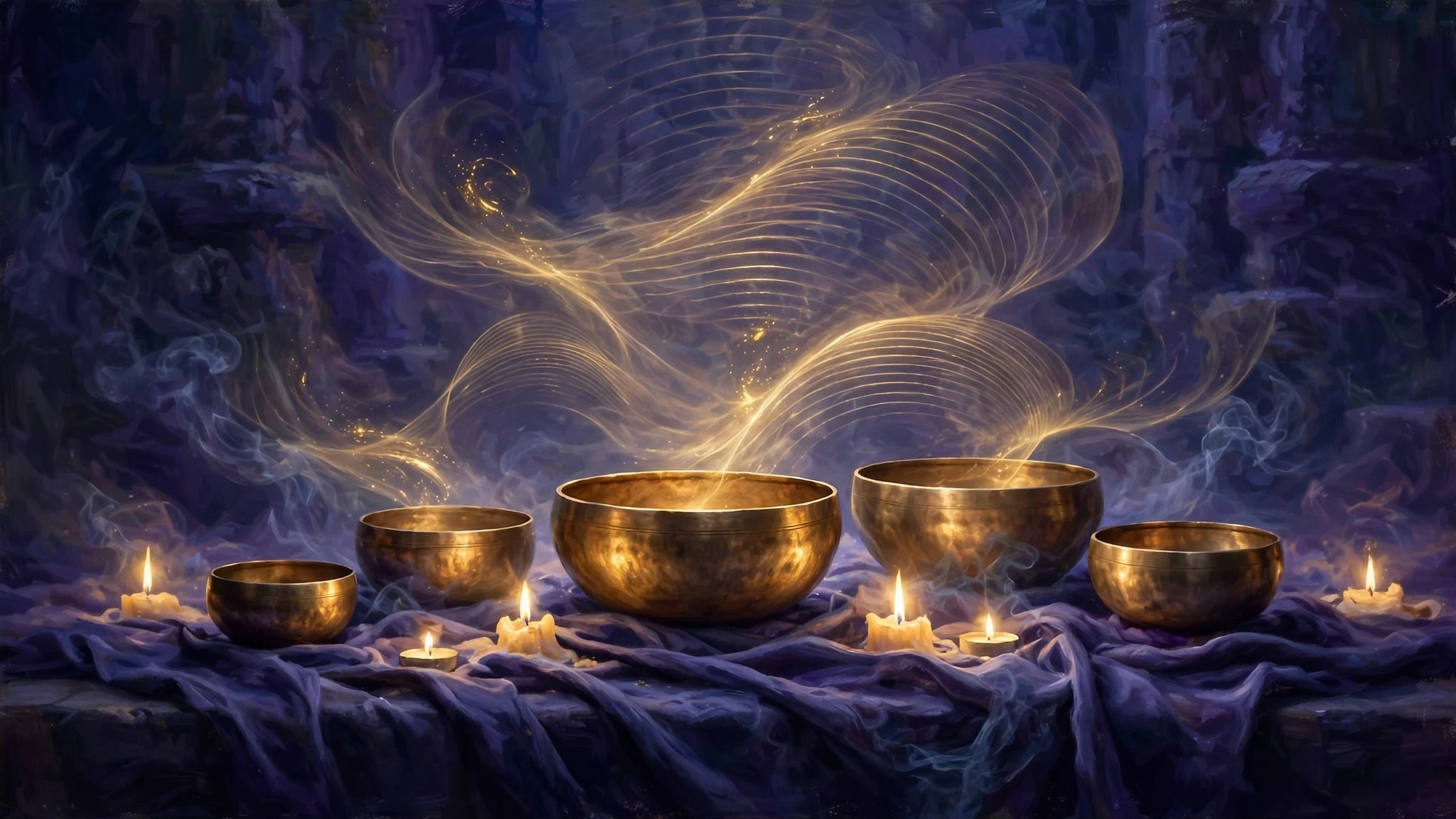
What Is Sound Healing and How a Session Works
If you have ever felt your chest loosen when a choir note rings out, or felt calmer after listening to rain on a roof, you already understand the basic idea behind sound healing. The question what is sound healing has a simple answer. It is the use of sound, usually from singing bowls, gongs, tuning forks, chimes, drums, or the human voice, as a focus for relaxation, attention, and reflection. A practitioner plays the instruments while you lie down or sit quietly and listen. There is no talking, no advice, and no physical contact in most sessions. The sound does the work of holding your attention while your breathing slows and your body settles.
Sound healing is not a medical treatment. It does not diagnose illness, replace therapy, or cure disease. What it can offer, for many people, is a structured hour of deep rest, which is something modern life rarely provides. This page explains the history, the instruments, what a session actually involves, how to try it safely at home, and where the honest limits sit. If you go in with clear expectations, you are far more likely to get something real out of it.
A Short History: From Ancient Music to Modern Sound Baths
People have used sound in ritual and healing contexts for thousands of years, and the history is worth knowing because it keeps the modern practice honest. The Greek thinker Pythagoras, who lived in the sixth century BCE, taught that music and number were closely connected, and his followers used music as part of their daily discipline. In India, chanting and mantra have been part of spiritual practice for well over two thousand years, with sound treated as a way to focus the mind. Tibetan singing bowls, the metal bowls most people picture, are associated with Himalayan Buddhist practice, although scholars note that their use as a meditation aid in the West is a more recent development than many sellers claim. The bowls themselves were traditionally made for other purposes, including food and ritual offerings, and the modern sound bath grew out of their adoption by Western practitioners in the twentieth century.
The modern sound bath took its current shape in the late twentieth century, when practitioners in California and elsewhere began combining gongs, crystal bowls, and chimes into group sessions where listeners lay on the floor. Crystal singing bowls, made from quartz, became popular in the 1980s and 1990s as an alternative to metal bowls, with a clearer, longer ring. Today you will find sound baths in yoga studios, wellness centers, churches, and parks, and you will also find recordings and apps that bring the same sounds home. The practice has changed a lot from its roots, and a good practitioner will say so plainly instead of claiming an unbroken ancient lineage for every instrument on the table.
The Main Instruments and What Each One Does
A sound healing session usually uses four or five instruments, and each one has a different character. Metal singing bowls, often called Tibetan bowls, are played by striking them or running a mallet around the rim. They produce a warm, layered tone that can last for a minute or more. Crystal singing bowls are played the same way and give a purer, higher tone that many people find easier to follow with their attention. Gongs are large, flat discs of metal that produce a deep wash of sound when struck, and they are often used to open or close a session because their sound fills a room completely.
Tuning forks are smaller and more focused. A practitioner strikes a fork and holds it near the body, often near the ears or above a particular area, so you hear a single clear note. Chimes and bells add bright, short notes that mark transitions in the session. Drums, especially frame drums, give a slow steady beat that many people find grounding, because the rhythm is easy to follow with breathing. The voice is the oldest instrument of all. Humming, chanting a single vowel, or toning on one note can be done by the practitioner or by the group, and it has one advantage no bowl can match, it comes from inside your own body, so you feel the vibration as well as hear it.
What Happens in a Sound Bath, Step by Step
A typical group sound bath lasts 45 to 75 minutes. You arrive, take off your shoes, and lie on a mat with a blanket and a small pillow. The practitioner welcomes the group, explains what will happen, and invites you to set a quiet intention, such as rest, or letting go of a busy week. Then the room goes quiet for a minute. The practitioner starts with soft, slow sounds, often a single bowl, and builds gradually. The middle of the session is the fullest part, with gongs and several bowls playing together. The last ten minutes wind down to single notes and silence, and the practitioner lets the silence sit before speaking softly to bring the group back.
You do not need to do anything during the session except listen and breathe. Some people fall asleep, and that is fine. Some people feel tingling in their hands, or warmth in their chest, or tears they did not expect. Those responses are common and usually pass quickly. If a sound feels too loud or uncomfortable, you can cover your ears, sit up, or step out of the room. A responsible practitioner will say this at the start. After the session, drink water, move slowly, and give yourself a few quiet minutes before driving or making decisions. Many people report feeling calm and a little dreamy for an hour afterward, which is a good reason not to schedule anything demanding right after.
How Sound Affects the Body: What Is Known and What Is Not
Sound affects the body through hearing, vibration, and attention, and it helps to separate those three. Hearing is the obvious one. Slow, steady sounds give the brain something simple to follow, which makes it easier to stop rehearsing worries. Vibration is the physical part. Low sounds from a gong or a large bowl can be felt in the chest and stomach, and that physical sensation anchors attention in the present moment. Attention is the quiet engine. When you listen closely to a fading note, you are practicing sustained focus, which is the same skill trained in meditation for beginners and in what is mindfulness.
What is not established is any claim that specific frequencies heal specific organs, clear specific energy centers, or cure named illnesses. You will see numbers like 432 hertz or 528 hertz attached to bold claims online. Those numbers describe the tuning of an instrument, not a proven medical effect, and no reliable study has shown that one tuning heals better than another. The honest account is simpler. Sound healing helps many people relax deeply, and deep relaxation is valuable in itself. It lowers the feeling of stress for a while, it can improve sleep that night, and it can leave you clearer headed. Those are real benefits, and they do not need exaggerated claims to matter.
Trying Sound Healing at Home: A Safe 20 Minute Practice
You do not need expensive instruments to try the basics at home. Pick a quiet room and a time when you will not be interrupted. Sit or lie down comfortably, with a blanket if you like. Start with three slow breaths, in through the nose and out through the mouth. Then play a single bowl recording, a chime, or simply hum one low note for five minutes. Let the sound fade completely before you make the next one. The gap between sounds is part of the practice, because it trains you to listen to silence as well as sound.
If you buy a bowl, start with one medium sized metal bowl and a wooden mallet, and learn to strike it gently before you learn to circle the rim. Keep the volume moderate, especially if you use headphones, and keep sessions to 20 minutes at first. Do not use sound healing as a replacement for medical care, and do not drive right after a deep session if you feel drowsy. People with epilepsy, serious mental health conditions, or sensitivity to loud sound should check with their doctor first, and pregnant people should ask their clinician before attending a loud gong session. A home practice is a complement to ordinary care, not a substitute for it. Pairing it with grounding techniques after the session, like standing outside or holding a warm drink, helps you return to normal alertness gently.
Choosing a Practitioner and a Session You Can Trust
A good sound healing practitioner is easy to recognize. They explain what will happen before the session starts. They tell you that you can leave or adjust the volume at any time. They do not promise to cure anything, they do not diagnose you, and they do not claim that a bowl can replace medicine. They keep the room safe, the volume reasonable, and the session on time. They welcome questions afterward, and they are honest about their training, whether it is a weekend course or years of study. Ask how long they have practiced, what instruments they use, and what a first session looks like. Clear answers are a good sign. Vague promises and pressure to buy a package of sessions are not.
Price varies by city and setting. Group sessions often cost about the same as a yoga class, while private sessions cost more because the practitioner works with you alone. Try a group session first. It is cheaper, it lets you learn whether you enjoy the sounds, and it gives you a sense of the practitioner before you commit to anything longer. If you enjoy it, a regular monthly session can become a steady part of your routine, like a walk or a quiet evening. If you do not enjoy it, that is useful information too. Sound healing suits people who like listening and stillness. It is not for everyone, and there is nothing wrong with preferring a walk, a swim, or a talk with a friend instead.
Some practitioners link sound to the chakra system, and if that language interests you, our page on what are chakras explains the seven centers in plain terms. Others frame sound work as energy work, in which case what is reiki is a useful comparison, since both practices are about quiet attention rather than medical treatment. And if this practice stirs bigger questions about your inner life, spiritual awakening signs can help you place those experiences in context.
If you would like to talk through what came up during a sound session, a reader can help you reflect on it. First 3 minutes FREE — every time, for every reading, with all advisors.
For a simple next step, try a One-Card Tarot reading and reflect on the image it gives you after your listening practice.
Frequently Asked Questions
What is sound healing in simple terms?
Sound healing is the use of instruments like singing bowls, gongs, tuning forks, and voice as a focus for relaxation and attention. You lie down and listen while a practitioner plays, and the steady sounds help your breathing slow and your mind settle. It is a relaxation and reflection practice, not a medical treatment.
Does sound healing actually work?
It works as a relaxation practice for many people, in the sense that listeners often feel calmer, sleep better that night, and think more clearly afterward. There is no reliable evidence that specific frequencies cure illness or heal specific organs. The honest benefit is deep rest and focused attention, which are valuable on their own.
What should I bring to a sound bath?
Bring a yoga mat if the venue asks for one, a blanket, a small pillow, water, and warm socks. Wear comfortable clothes you can lie in for an hour. Leave your phone on silent or off, and arrive a few minutes early so you can settle before the sounds begin.
Is sound healing safe for everyone?
It is gentle for most people, but loud gong sessions can be uncomfortable for people with epilepsy, serious mental health conditions, or sound sensitivity, and pregnant people should check with their clinician first. Tell the practitioner about any concern before the session, keep the volume comfortable, and step out if you feel unwell.
Can I do sound healing at home without instruments?
Yes. Humming one low note for five minutes, listening to a single bowl recording, or sitting quietly after a chime are all real starting points. Keep sessions to about 20 minutes, keep the volume moderate, and use the silence between sounds as part of the practice. One bowl and a mallet is enough if you later want a physical instrument.
Last updated: November 11, 2026
