
What Is Chemistry in a Relationship and How It Feels
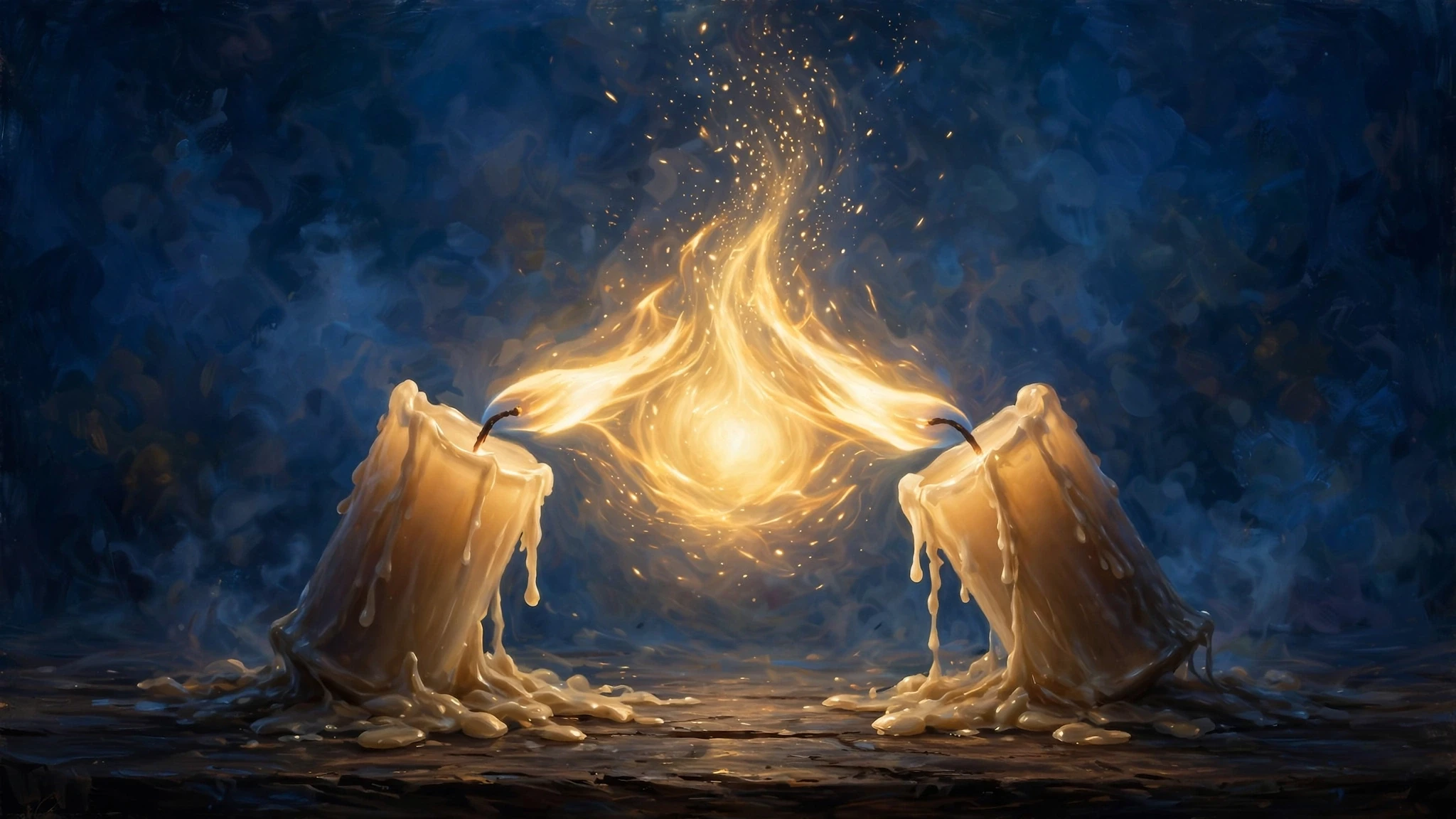
What Is Chemistry in a Relationship? The Spark, Explained
What is chemistry in a relationship? Most people know it the moment they feel it, and struggle to describe it the moment they try. Chemistry is that pull toward another person that feels bigger than a simple decision. Conversation flows easily. Time passes quickly. You notice small details about them, the way they laugh, the way they move their hands when they talk, and those details stay with you after you part. Your body feels alert and alive around them in a way it does not around other people. This page explains what that feeling actually is, what creates it, how to tell it apart from infatuation, and whether it can grow when it is not there at the start.
Chemistry is not one thing. It is a mix of several things happening at once: physical attraction, emotional ease, shared humor, similar values, and a sense of being understood. Any one of these alone can be pleasant. Together, they create a feeling that is hard to ignore and easy to mistake for destiny. That is why chemistry feels so powerful. It is not a single signal. It is a whole set of signals arriving together, and your brain reads the combination as this person matters.
It helps to remember that chemistry is a feeling, not a fact. It tells you that you are drawn to someone. It does not tell you that the person is good for you, that the relationship will last, or that you share a future. Many people have felt strong chemistry with someone who turned out to be wrong for them, and many have felt only mild chemistry at first with someone who became a wonderful partner. Chemistry is real information, but it is only one piece of information, and a wise person reads it alongside everything else they know about the person.
What Creates Chemistry Between Two People
Physical attraction is usually the first ingredient people notice, but it is not the whole recipe. Attraction is shaped by many small things: a smile, a voice, a way of moving, a sense of style, and the simple fact of being near someone repeatedly. Familiarity plays a real role too. People often feel more drawn to someone they see often, because repeated contact makes a face and a voice feel safe and known. That is one reason chemistry can grow in a workplace, a class, or a friend group, where two people see each other week after week before anything romantic happens.
Emotional ease is the second ingredient, and it may be the most important. Chemistry grows when you can be yourself around someone without editing every word. You can be silly, honest, or quiet, and they respond with warmth instead of judgment. You can disagree about something small without it turning into a fight. You can sit in silence without feeling awkward. That ease is rare, and when you find it, it feels like a spark, because most social situations require a certain amount of performance, and this one does not.
Shared humor is a third ingredient, and it is more powerful than most people realize. Laughing together creates a private world between two people. An inside joke, a shared reference, a moment when you both find the same thing funny while nobody else does: these small moments build a bond that feels special and hard to explain to anyone else. Humor also shows that two people see the world in a similar way, which is a quiet form of compatibility. If you can laugh together easily, you have already found something that many couples search for years to build.
How Chemistry Feels in the Body and the Mind
Chemistry has a physical side that is hard to miss. Your heart beats a little faster when they walk into the room. You feel a flutter in your stomach when they text. You are more aware of your own body, your posture, your smile, your hands. You find yourself thinking about them at odd moments, replaying a conversation, imagining the next time you will see them. You may feel a rush of energy after spending time together, or a warm glow that lasts for hours. These are normal signs of attraction, and they are part of what makes the early stage of a relationship feel so alive.
Mentally, chemistry shows up as focus. You want to know more about this person. You remember small details they mentioned. You find yourself curious about their past, their opinions, their plans. You imagine a future with them, not in a heavy way, but in small, pleasant flashes: a weekend together, a meal you would cook, a trip you might take. That curiosity is a good sign. It means the person interests you as a whole human being, not only as a face or a feeling.
But chemistry can also narrow your vision, and that is the part to watch. When chemistry is strong, it is easy to overlook things you would normally notice: a rude comment, a broken promise, a value you do not share. Your mind fills in the gaps with hope, and the person becomes more wonderful in your imagination than they are in real life. That is not a reason to distrust chemistry. It is a reason to slow down and check what you know, not only what you feel. A useful habit is to ask yourself, after a date, what you actually learned about this person, not only how they made you feel. If the answer is mostly feelings and very few facts, give it more time before you decide anything.
Chemistry, Infatuation, and Love: How to Tell Them Apart
Chemistry, infatuation, and love are often confused, because they can feel similar at the start. Infatuation is chemistry turned up too loud. It is intense, fast, and often focused on an idea of the person rather than the person themselves. You think about them constantly, you feel desperate to see them, and you overlook anything that does not fit the fantasy. Infatuation can feel wonderful, and it can also feel anxious, because it depends on the other person responding in exactly the way you hope. Our page on love versus lust explores one part of this confusion, the line between desire and a deeper bond.
Love is different from both. Love grows more slowly, and it includes things chemistry does not: deep knowledge of the other person, trust built over time, care for their wellbeing even when it costs you something, and a commitment to stay through ordinary and hard days. Chemistry can be the spark that starts love, but it cannot replace the work that love requires. A relationship built only on chemistry will struggle when the spark naturally cools, as it does in every long relationship. A relationship built on chemistry plus respect, honesty, and shared values has something to stand on when the early intensity settles into a steadier warmth.
A practical way to tell them apart is to look at what happens when things go wrong. Infatuation falls apart when the fantasy cracks, because there was nothing underneath it. Chemistry fades or deepens depending on what else is there. Love stays and repairs, because it is built on knowing the real person and choosing them anyway. If you are trying to sort out what you feel, signs you are in love and signs of true love can help you read the deeper signs beyond the spark.
Can Chemistry Grow Over Time?
This is one of the most useful questions in dating, and the answer is yes, often, but not always. Chemistry can grow when two people spend time together, share experiences, and build trust. A person who seemed only mildly attractive at first can become deeply attractive once you know their humor, their kindness, and the way they handle a hard day. This happens often in friendships that turn romantic, and in arranged introductions where the spark is not instant but the respect is real. If you feel comfortable with someone, enjoy their company, and respect who they are, it is worth giving chemistry time to grow, usually over several dates, not just one.
There are limits, though. If you feel no physical attraction at all after several meetings, and the thought of closeness feels wrong rather than simply unfamiliar, that is worth listening to. Attraction is not everything, but it is part of a romantic relationship, and forcing yourself to feel it rarely works. The middle ground is the most common one: a mild spark, a growing comfort, and a curiosity that makes you want to meet again. That is enough to keep going. A spark that grows from a small ember is often steadier than a spark that explodes on the first night and burns out just as fast.
You can also help chemistry grow in a small, honest way. Spend time together doing things that are a little bit new or exciting, a hike, a cooking class, a live show, a walk in a new part of town. Shared novelty gives a relationship energy, and it gives you both stories to share. Be physically warm in small ways that feel natural: a hand on the shoulder, a longer hug when you part, sitting a little closer. And be honest about what you feel. Telling someone you enjoy their company and want to see them again is itself a kind of spark, because it makes the other person feel wanted, and feeling wanted is one of the most attractive feelings there is.
When Strong Chemistry Is a Warning Sign
Strong chemistry is usually a good thing, but there are times when it deserves a second look. If the chemistry is intense but the person is inconsistent, disappearing for days and then returning with grand gestures, the intensity may be part of a cycle that keeps you hooked rather than a sign of a healthy bond. If the chemistry makes you ignore your own boundaries, cancel plans with friends, or excuse behavior you would never accept from anyone else, the spark is doing harm, not good. If you feel anxious most of the time, checking your phone constantly and feeling sick when they do not reply, that is not chemistry alone. That is anxiety, and it deserves attention of its own.
Another warning sign is chemistry that exists only in one setting. If the spark is strong when you are alone together but disappears when you are with friends, at a family event, or dealing with a practical problem, the connection may be narrower than it looks. A real relationship has to work in ordinary life, not only in private moments. Notice how the person treats you when things are boring, stressful, or inconvenient. That is where the truth of a connection shows up, and it matters more than how they make you feel on a perfect evening.
None of this means you should distrust a strong spark. It means you should read it alongside the rest of the evidence. Does this person keep their word? Do they respect your boundaries? Do they make your life better in practical ways, not only in emotional ones? Do you like who you are when you are with them? If the answers are yes, then strong chemistry is a gift, and you should enjoy it fully. If the answers are no, then the chemistry is a warning, and the kindest thing you can do for yourself is to listen to it before you are in too deep. For the wider picture of what makes a connection last, see what is a relationship.
Chemistry is a real and wonderful part of love, but it is not the whole of love. It is the spark, not the fire, and a fire needs more than a spark to keep burning. It needs trust, respect, shared values, and the daily choice to show up for each other. If you have chemistry with someone who also treats you well, enjoy it and build on it. If you have chemistry with someone who does not, trust what you know over what you feel. And if the spark is small but the person is good, give it time, because some of the strongest fires start from the smallest embers. If you would like a reflective look at your own connection, a love psychic reading can offer a fresh perspective, and your first reading begins gently: First 3 minutes FREE — every time, for every reading, with all advisors.
For a simple next step, try a One-Card Tarot reading and reflect on what one card says about the spark between you and the person on your mind.
Frequently Asked Questions
What does chemistry feel like in a relationship?
Chemistry often feels like easy conversation, quick time together, a flutter of excitement when they appear, and a strong curiosity about who they are. Your body feels alert around them, and small details about them stay in your mind after you part.
Can you have chemistry with someone who is wrong for you?
Yes, and it happens often. Chemistry is a feeling of attraction and ease, not a judgment about character or compatibility. Strong chemistry with someone who is inconsistent, disrespectful, or headed in a different direction is a warning to slow down, not a reason to commit faster.
Does chemistry fade in long relationships?
The early intensity usually settles into a steadier warmth, which is normal and healthy. Couples keep chemistry alive with shared novelty, physical affection, honest conversation, and time together that is not only about chores and schedules. A quieter spark is not a dead one.
Can chemistry grow if it is not there on the first date?
It often can, especially when you enjoy the person's company, respect who they are, and feel comfortable around them. Give it a few dates and some shared experiences before deciding. If there is still no attraction at all after several meetings, it is fair to accept that and move on.
Is love at first sight the same as chemistry?
Not quite. Love at first sight is usually instant, intense chemistry plus a strong sense of recognition, while chemistry on its own is the pull and ease you feel with someone. Both are feelings, not proof of a future, and both need time and real knowledge of the person to become love.
Last updated: November 12, 2026
